Best beaches in La Union
La Union is a coastal province on the western side of Luzon, an easy 1-2 day trip from Manila for beaches, sunsets, and a laid-back seaside atmosphere. Here you’ll find both lively stretches with good infrastructure and quieter spots for walks and swimming, and around San Juan there are often waves, which is why the area is especially popular with surfers.
Next, we’ll break down which beaches in La Union are truly worth your time, what each one is best for, how convenient it is to get there, and how many hours to plan for a stop — from a quick visit to half a day. We’ll also cover simple logistics: where it’s best to base yourself, how to get between the beaches, and when in the season the trip will feel most comfortable, so everything stays smooth and unhurried rather than rushed.
Beaches in La Union: what to prioritize first
Best all-around beach:
Urbiztondo Beach (San Juan) — the most convenient and predictable option for a first trip: there’s a wide choice of accommodation and cafés nearby, surf infrastructure is in place, and it’s easy to combine the beach, a walk, and sunset without complicated logistics.
Best white sand:
Bauang Beach (Bauang) — a more “classic” beach with a wide shoreline and light-colored sand; a good pick if you want a calm beach day without being tied to San Juan’s surf area.
Best for swimming from the shore:
Canaoay Beach (San Fernando) — a convenient spot closer to San Fernando’s city infrastructure; it’s often chosen for a short swim and a half-day break, without the need to go to the busiest areas.
Best for snorkeling:
Poro Point (San Fernando) — the appeal here is the rocky sections and the coastal terrain: when the water is calm, there can be something to see underwater, even though it’s not a “reef” kind of place.
Best for sunset:
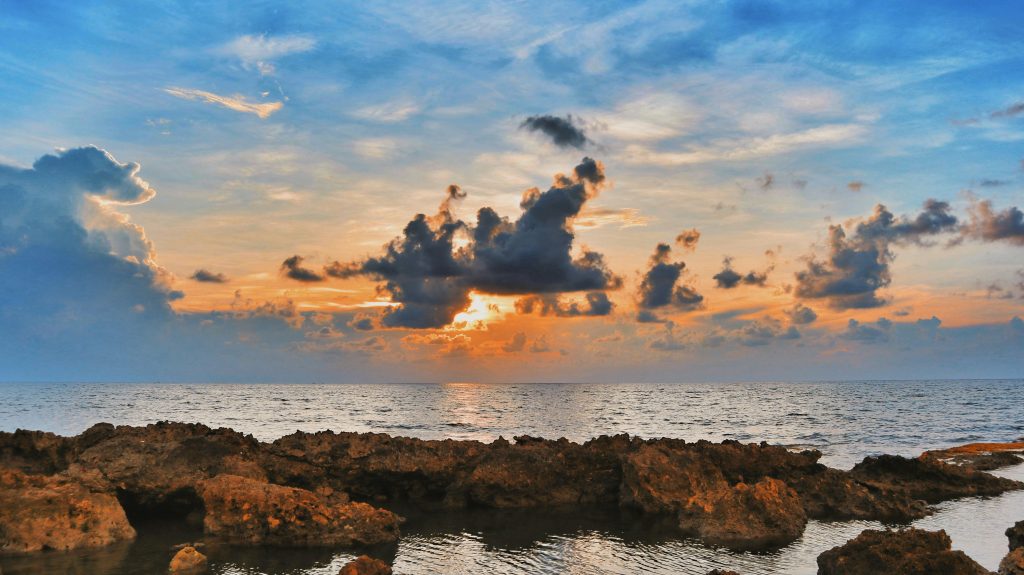
Baluarte Bay (Luna) — a scenic rocky shoreline with open views; people often come here in the evening for the light and photos.
Best option if you only have 1 day:
San Juan (Urbiztondo) + Luna (Baluarte Bay) — a comfortable, infrastructure-friendly beach in the morning, then the northern coastline and sunset in the evening; it feels varied without turning into a rush.
Where to base yourself to visit the beaches:
San Juan — the best base overall for accommodation, food options, and easy day trips both south (Bauang/San Fernando) and north (Luna).
Best beaches in La Union
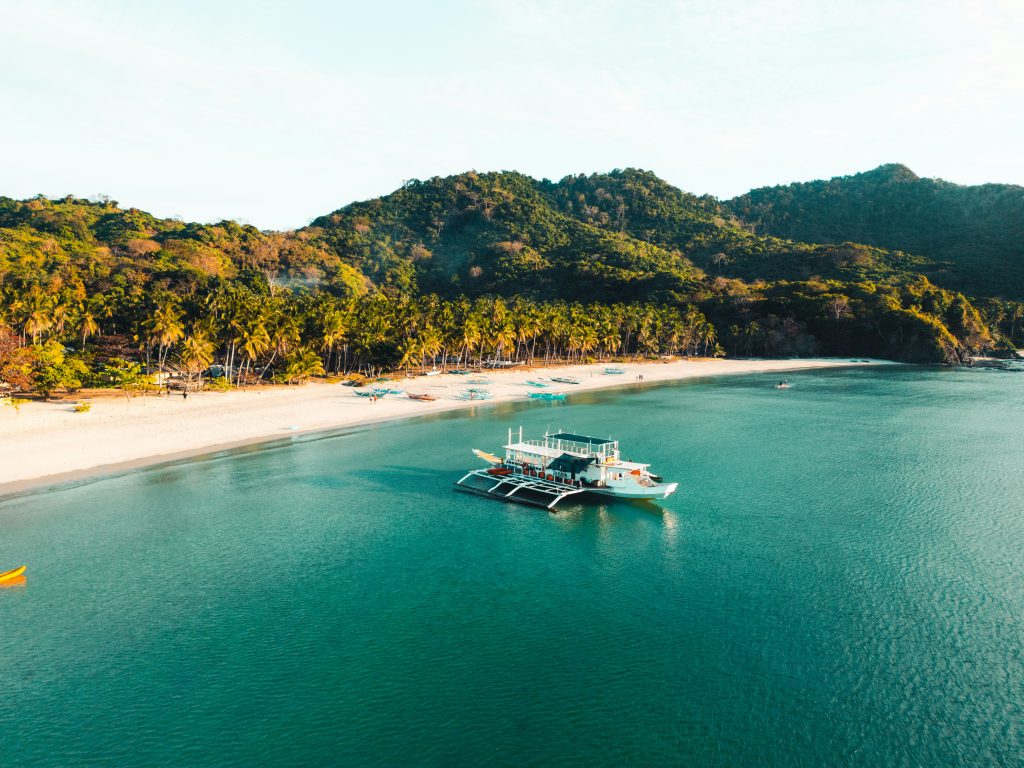
1. San Juan Beach
Location: San Juan
Why go: a good option if Urbiztondo feels too busy: similar logistics and café access, but it often feels calmer.
Sand & water: open shoreline; wave conditions are similar.
Facilities: not consistently “dense,” but services are always nearby — that’s the advantage of San Juan.
How to get there: get to San Juan municipality, then choose a convenient access point.
Time to plan: 1-2 hours or half a day.
Note: weekends are noticeably more crowded.
2. Urbiztondo Beach
Location: San Juan
Why go: the main beach area in San Juan and the most popular base for first-time visitors; this is where the surf scene, cafés, and the liveliest beach infrastructure are concentrated.
Sand & water: open sea; waves are common.
Facilities: the most developed in La Union — surf schools, board rentals, cafés, and accommodation within walking distance.
How to get there: drive along the highway to San Juan, then take a short turnoff to the coast.
Time to plan: 2-3 hours or a full day.
Note: if your goal is primarily swimming, aim for a day without strong surf (waves are not rare in La Union).
3. Taberna Beach
Location: Bauang (Brgy. Taberna)
Why go: a good family-style stop — a beach day without the surf-zone buzz, often with the option to rent a cottage or a picnic spot.
Sand & water: sandy shore; open sea.
Facilities: simple but practical (cottages and snacks on site).
How to get there: follow MacArthur Highway through Bauang, then head to Taberna.
Time to plan: half a day.
Note: especially nice in the late afternoon — many come for sunset.
4. Bacquit Norte Beach
Location: Bauang (Bacquit Norte)
Why go: a less hyped part of Bauang — great for a long walk and an unhurried beach pace.
Sand & water: typical open coast.
Facilities: limited/spotty (mostly resorts and accommodation along the beachfront).
How to get there: drive to Bauang, then head to the coastal area of Bacquit Norte.
Time to plan: 1-2 hours or half a day.
Note: bring water and snacks — services aren’t as concentrated as in San Juan.
5. Pilar Beach (Bauang)
Location: Bauang (Pilar)
Why go: another Bauang option focused on “coast and sea air” — ideal if you simply want space and the ocean, without a specific activity.
Sand & water: open coast; sea conditions depend on wind.
Facilities: local/limited.
How to get there: drive to Bauang, then continue to Pilar.
Time to plan: 1-2 hours.
Note: best in the morning or closer to sunset — more comfortable in the sun.
6. Paringao Beach
Location: Bauang (Paringao)
Why go: a resort-style choice — convenient if you want a straightforward beach day without hopping between spots.
Sand & water: sandy shoreline; open sea.
Facilities: resort-based.
How to get there: Bauang → Paringao (a short turnoff from the highway).
Time to plan: half a day / full day.
Note: shade can be limited — bring sun protection.
7. Bauang Beach
Location: Bauang
Why go: a La Union classic outside San Juan — beach + resorts + relaxed downtime without a surf focus.
Sand & water: open shoreline; locals often mention stronger waves on certain days.
Facilities: well developed along the coast (resorts/cafés).
How to get there: drive along the highway through Bauang.
Time to plan: half a day / full day.
Note: if the sea is active, think of it more as a walk + relaxing by the water, not long swims.
8. Acapulco Beach
Location: San Fernando
Why go: an easy urban coastal stop — simple to add “on the way” without setting aside a full day.
Sand & water: open coast; waves are possible.
Facilities: resort properties / accommodation nearby along the coast.
How to get there: via San Fernando, then toward the beachfront area.
Time to plan: 1-2 hours.
Note: a good spot to catch sunset without extra detours.
9. Darigayos
Location: Luna (Darigayos)
Why go: Luna is known for pebble/rocky shores and a more textured coastline overall.
Sand & water: pebbles/rocks are common, depending on the exact section.
Facilities: limited/spotty (cottages and small places to stay).
How to get there: drive north from San Juan / San Fernando to Luna.
Time to plan: 2-3 hours or half a day.
Note: footwear for stones makes a big difference.
10. Nalvo Pebble Beach (Nalvo Sur)
Location: Luna (Nalvo Sur)
Why go: a signature Luna spot — a pebble beach that feels very different from the sandy stretches; people come for the texture, the sound of the surf, and photos.
Sand & water: pebbles/rocks; entry into the water isn’t the easiest.
Facilities: simple (cottages / small nearby stalls).
How to get there: to Luna, then a local access road to Nalvo Sur.
Time to plan: 1-2 hours.
Note: without water shoes, it gets uncomfortable quickly.
11. Baluarte Watch Tower and the nearby shoreline
Location: Luna (Brgy. Victoria)
Why go: a “history + coast” combo — easy to pair a short walk, sea views, and sunset. The tower dates to the Spanish period and is considered a key coastal landmark.
Sand & water: usually a rocky shoreline.
Facilities: basic tourist services nearby.
How to get there: by car or tricycle from Luna town center.
Time to plan: 1-2 hours.
Note: plan it for evening — that’s when the place looks its best.
12. Baroro Beach (Bacnotan)
Location: Bacnotan (Baroro)
Why go: farther north it becomes noticeably quieter; Bacnotan is often chosen if you want calm and prefer to stay away from the café/surf scene.
Sand & water: open coast.
Facilities: limited/spotty (mostly houses, villas, and small stays).
How to get there: drive north to Bacnotan, then head to Baroro.
Time to plan: half a day / full day.
Note: easy to combine with San Juan: stay quieter in Bacnotan, then drive south for dinner and cafés.
13. Damortis
Location: southern La Union (areas around Agoo / Santo Tomas / Rosario)
Why go: a different kind of coastline — a protected coastal zone with ecosystems (mangroves, seagrass) and patches of black sand.
Sand & water: you can find sections of black sand; open sea.
Facilities: local and scattered by area.
How to get there: drive south from San Fernando along the highway.
Time to plan: 2-4 hours or half a day.
Note: this area is more about space and walking than resort-style services.
Best time for beaches in La Union
For a classic beach trip (walks along the shore, swimming, and smooth logistics without frequent downpours), it’s best to choose the dry season — roughly from November to April. There are more clear days, a lower chance that rain will “eat up” your trip, and it’s easier to plan routes between beaches. The most comfortable weather is usually December to February, while March-April can feel noticeably hotter.
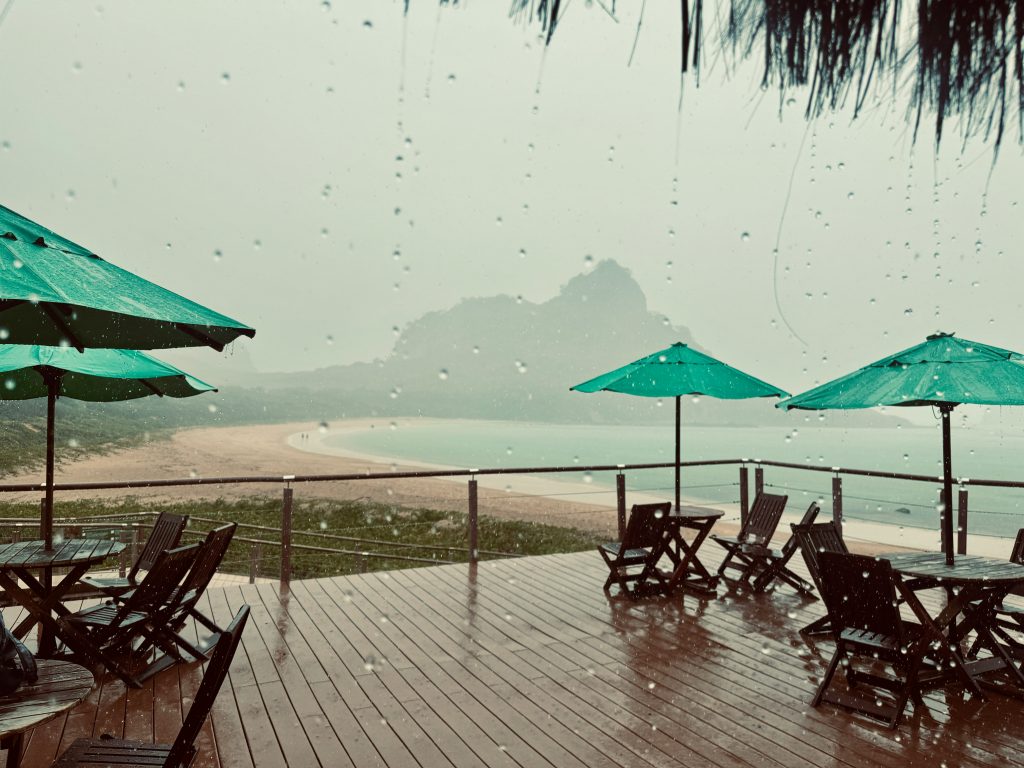
If your goal is waves and surfing (San Juan), the peak also usually falls in the dry season. Waves can still show up in other months, but more often with rain and stronger winds. During the wet season (roughly May/June to September/October), the west side of Luzon tends to get more rainfall and more uneven weather: it can bring good swells for experienced surfers, but for a relaxed beach day and moving between spots, the season is generally less convenient.
How to get there and how to move between beaches

1. Getting into La Union
Most routes go through San Fernando (the province’s transport and administrative hub), then continue along the coastline: north toward San Juan / Bacnotan / Luna, or south toward Bauang / Agoo / Damortis. San Fernando works well as an arrival and transfer point, while San Juan is the most popular beach base.
2. Getting around the province: what’s most practical
Your best transport option depends on how many stops you want to fit into one day.
- Tricycle/taxi or a private transfer by segments — the most convenient choice if you’re planning several stops and want to save time (for example, to catch sunset or cover 3-4 locations).
- Public transport along the highway (jeepneys/buses for short distances) — cheaper, but less predictable in terms of waiting times and stops. Best if your plan is limited to 1-2 beaches and you don’t have a strict schedule.
- Car/scooter rental — the most flexible option for routes with frequent stops and different areas, especially if you want full independence from drivers and timetables.
The main planning rule: La Union is stretched along the coastline, so it’s faster and easier to build your day within one direction rather than constantly going back and forth north-south.
3. Two clear route clusters
Cluster A: San Juan and nearby beaches
Best if you want infrastructure, food options, easy walks, and minimal transfers. You can spend a full day by the sea in San Juan without long rides.
A simple scenario:
- morning on the shore (Urbiztondo or a nearby section) →
- lunch/break in San Juan →
- afternoon by the sea →
- sunset in San Juan.
Cluster B: the northern coast — Luna (optionally Bacnotan)
Best if you’re after a more textured coastline (rocks/pebbles, dramatic views) and an evening trip. Luna is often chosen not for long swimming, but for coastal walks and a sunset stop.
A simple scenario:
- leave San Juan in the first half of the day →
- 1-2 coastal stops in Luna →
- a final point close to sunset (for example, the Baluarte area) →
- return to your base.
4. Do you need to rent a car/scooter?
For a 1-2 day trip with a plan like “San Juan + one side trip,” taxis/tricycles by segments (or a mix with highway transport) are usually enough. Rental makes sense if you want to cover multiple areas in one day, start early, make frequent short stops, and stay fully independent.
Where to stay in La Union
1. San Juan (Urbiztondo area and nearby)
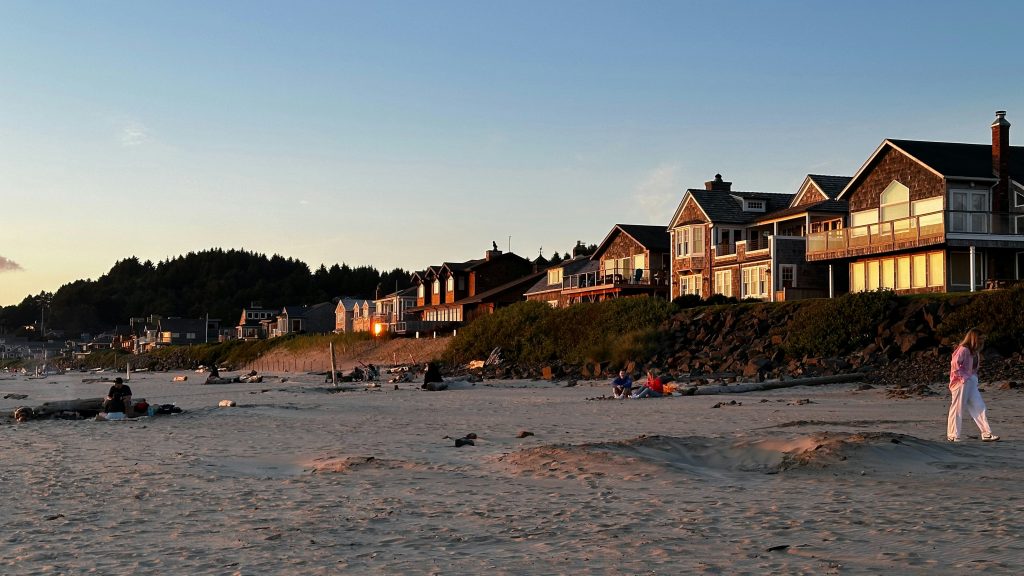
The best choice if you want everything within easy reach: the beach, cafés, evening atmosphere, surf schools, and the widest range of accommodation. Ideal for a first trip and a short weekend getaway when you want simple logistics and minimal commuting.
2. San Fernando
A practical base if transport convenience and a more “city” setup matter more: it’s easy for arrivals/departures, everyday errands are simpler, and the beaches of San Fernando and Bauang are close by. A good fit if you don’t want to stay in the busiest beach district.
3. Bauang
A solid option for a calmer beach rhythm and a resort-style day without a surfing focus: less bustle, and more beachfront resort formats. Works well for families and for travelers who plan to spend more time in one place rather than hopping between many spots.
4. Bacnotan or Luna
Best for those who want quiet and a more natural coastal feel, plus easy access to northern highlights (pebble/rocky shores, viewpoints, sunsets). A good match if your priorities are peace and shoreline walks.
Practical tips
- Check the sea conditions.
Many La Union beaches face open water, so on some days the waves and currents are noticeably stronger — for swimming, stick to shallow areas and enter the water carefully.
- Water shoes or sturdy-soled sandals make a big difference.
In the north (Luna and parts of Bacnotan), rocks and pebbles are common, and without proper footwear a walk quickly becomes uncomfortable.
- The sun “eats up” the day faster than it seems.
SPF, a hat, and a light cover-up really help — especially if you’re doing several stops in a row.
- Small cash saves time.
Parking, small entrance fees, showers/toilets, water, and snacks at local spots are usually easier to pay for in cash.
- Start early if you want it calmer and more comfortable.
Mornings make it easier to find space, popular areas are less crowded, and the heat is easier to handle.
- Build your route in clusters.
One day for San Juan (and nearby), another for the north (Luna), or the southern beaches (Bauang/San Fernando). You’ll waste less time on the road.
- Plan sunset as a separate “anchor” stop.
La Union sunsets are beautiful — but it’s better to pick your spot in advance so you’re not searching at the last minute.
- Bring water and a snack.
On quieter beaches and less touristy stretches, convenient cafés may not be nearby.
- Follow beach rules and take your trash with you.
Some sections are environmentally sensitive (especially natural zones in the south), and rules are taken seriously — pack out all your rubbish.
- If you’re visiting for just one day, don’t overload your list.
It’s better to choose 2 key stops (for example, San Juan + Luna for sunset) than to try to cover the whole region and spend the day exhausted in transit.
Final thoughts
For a first introduction to La Union, three stops are usually enough: San Juan (Urbiztondo) as the most convenient base, one beach in Bauang for a calm seaside break, and a trip to Luna for a more scenic coastline and sunset.
To keep the trip easy, plan it into clear blocks: spend one day in San Juan and the nearby beaches, and dedicate your second day (or an evening side trip) to either the north (Luna) or the south (Bauang/San Fernando). This way you’ll see different sides of La Union without wasting extra time on the road.