Best temples in Japan
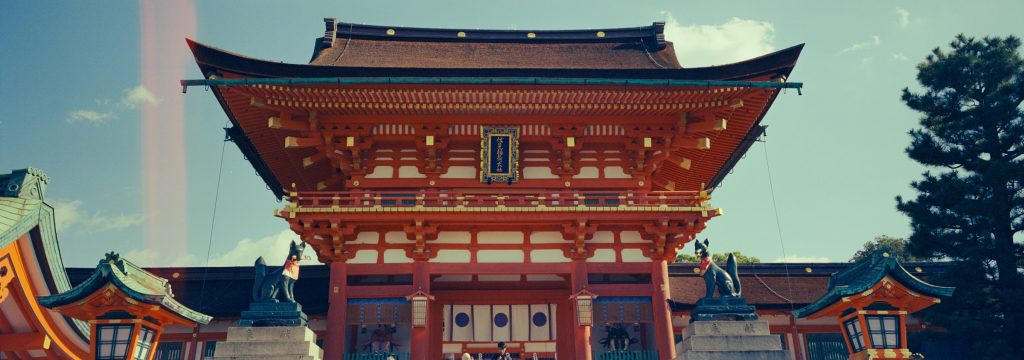
Japan is one of those places where the word “temple” barely explains anything: Shinto shrines (jinja) and Buddhist temples — from warm wooden pagodas to strict stone complexes — feel completely different. And not all the best temples in Japan are equally easy to visit: some famous spots can quickly turn your day into long travel and queues. Next, we’ll break down what’s truly worth seeing in person, how easy it is to reach the key places, and how much time to plan for each visit. We’ll also cover basic etiquette so you don’t end up in an awkward situation.
Quick Picks: Japan’s Most Famous Temples
The most famous in the country
- Fushimi Inari Taisha, Kyoto — “corridors” of thousands of torii gates, the most recognizable image of Japan.
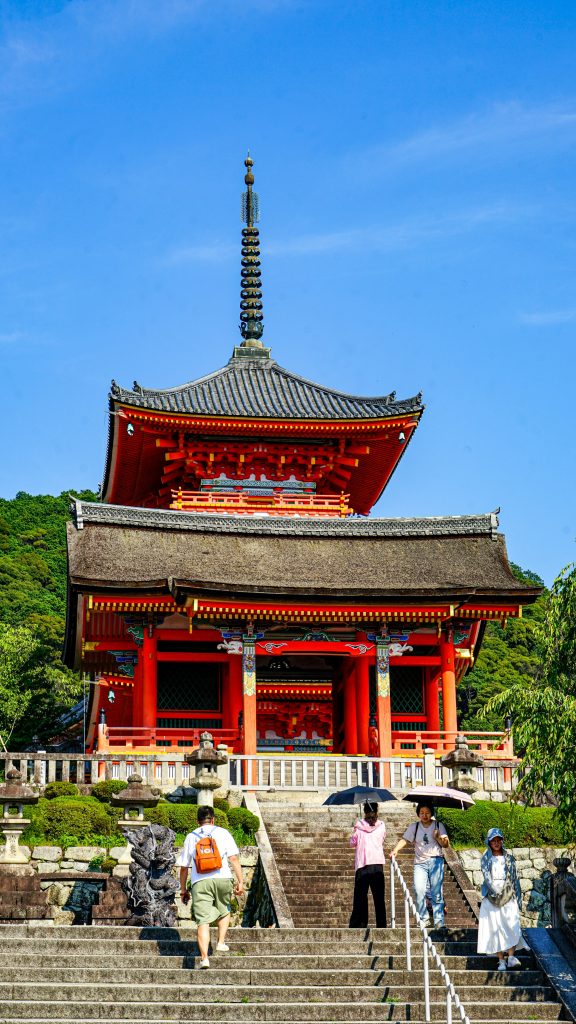
- Kiyomizu-dera, Kyoto — panoramic views and classic hillside temple architecture.
- Sensō-ji, Tokyo (Asakusa) — the capital’s most postcard-famous temple, with a bright old-town vibe.
The most atmospheric
- Arashiyama + Tenryū-ji, Kyoto — calm gardens and that “movie Kyoto” feeling.
- Meiji Jingu, Tokyo — a forest park in the middle of the мегacity, quiet just 10 minutes from the rush.
- Itsukushima Shrine, Miyajima (Hiroshima) — the “floating” shrine by the water, especially beautiful at low tide / sunset.
The oldest
- Hōryū-ji, Nara/Ikaruga — a symbol of early Buddhism and ancient wooden architecture.
- Tōdai-ji, Nara — a heavyweight of Japan’s religious and cultural history + a massive hall.
- Ise Jingū, Mie Prefecture — the country’s главное Shinto shrine (more important for meaning than for photos).
Best if you have little time
Kyoto (perfect for 1-2 days focused on temples):
- Fushimi Inari (morning/evening)
- Kiyomizu-dera (weekday morning)
- Kinkaku-ji or Ryōan-ji (pick one: “wow picture” vs. zen rock garden)
Best in the capital / near the capital
- Sensō-ji (Tokyo) — to feel “classic” temple Japan without extra travel.
- Nikkō Tōshō-gū — the best “one-day trip” from Tokyo for bold architecture and forest paths.
Best “outside the tourist classics”
- Kōya-san (Mount Kōya), Osaka/Wakayama — a temple town and Okunoin Cemetery: a very strong atmosphere, but it usually needs an overnight stay or a long day.
- Eihei-ji, Fukui Prefecture — a serious Zen complex in the mountains, without the “tourist attraction” feel.
How many days you need for temples on a first trip
Minimum: 1-2 days (Kyoto). Comfortable: 3-4 days (Kyoto + Nara/day trips). Ideal: 7-10 days (a classic route across a few regions).
12 Most Famous Temples in Japan
KANSAI: Kyoto (and nearby) — the best region for a first trip
1) Fushimi Inari Taisha (Kyoto)
The main “image of Japan” made of endless torii gates: a Shinto shrine with a mountain trail where it looks great even when the weather isn’t perfect. Located in southern Kyoto (Fushimi area). Easiest to visit independently: convenient city transport, and you can come at sunrise or closer to evening — the place runs on its own rhythm.
- Time to plan: 1-2 hours (short loop) or half a day (going higher up the trails)
- Best time: early weekday morning or evening (fewer tour groups)
- Tickets/donation: usually free; donations are appropriate
2) Kiyomizu-dera (Kyoto)
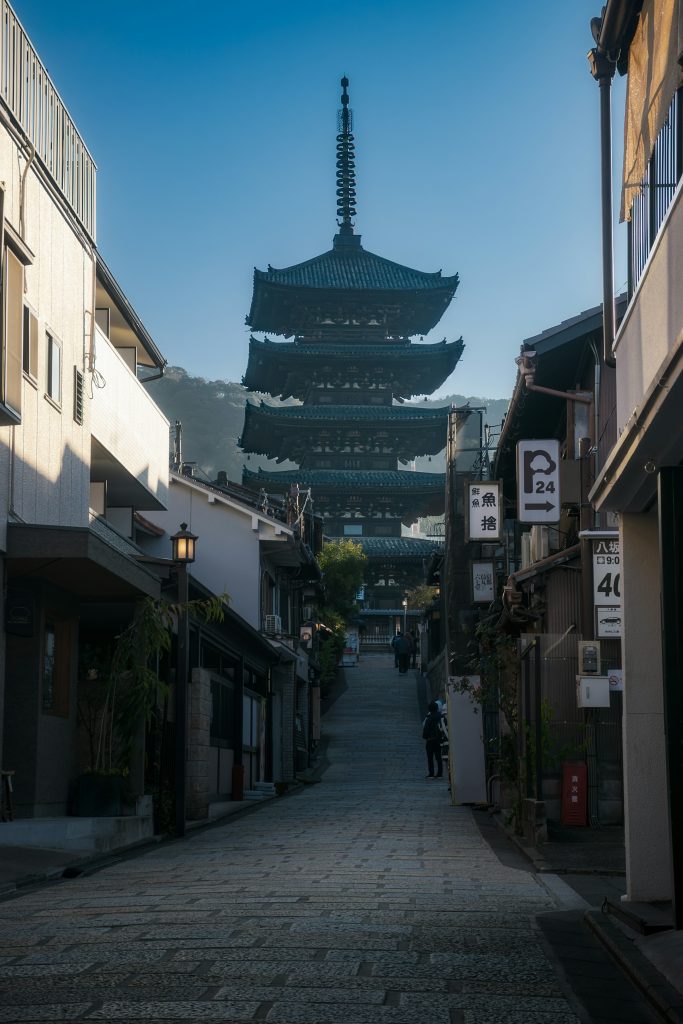
One of Kyoto’s most recognizable Buddhist temples: terraces with city views, and around it — that classic atmosphere of old streets. Kyoto, Higashiyama district. It’s best done independently and combined with a walk through Higashiyama, so the temple doesn’t feel like a “separate point” but a natural part of your route.
- Time to plan: 1-2 hours
- Best time: weekday morning (before the big tour buses)
- Tickets/donation: usually paid entry (some areas may be separate)
3) Tenryū-ji (Tenryū-ji) + Arashiyama (Kyoto)
A strong Zen temple with a garden where silence and composition do the work — and right next to it is Arashiyama, adding nature as a “second layer” of impressions. Kyoto, western side (Arashiyama area). Most people visit on their own: it’s better to set aside half a day and not try to squeeze it in “between other things,” because the area gets crowded fast.
- Time to plan: 1-2 hours for the temple + half a day for Arashiyama (if you add walks around the area)
- Best time: morning (any day) — Arashiyama fills up quickly
- Tickets/donation: usually paid (often the garden/sections are extra)
4) Ryōan-ji (Kyoto)
One of the most famous Zen rock gardens — not really about “getting a pretty photo,” but about a short pause and a different pace. Kyoto, northwest. Makes sense as an independent visit, paired with nearby spots as one route through the northern part of the city.
- Time to plan: 30-60 minutes
- Best time: weekday morning
- Tickets/donation: usually paid
5) Tōdai-ji (Nara)
That true “must-see for scale”: one of the region’s key Buddhist sites, impressive even for people who aren’t that into temples. Nara (an easy day trip from Kyoto or Osaka). The simplest format is independent: the main sights are compact, so the day feels light and doable.
- Time to plan: 1-2 hours (or more if you walk the park and nearby places)
- Best time: morning, ideally weekdays
- Tickets/donation: often paid (by area/complex)
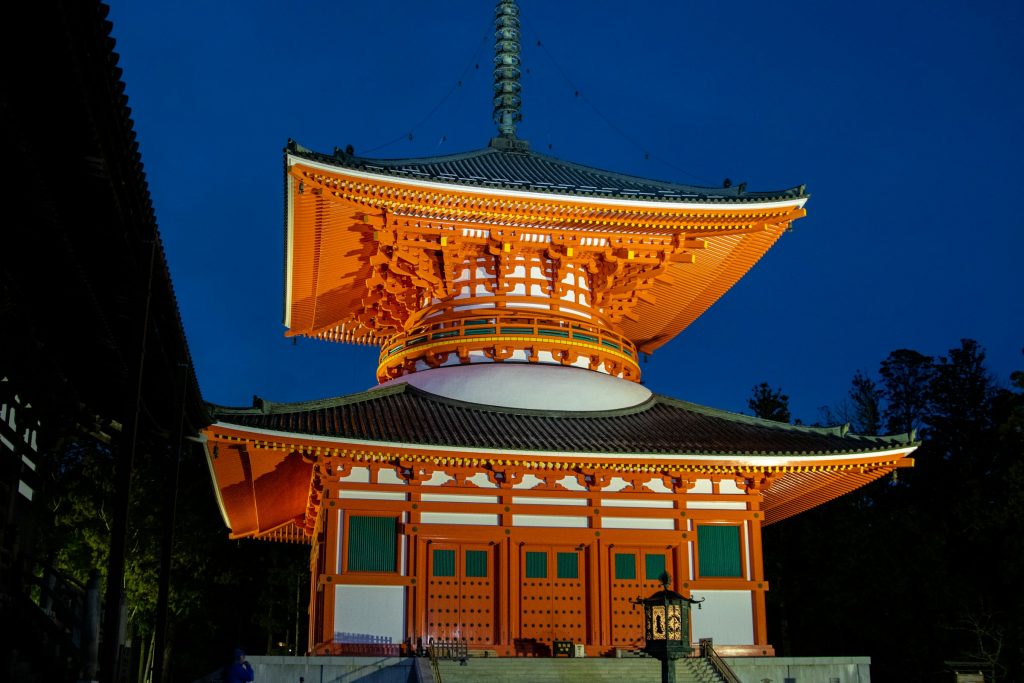
6) Kōyasan (Mount Kōya)
A mountain temple town with a very strong atmosphere: forest, quiet, lanterns, old paths — the kind of place you remember not as a “picture,” but as a feeling. Wakayama Prefecture (usually easiest from Osaka). It’s more realistic to plan it as an independent trip with an overnight stay (or as a very long day), so it doesn’t turn into a rush.
- Time to plan: half a day to 1 full day (best with an overnight)
- Best time: weekdays; in summer it can feel humid, cooler weather is more comfortable
- Tickets/donation: depends on specific sites; often paid entry / donations
KANTO: Tokyo + easy trips nearby
7) Sensō-ji (Asakusa, Tokyo)
The most “classic” temple image of Tokyo, and a perfect entry point if you only have one day in the capital. Tokyo, Asakusa (Taitō City). Best visited independently: it fits easily into an Asakusa walk, with no complicated logistics or transfers.
- Time to plan: 30-60 minutes (or longer if you explore Asakusa)
- Best time: early morning (midday is very crowded)
- Tickets/donation: usually free; donations are appropriate
8) Meiji Jingu (Tokyo)
A rare feeling of forest and quiet in the middle of a megacity — a great contrast to postcard tourist spots. Tokyo, between Harajuku and Yoyogi, near Yoyogi Park. Very easy to do independently: it works as a “reset” between louder neighborhoods.
- Time to plan: 1-2 hours (including a park walk)
- Best time: weekday morning
- Tickets/donation: usually free; donations are appropriate
9) Nikkō Tōshō-gū (Nikkō) — the best day trip from Tokyo
One of the most impressive ensembles for decoration and pure “wow-architecture,” and the mountain forest around it makes it feel like a real trip even if you’re based in Tokyo the whole time. Nikkō, Tochigi Prefecture (the Nikkō shrine area). The realistic format is a day trip from Tokyo: go independently or take a tour if you want it “no-thinking.”
- Time to plan: half a day (minimum) or a full day (if you add walks nearby)
- Best time: weekdays, with an early start
- Tickets/donation: usually paid
CHŪBU / CENTRAL: key places “beyond the three postcards”
10) Ise Jingū (Ise Grand Shrine)
Japan’s key Shinto shrine — more “about meaning and tradition” than about dramatic shots. Mie Prefecture, Ise City, the shrine area around the Isuzu River and forest trails. It’s convenient to visit independently: either as a dedicated trip or as a smart insert between major cities if your route is wider than Tokyo-Kyoto.
- Time to plan: half a day
- Best time: morning, weekdays
- Tickets/donation: usually free; donations are appropriate
HIROSHIMA / SETO INLAND SEA: the strongest “shrine on the water”
11) Itsukushima Shrine (Miyajima / Itsukushima)
One of Japan’s biggest water-side symbols: the island’s mood and views change with the tide, so the experience depends not only on season, but on timing. Miyajima Island, near Hiroshima, in the coastal shrine zone. Most people do it independently as a day trip from Hiroshima: the logistics are clear, and after that everything works on foot.
- Time to plan: half a day (or a full day if you explore the island)
- Best time: weekday morning; seasonally, avoid the peak days if you want quiet
- Tickets/donation: often paid (by area/complex)
FUKUI: “not for everyone, but it sticks”
12) Eihei-ji (Fukui Prefecture)
A large working Zen monastery complex in the forest: it feels “real,” without a showcase vibe, and gives you a stricter, calmer layer of Japan. Fukui Prefecture, Eiheiji area, in the mountain-forest zone around the monastery. Usually an independent trip, but better planned as a separate outing: transfers can be involved, and this place doesn’t like rushing.
- Time to plan: 1-2 hours or half a day (if you combine with the surroundings)
- Best time: weekdays, morning
- Tickets/donation: usually paid
Temple Routes in Japan
Two first-trip scenarios — designed so you don’t drag a suitcase to a new place every day, but instead travel with clear “bases” and simple day trips.
Option A: 3-4 days (if you’re passing through Japan or staying in one region)
One base + at most one easy day trip. The most convenient choice is Kyoto: Nara is close, and inside Kyoto you can combine temples by neighborhood without stress.
Regions covered: Kansai (Kyoto + Nara)
Order (no strict timetable):
- Kyoto (south + central): Fushimi Inari (Fushimi area) — the “main image” and a start that works at any time of day.
- Kyoto (Higashiyama): Kiyomizu-dera + a walk through the old streets — the more “movie-like” side of Kyoto.
- Kyoto (Arashiyama): Tenryū-ji + the Arashiyama area — temple + nature in one block.
- Day trip to Nara: Tōdai-ji in the Nara Park area — a strong final highlight with easy logistics.
If you need to compress it to 3 days: keep Nara as an “if you feel like it” option, and in Kyoto swap Arashiyama for a shorter stop at Ryōan-ji.
How many transfers + where to base yourself:
- Base: Kyoto (all days).
- Transfers: short rides within the city; one day trip to Nara (round trip the same day).
- You don’t waste time changing hotels, and you still get three very different temple “moods” (torii / views / Zen garden / Nara-scale history).
Option B: 7-10 days (the classic first-trip route)
2-3 bases, moving in a clean “arc” without pointless backtracking. This format lets you do Tokyo, Kyoto, and one “special” excursion (Nikkō or Miyajima) and then add one extra choice if you want.
Scenario B1 (the most universal): Tokyo → Kyoto (+ Nara) → Hiroshima/Miyajima
Regions covered: Kantō (Tokyo + Nikkō) → Kansai (Kyoto + Nara) → Hiroshima/Seto Inland Sea (Miyajima)
Order (no strict timetable):
- Tokyo (city shrines/temples):
- Sensō-ji (Asakusa) — the classic old-Tokyo atmosphere.
- Meiji Jingu (Harajuku/Yoyogi) — quiet forest as a strong contrast.
- Day trip from Tokyo:
- Nikkō Tōshō-gū — one day for “wow-architecture” and that mountain-forest feel.
- Move to Kyoto (new base):
- Fushimi Inari (Fushimi)
- Kiyomizu-dera (Higashiyama)
- Tenryū-ji + Arashiyama (Arashiyama)
- Ryōan-ji (northwest Kyoto) — a short “Zen block”
- Day trip from Kyoto:
- Nara: Tōdai-ji (Nara Park) — one day.
- Move to Hiroshima (1-2 nights):
- Miyajima: Itsukushima Shrine — day trip (or stay overnight on the island if you want it calmer).
How many transfers + where to base yourself:
- Bases: Tokyo (3-4 nights) → Kyoto (3-5 nights) → Hiroshima (1-2 nights).
- “Suitcase moves”: 2 big ones (Tokyo → Kyoto, Kyoto → Hiroshima) + your return / flight depending on your route.
- Day trips without changing hotels: Nikkō (from Tokyo), Nara (from Kyoto), Miyajima (from Hiroshima).
Scenario B2 (if you want more “meaning” and less tourist-classic): add Ise or Eihei-ji
Pick one so the route doesn’t turn into a marathon.
Option 1: Ise Jingū (Mie) — the “Shinto center of meaning”
- Best inserted between Tokyo and Kyoto, or as a dedicated outing from Kansai (if you’re comfortable with travel days).
- A different kind of experience: less “photo wow,” more calm, traditional, very Japanese.
Option 2: Eihei-ji (Fukui) — a Zen day trip “for people who want quiet”
- Best as a day trip from Kyoto, if you’re okay with slower, less touristy logistics.
- Works as a clean contrast to the crowded headline spots.
Temple Etiquette in Japan
Japanese temples and shrines are very tourist-friendly, but real religious life still happens there every day. Keep a few simple rules in mind and you won’t look out of place — even at the most famous temples in Japan.
Dress code
- Cover shoulders and knees when you can, especially at Buddhist temples and in areas with prayer halls. In hot weather, a thin shirt or light cover-up helps a lot.
- Shoes: sometimes you must take your shoes off to enter certain halls/rooms (you’ll see shelves or clear signs). Socks are not a small detail.
- Avoid a “beach look”: flip-flops, tank tops, and ultra-short shorts might be allowed, but it can look awkward — especially in places like Ise or Eihei-ji.
How to behave inside
- Quieter is better. It’s not a museum: even if it feels busy, try not to speak over the crowd or have loud conversations.
- Don’t interrupt prayer. If you see people praying, simply walk around them and don’t stand right in front of them with a camera.
- Queues and walking flow: popular sites often have a “stream” of people. If the route is marked one-way, it’s easier to follow it than to try cutting across.
Photo & video: what’s usually okay / not okay
- Outside is almost always fine. Gates, courtyards, paths — usually OK.
- Inside halls it’s often not allowed, or allowed only without flash — follow the signs (they’re usually clear even without knowing Japanese).
- Don’t film people up close without consent, especially during prayer or rituals.
- Drones: a separate story — near temples and in city areas it’s often prohibited by site rules and local regulations, so don’t count on it.
If you’re visiting with kids (short and practical)
- Agree on a “quiet mode” in advance — even just 10-15 minutes inside. Kids do better when there’s a clear time frame.
- Use outdoor breaks: courtyards and trails around temples are a good buffer so a child doesn’t “explode” indoors.
- Watch the steps and stone paths: older complexes often have steep stairs and slippery sections, especially after rain (you’ll feel this right away in Kyoto and Nikkō).
Practical Tips for Visiting Temples in Japan (no “generic advice”)
1) Shinto shrines (jinja) vs Buddhism (o-tera): a small difference that changes how you act
In Japan you’ll constantly alternate between Shinto shrines (jinja) and Buddhist temples (tera/dera) and they have slightly different “rhythms.”
- Shrines (jinja) often have torii gates, a stone water basin for cleansing, omamori charms, and omikuji fortunes.
- Buddhist temples more often feel like “halls/pavilions” with statues, gardens, and sometimes ticketed entry to certain areas.
It’s not an exam — it just helps you understand why in one place everyone goes to the water for a quick cleansing, and in another people calmly move through gardens and halls.
2) Cleansing at the basin (temizuya): how not to get stuck feeling awkward
At many jinja, you’ll see a stone basin before the entrance. If it’s open and in use:
- The idea is simple: clean hands + a symbolic “refresh” of the mouth.
- Keep it neat and quick — no performance, no two-minute blockage. In places like Fushimi Inari, that matters because the flow is huge.
If the basin is closed (it happens sometimes), just walk on. That’s normal.
3) Praying at a shrine: “bow-bow-clap-clap-bow” (and don’t overthink it)
At Shinto shrines you’ll often see the same rhythm:
- a small bow,
- another bow,
- two claps,
- then a final bow.
The main thing: don’t do it right up against other people and don’t block the path. If you’re unsure, stand quietly to the side and don’t get in the way.
4) “No photo” signs indoors — in Japan it’s actually strict
Outside, photography is often fine, but inside halls restrictions are more common than in many countries.
- If you see a ban indoors, don’t try the “quick shot and done.”
- At Nikkō Tōshō-gū and other major complexes this is especially relevant: rules are clear, and staff won’t hesitate to remind you.
5) Goshuin (御朱印): the most “Japanese” thing tourists wish they’d known
If you want a meaningful souvenir — not just a magnet:
- Goshuin is a calligraphy stamp/inscription in a special book (goshuin-chō), made at temples and shrines.
How it works in practice:
- find the window/desk,
- pay a small offering,
- receive your stamp/inscription.
Important: it’s not just a souvenir, it’s part of a religious tradition — so keep it calm, no “faster please.”
6) Omikuji (おみくじ): fortunes — and what to do if you get a “bad” one
This is a common thing in Japan: you draw a paper fortune.
- If it’s negative, people often tie it to special racks/branches on site — leaving the bad luck there.
No need to dramatize it: it’s a normal, calm part of local culture.
7) The most Japanese mistake in Kyoto: trying to “do everything” in one day
Kyoto looks compact on a map, but tourist traffic changes everything.
- A rule that genuinely works: one top temple early + one neighborhood block.
- Don’t combine Arashiyama and Higashiyama in the same day if you care about the experience, not a checklist.
8) Fushimi Inari: don’t get stuck in the first 200 meters
Fushimi Inari has a trap: most people see only the first torii stretch, the crowd, and think “okay, that’s it.”
- Go a bit higher up the trail and the crowd thins out noticeably.
- That’s why morning or evening pays off there more than almost anywhere.
9) Miyajima (Itsukushima): don’t just think “how it looks” — think when it looks
Water timing matters a lot there:
- views and mood change with high/low tide,
- and it’s easy to “overeat” the tourist streets — if you’re staying all day, plan a walk on quieter trails from the start.
10) Kōyasan and Eihei-ji: these places don’t like rushing
This is like switching Japan into a different mode:
- plan for weekdays,
- and don’t arrive “between trains” when you’re already exhausted.
The point is the tempo: arrive, breathe out, walk slowly, sit for a moment and only then move on.
Pick Regions, Not Checklists
If you’re visiting Japan for the first time, don’t try to “tick off” all the best temples in Japan in one route — it quickly turns into transfers, queues, and that constant feeling you’re running late. A better plan is simpler: pick 1-2 regions, choose one base (or two at most), and visit temples in “clusters” by neighborhood. That way you’ll see more than just façades — you’ll actually catch the atmosphere people come for when they visit the most famous temples in Japan.
For most travelers, the easiest starting point is Kyoto: it’s simple to group Fushimi Inari (Fushimi), Kiyomizu-dera (Higashiyama), and Arashiyama with Tenryū-ji into one clean block, and then add Nara with Tōdai-ji as a straightforward day trip. If you’re based in Tokyo, the “city minimum” is Sensō-ji (Asakusa) plus Meiji Jingu (Harajuku/Yoyogi), and for a real change of scenery the best move is a day trip to Nikkō. And if you want a different layer — quieter, slower, more serious — bring in Kōyasan or Eihei-ji, just not in marathon mode.