How to Get Around Sardinia
Sardinia can be explored in many different ways, and the right transport strategy always depends on your route, the season, and your budget. On a map the island may look compact and easy to navigate. In practice, logistics here work differently from mainland Italy. Some areas are well connected, others require planning and flexibility. Trains do not reach most beaches. Buses exist, but they are not frequent everywhere. Distances seem manageable, yet actual travel time is often longer than expected.
If you are planning a trip and researching how to get around Sardinia, the most important step is to align your transport choice with your itinerary. The best way to get around Sardinia is not universal. It changes depending on whether your focus is beach hopping, cultural city travel, mountain hiking, or a full island road trip.
Geography and Distances: Why Logistics Work the Way They Do
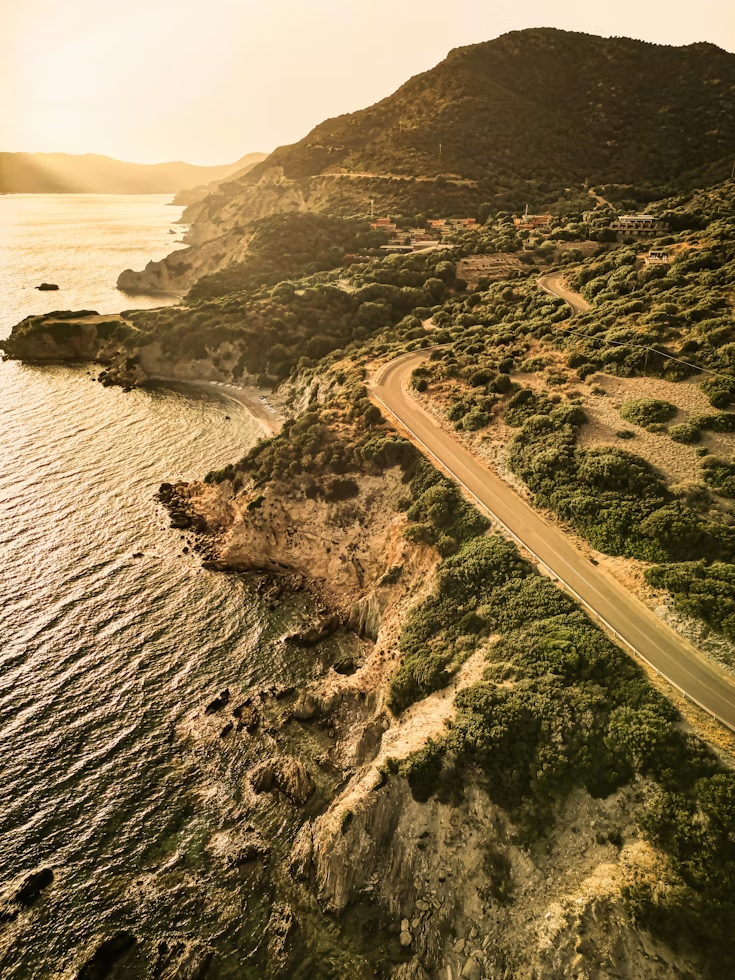
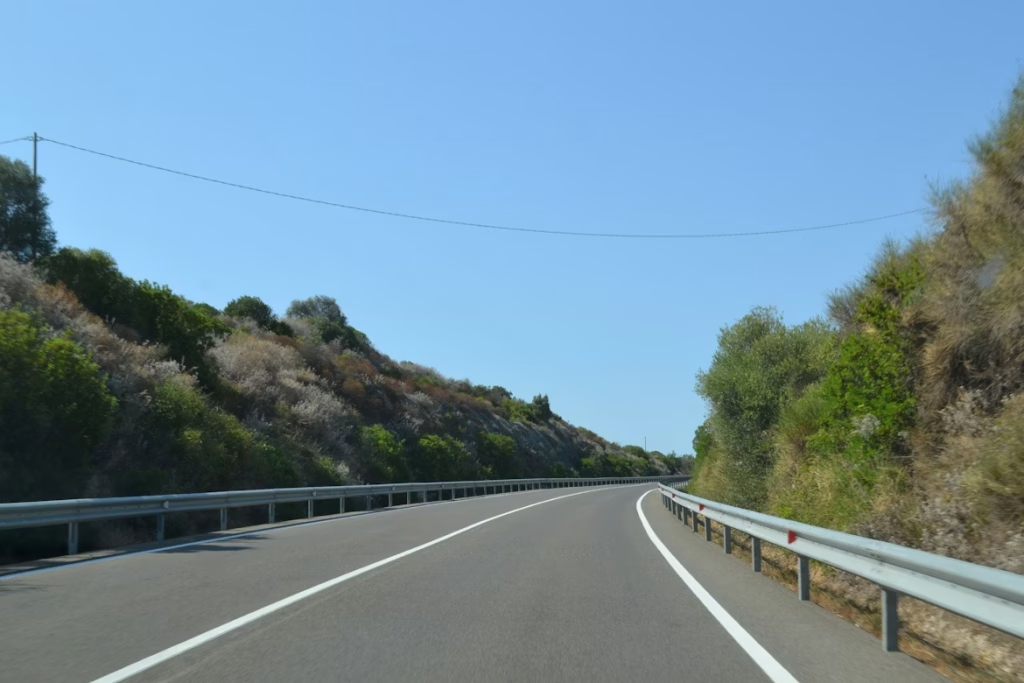
Sardinia stretches about 270 kilometers north to south and roughly 145 kilometers at its widest point east to west. While this may seem compact on a map, terrain makes distances feel longer than expected. The interior is mountainous, particularly around the Gennargentu range, and coastal roads wind along cliffs rather than running straight. Even major highways eventually narrow when approaching beaches or villages, reducing average travel speeds.
The main fast road, SS131, connects Cagliari, Oristano, Sassari, and Porto Torres, allowing efficient north-south travel. Outside this corridor, driving becomes slower and more scenic. Rail lines follow economic routes rather than tourist coastlines, so many famous beaches are far from stations, and public transport frequency varies by season and day of the week.
There is one key logistical nuance that defines getting around Sardinia:
- Distances look short on maps, but real travel time is longer.
- Public transport becomes limited outside major cities.
- Sunday schedules are reduced.
- Winter service frequency drops significantly.
Understanding these structural realities helps you build a realistic plan instead of overloading your itinerary.
Comparison of Transport Options
Before choosing how to move across the island, it is important to understand what each transport option actually offers. Sardinia does not require a single solution. It requires matching the method to your travel style and route design.
Flights Within Sardinia
The island has three main airports: Cagliari in the south, Olbia in the northeast, and Alghero in the northwest. During high season, all three have strong connections to mainland Italy and several European destinations.
Flights are ideal for selecting your starting point strategically. For example, landing in Olbia places you close to Costa Smeralda, while arriving in Cagliari makes sense for exploring the south.
However, flights do not function as internal transport. There are no practical domestic routes connecting these cities for tourism purposes. Once you land, movement happens by land or sea.
Flights are suitable for:
- Choosing arrival and departure regions wisely.
- Structuring open-jaw itineraries without backtracking.
They solve entry logistics, not internal mobility.
Trains
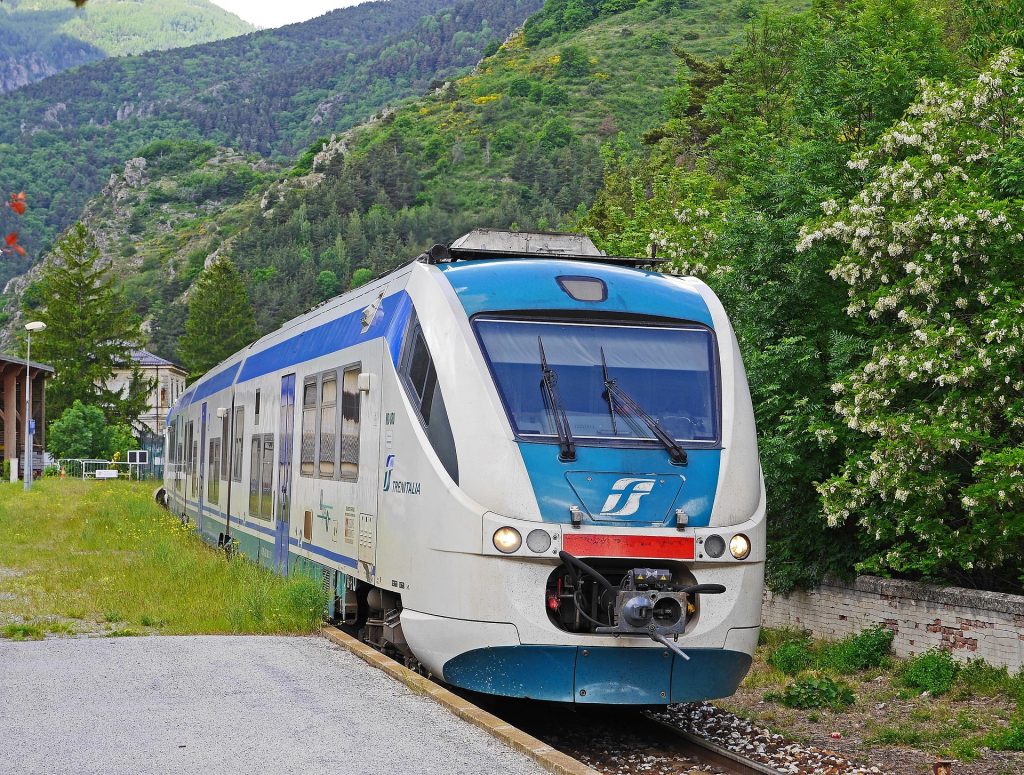
Rail travel in Sardinia is operated mainly by Trenitalia. The primary railway axis connects Cagliari, Oristano, Sassari, and Olbia. If your itinerary follows this north-south corridor, trains are comfortable and reasonably priced.
Typical travel times include:
- Cagliari to Oristano: about 1 hour
- Cagliari to Sassari: approximately 3 to 3.5 hours
- Cagliari to Olbia: around 3 hours
Trains work well for city-to-city travel and cultural itineraries focused on historic centers. They are reliable and affordable.
Their limitations are geographical. The network does not extend to most coastal areas. Beach access usually requires additional bus connections or taxis from the nearest station.
Trains are best suited when:
- Your trip centers on urban areas.
- You prefer slower, structured movement.
- You do not need daily access to remote beaches.
Intercity Buses
Regional buses, operated mainly by ARST, extend beyond railway lines and connect smaller towns and inland villages. They provide essential coverage in areas without train stations.
In practice, buses are realistic when you have flexibility. Travel time can be significantly longer compared to driving because of intermediate stops and route design. Frequency varies by season, and Sunday services are typically lighter.
Buses are suitable for:
- Budget travelers.
- Reaching rural towns not served by rail.
- Slow-paced itineraries.
Always check return schedules before departure, especially if connections are limited.
Rental Car
For many visitors, renting a car changes the entire structure of the trip. Sardinia’s beaches, scenic viewpoints, and archaeological sites are widely dispersed and rarely aligned with public transport schedules.
A rental car becomes particularly valuable when:
- Exploring the northeast coast and Costa Smeralda.
- Visiting Cala Gonone and the Gulf of Orosei.
- Staying in agriturismo or countryside accommodation.
- Planning multi-base itineraries across the island.
The advantages are flexibility and time efficiency. The main drawbacks are peak-season price increases and the need to manage parking, especially in historic centers.
For beach-focused travel or covering large distances, renting a car is often the best way to get around Sardinia.
Taxi and Ride Services
Taxis operate mainly in larger cities such as Cagliari, Olbia, and Alghero. They are easy to use for airport transfers or short urban rides, especially if you arrive late at night or carry heavy luggage. In these situations, a taxi can save time and simplify logistics.
However, taxis are not designed for regional travel. Long-distance rides between cities are expensive, and availability outside urban centers is limited. Ride-hailing apps have a smaller presence compared to mainland Italy and cannot be relied on in rural areas.
Taxis are appropriate when:
- You need a direct airport transfer.
- You want a quick city ride without navigating public transport.
- You are traveling short distances within urban zones.
For broader exploration, they are not a practical solution.
Organized Tours and Transfers
Organized tours are common in Sardinia, especially in coastal areas. Boat excursions along the Gulf of Orosei or day trips to La Maddalena are popular and often the most efficient way to access certain beaches.
These tours can simplify logistics if you are staying in one place and prefer not to drive. They also work well for specific experiences, such as visiting multiple coves in a single day without worrying about parking or road conditions.
They are particularly useful when:
- You do not rent a car.
- Access to certain beaches is easier by sea.
- You prefer structured day activities.
The limitation is flexibility. Departure times are fixed, and the itinerary is predefined. Organized tours are helpful for isolated days rather than for structuring an entire trip.
Ferries and Boats
Ferries play an important role in Sardinian logistics, especially for travelers arriving from mainland Italy. Routes connect Genoa, Livorno, and Civitavecchia with Olbia or Cagliari, and overnight crossings allow passengers to travel with their own vehicle. A shorter internal ferry between Palau and La Maddalena operates frequently and is popular for day trips.
Advance booking is strongly recommended in summer, particularly when traveling with a car, as vehicle spaces sell out first. While ferry schedules are generally reliable, strong winds can cause delays, especially on shorter crossings. If bringing a vehicle, arrive at the port 60-90 minutes before departure and enter accurate vehicle dimensions during booking.
Ferries are most suitable for:
- Long vacations.
- Travelers combining mainland Italy with Sardinia.
- Visitors bringing their own vehicle.
Mountain Areas and Seasonal Considerations
Interior Sardinia offers a very different landscape compared to the coast. The Gennargentu mountains dominate the central region and provide hiking opportunities, scenic drives, and a quieter atmosphere.
Access to mountain areas is primarily by road. Public transport coverage is minimal, and seasonal shuttle services operate only in limited locations.
In summer, high temperatures and limited shade require early starts for hiking. Parking areas near popular trailheads fill quickly. In winter and shoulder seasons, some secondary roads may experience temporary closures or limited services.
When planning travel in mountain regions, always check:
- Weather forecasts.
- Road conditions.
- Seasonal operating hours for visitor facilities.
Movement in the interior is slower but rewarding, and time buffers are essential.
Car Rental: What You Need to Know Before Booking
Deciding whether to rent a car is often the key logistical question when planning how to get around Sardinia. In many cases, it’s less about comfort and more about practicality, since visiting multiple beaches, staying outside town centers, or connecting regions in a short time is far easier with your own vehicle. However, travelers based entirely in Cagliari or Alghero for a short city break can usually rely on public transport and walking.
Driving rules are straightforward: EU licenses are valid, while non-EU visitors may need an International Driving Permit. The minimum rental age is typically 21, with surcharges for drivers under 25, and a credit card in the driver’s name is generally required for the deposit. Most rentals include collision damage coverage with an excess, meaning you pay up to a fixed limit in case of damage, while optional full coverage reduces that excess at a higher daily cost.
Before booking, confirm whether coverage includes:
- Tires.
- Windshield damage.
- Underbody protection.
- Gravel road restrictions.
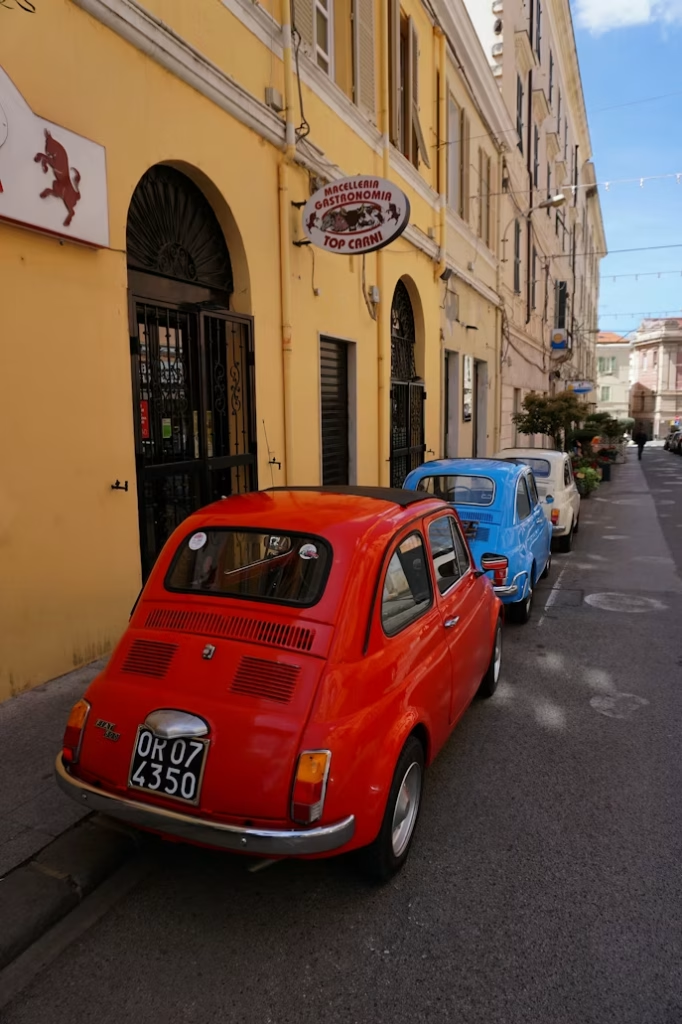
Parking regulations must also be respected. Many historic centers have ZTL zones monitored by cameras. Entering without authorization results in fines. Street parking uses color codes: white for free, blue for paid, yellow for reserved.
There are no toll motorways in Sardinia. The main highways are free, but coastal and mountain roads can be winding.
Public Transport: How to Minimize Problems and Delays
Public transport in Sardinia works well, but only with realistic planning. The main mistake travelers make is expecting the same frequency as mainland Italy. Along the primary railway axis and in larger cities, connections are simple and reliable, but outside these areas schedules are thinner and more seasonal.
Regional trains link the main cities efficiently and remain affordable, with advance booking rarely required, though checking updated timetables is essential due to seasonal changes. Intercity buses reach towns without rail access but operate less frequently, especially outside summer, and in some rural areas follow school-oriented schedules. Urban buses in cities like Cagliari are straightforward to use, with tickets available via apps or tobacco shops, but validation rules should always be confirmed.
To reduce inconvenience:
- Always confirm return schedules before departure.
- Avoid planning tight evening connections.
- Allow extra time on Sundays or public holidays.
- Download offline maps if traveling into rural areas.
Public transport works best when your route is simple and structured. It becomes complicated when you try to combine multiple remote locations in a short period.
Ferries and Booking Strategy
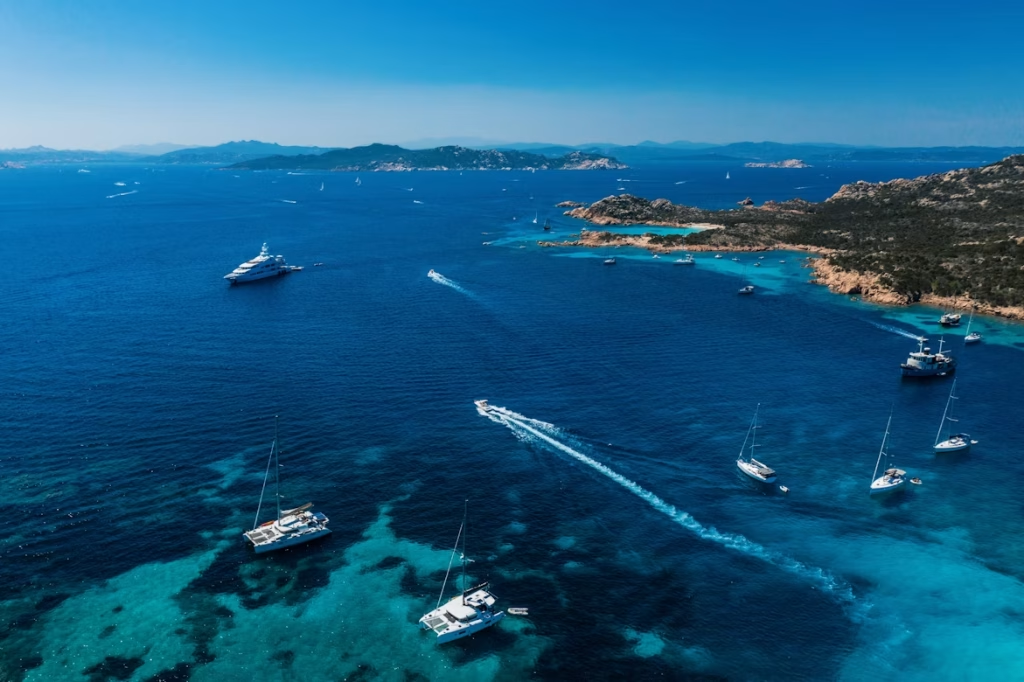
Ferries are more than just arrival transport. They can shape the entire structure of a trip, especially for longer stays.
Mainland connections operate year-round, but frequency increases significantly between June and September. Overnight ferries are common and allow passengers to rest during the crossing. Cabins are optional but strongly recommended for comfort on night routes.
Booking strategy depends on season:
- In high season, reserve vehicle spaces several weeks in advance.
- In shoulder season, flexibility increases, but checking availability early is still wise.
- Midweek departures may be less expensive than weekend crossings.
Wind conditions can affect shorter routes, particularly to smaller islands. While major mainland ferries are generally stable, delays are possible. Building time buffers between ferry arrival and onward travel reduces stress.
If your itinerary includes La Maddalena or boat excursions in the Gulf of Orosei, consider that some coastal areas are easier to access by sea than by land. In these cases, organized boat transport is often more efficient than driving.
Mountain Regions and Seasonality
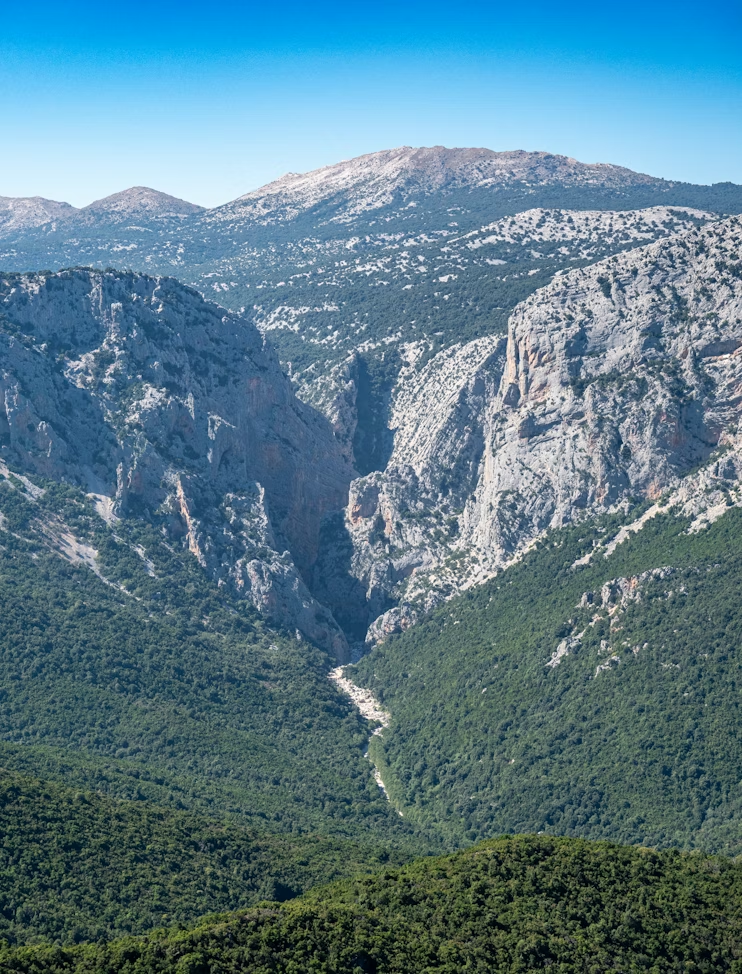
Interior Sardinia feels very different from the coast. The Gennargentu mountains dominate the central region, offering hiking, scenic drives, and quieter villages away from the busiest beaches. Logistics are slower here, as public transport is limited and most access is by road.
In summer, heat and limited shade make early starts essential, and parking near popular trailheads fills quickly. In winter and shoulder seasons, some mountain roads may be affected by weather, and tourist facilities often operate on reduced hours.
Before heading into the interior, always check:
- Weather forecasts
- Road conditions
- Seasonal opening hours for visitor facilities
Mountain travel in Sardinia is rewarding, but it requires extra time buffers and flexible planning.
Example Routes, Travel Time and Budget Logic
Understanding transport options becomes clearer when applied to real scenarios. Below are structured route examples that show how getting around Sardinia works in practice.
Scenario 1: 3-5 Days, No Car, Urban Focus
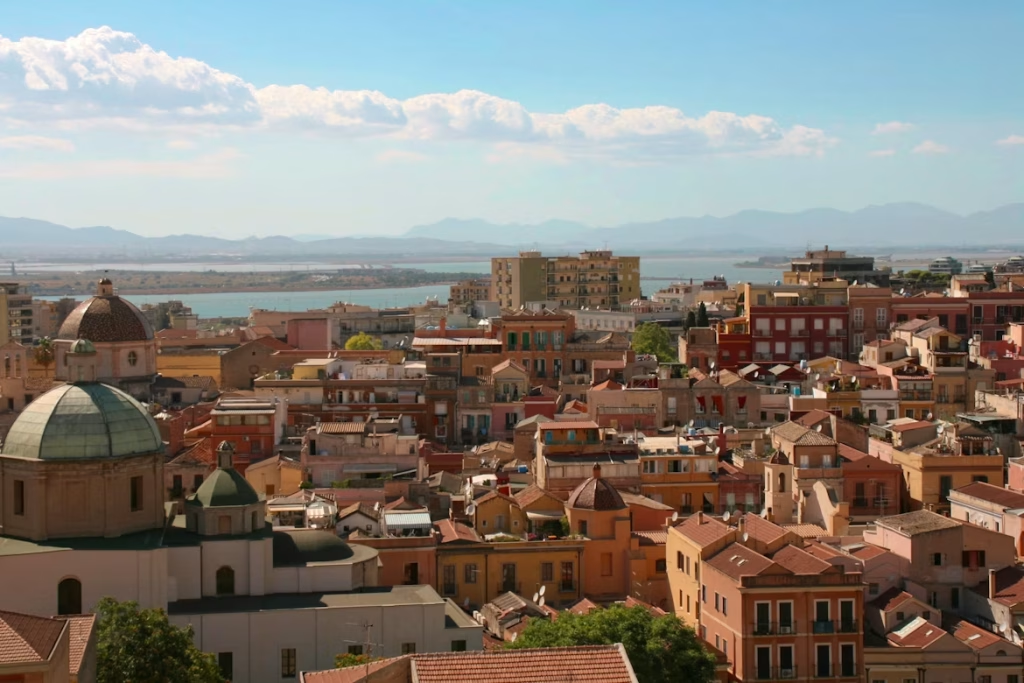
This format suits short trips and travelers who prefer not to drive. Staying in one base — ideally Cagliari — keeps logistics simple: the airport train is direct, the center is walkable, Poetto Beach is reachable by bus, and even Oristano can be visited by train without a car.
Time on the road
- Airport to city center: approx. 6-10 minutes by train
- Bus to Poetto Beach: approx. 20-30 minutes
- Train to Oristano (optional): approx. 50-70 minutes each way
- Total movement across 3-5 days: usually under 2-3 hours combined
You spend more time exploring than transferring.
Approximate transport budget per person
- Airport train (one way): ~1.30 EUR
- Urban bus ticket (90 minutes): ~1.30 EUR
- Regional train return Cagliari-Oristano: ~13-20 EUR
- Estimated total for trip: usually under 30-40 EUR
Here, accommodation will cost far more than transport. This is one of the easiest ways of getting around Sardinia without renting a car.
Scenario 2: 7 Days, Northeast Coast and Gulf of Orosei, With Car
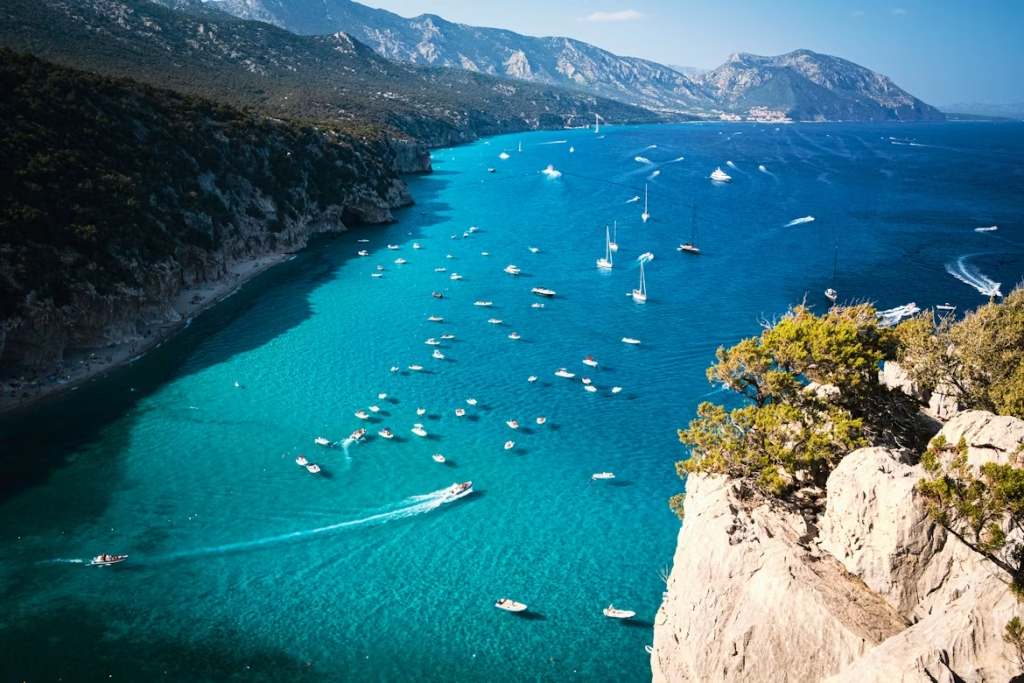
This scenario suits beach-focused travelers seeking variety and flexibility. The most efficient setup is two bases — one near Olbia and one near Cala Gonone — allowing access to different coastal landscapes without long daily drives.
Time on the road
- Daily beach transfers near Olbia: 20-60 minutes
- Drive Olbia → Cala Gonone: approx. 1.5-2.5 hours
- Daily local drives near Cala Gonone: 20-40 minutes
- Total driving during the week: approx. 7-10 hours
Driving remains moderate, but flexibility increases significantly.
Approximate weekly transport budget
- Rental car (compact, high season): ~450-900 EUR
- Fuel for the week: ~100-180 EUR
- Boat excursion in Gulf of Orosei: ~50-90 EUR per person
- Estimated total transport cost (excluding accommodation): ~600-1100 EUR
Booking early and avoiding mid-August can reduce rental costs noticeably. For this type of itinerary, a car is clearly the best way to get around Sardinia.
Scenario 3: 10 Days, North to South Island Loop
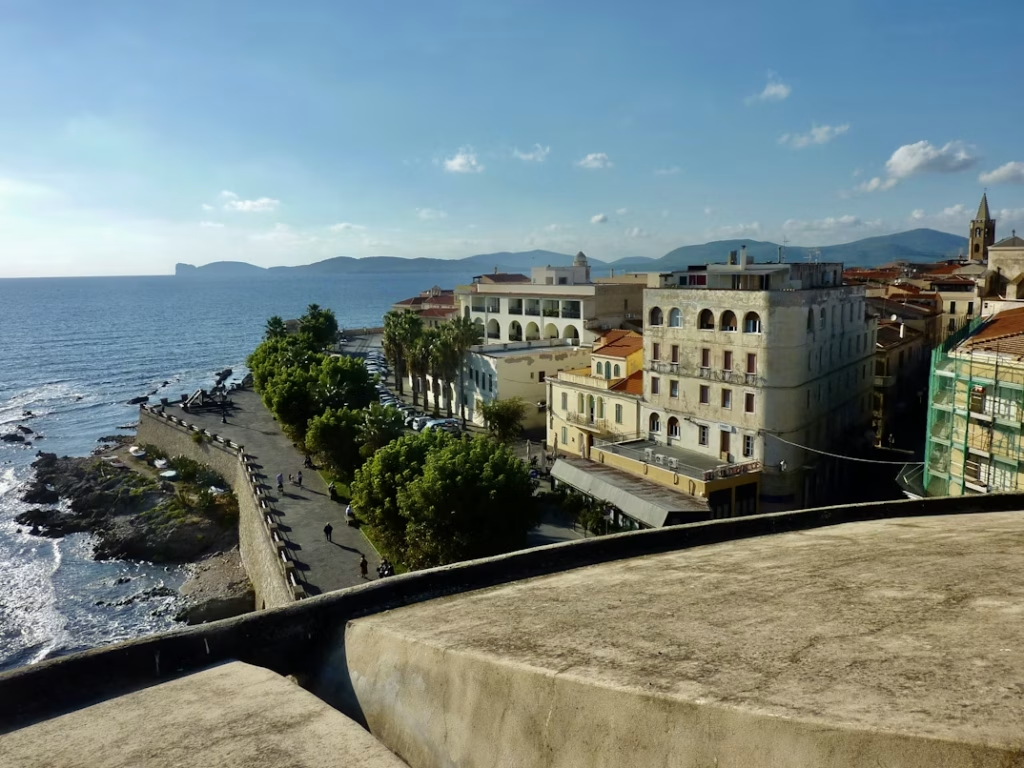
This route suits first-time visitors who want to see different regions and are comfortable with longer drives. A three-base loop — Alghero, the Olbia area, and Cagliari — offers a balanced overview of the island while avoiding backtracking.
Time on the road
- Alghero → Olbia: approx. 2.5-3 hours
- Olbia → Cagliari via SS131: approx. 3-3.5 hours
- Local exploration near each base: 20-60 minutes per day
- Total driving across 10 days: approx. 12-15 hours
Driving time is spread out and manageable when planned carefully.
Approximate transport budget
- Rental car (10 days, high season): ~700-1200 EUR
- Fuel: ~150-250 EUR
- Estimated total transport cost: ~850-1450 EUR
Strategic base selection reduces unnecessary mileage. Longer drives are best scheduled earlier in the day.
Scenario 4: Slow Cultural Route by Train
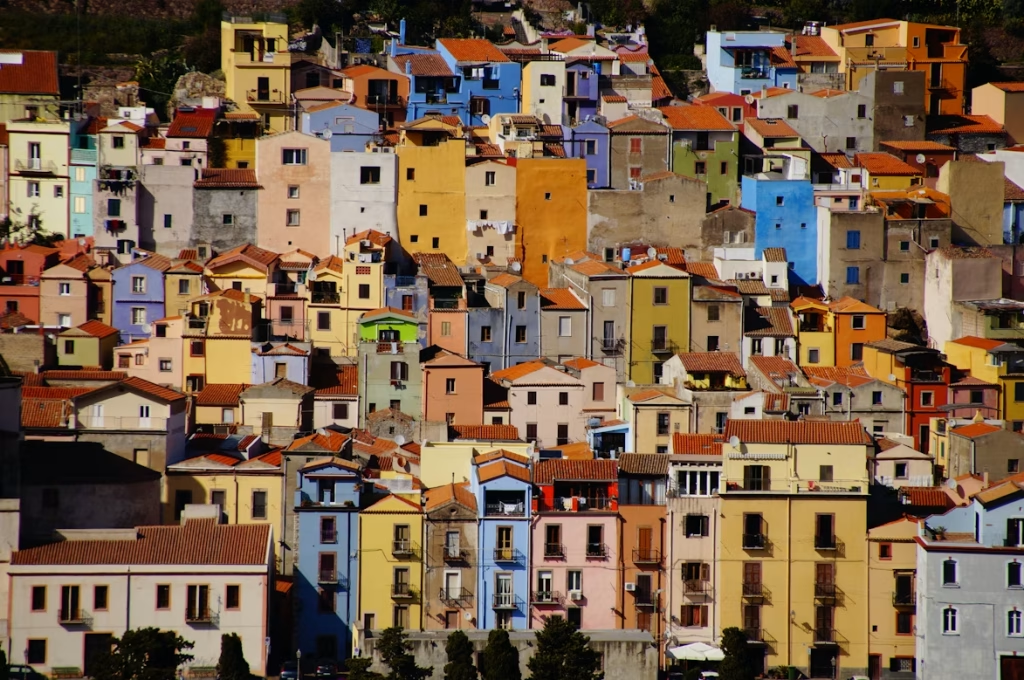
This option suits budget travelers and those who prioritize historic centers over beaches. It offers simplicity and predictable movement.
The structure usually includes Cagliari, Oristano, and Sassari connected by regional trains. No car is required.
Time on the road
- Cagliari → Oristano: approx. 50-70 minutes
- Oristano → Sassari: approx. 2-2.5 hours
- Total intercity rail time: approx. 4 hours combined
- Urban movement: mostly walking
Travel days are calm and straightforward.
Approximate transport budget
- Regional train tickets total: ~30-55 EUR per person
- Urban buses if needed: ~1.30 EUR per ride
- Estimated full-trip transport cost: under 60 EUR
The limitation is beach access. Evening mobility may also be reduced depending on schedules.
Useful Apps and What to Check Before Departure
Planning movement across Sardinia becomes easier when relying on official sources.
For navigation, Google Maps works reliably, but downloading offline maps is recommended for rural areas. Train schedules are best checked through the official Trenitalia platform. Regional bus timetables are available via ARST. Ferry operators publish real-time updates on their websites.
Before departure, verify:
- Seasonal schedule adjustments.
- Weather conditions, especially wind forecasts for boat travel.
- Access rules for protected beaches or parks.
Small adjustments in planning can prevent unnecessary delays.
Final Conclusion
There is no single universal answer to how to get around Sardinia. The best way to get around Sardinia depends on your priorities and route structure.
If flexibility and coastal exploration are central to your trip, renting a car provides the greatest freedom. If your focus is urban culture and slow travel, trains and buses can work efficiently with careful planning.
The most common mistake is underestimating travel time. Build realistic buffers and confirm return schedules. With thoughtful logistics, getting around Sardinia becomes manageable, intuitive, and far less stressful than many travelers expect.