Washington DC Packing List
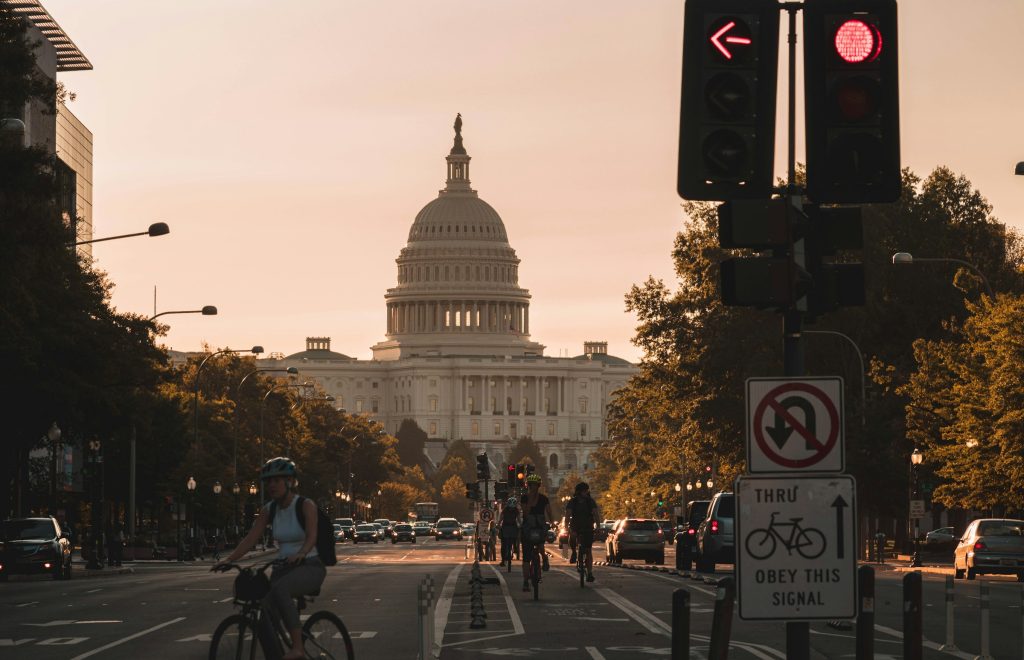
Washington DC is a city where travel plans often revolve around long walks between monuments, museums, and historic neighborhoods. The National Mall alone stretches for more than three kilometers, and many of the most famous landmarks sit outdoors in wide open spaces. Because of this layout, visitors frequently spend several hours outside during the day, moving between memorials, museums, parks, and government buildings.
The city’s climate also adds its own challenges when preparing what to pack for Washington DC. Summers are known for high humidity and strong sun, while spring and fall can bring noticeable temperature changes between morning, afternoon, and evening. Winter is generally milder than in many northern cities, but cold winds across open areas such as the National Mall and along the Potomac River can make temperatures feel lower than expected.
For this reason, packing for Washington DC usually works best when clothing is built around adaptable layers rather than fixed outfits. This guide breaks the Washington DC packing list down by season and also includes a short packing cheat sheet for three to four day trips, along with practical advice on how to prepare for the city’s weather and walking-heavy sightseeing.
Quick Washington DC Packing Cheat Sheet
Short trips to Washington DC are usually built around walking between major landmarks rather than using transport between each stop. Many of the city’s most famous attractions sit along the National Mall, a long open park stretching from the Capitol to the Lincoln Memorial. Visitors often spend several hours outdoors moving between monuments, memorials, and Smithsonian museums, which makes comfort and practical day items more important than bringing many outfit options.
For a typical three to four day visit, a practical packing list for Washington DC often includes:
- comfortable walking shoes for long distances across the National Mall
- breathable tops or T shirts for warm daytime sightseeing
- light long sleeve layer for cooler indoor museum spaces
- light sweater or hoodie for evening temperature drops
- season appropriate outer layer depending on the time of year
- compact umbrella or lightweight rain jacket for occasional showers
- sunglasses for bright sunlight around open memorial areas
- portable power bank for maps, photos, and navigation
- small day backpack for museums and daily essentials
- reusable water bottle for long sightseeing walks
One detail visitors often notice is how little shade exists around many of the city’s most famous monuments. The National Mall and surrounding memorial areas are wide open spaces, which means direct sun exposure can last for long periods during warmer months. Sunglasses, water, and lightweight clothing quickly become essential when spending time outdoors between museums and memorials.
Another practical detail comes from the contrast between outdoor conditions and indoor attractions. Smithsonian museums, visitor centers, and government buildings usually maintain strong air conditioning in summer and heating in winter. Carrying a light extra layer in a day bag helps make the transition between outdoor sightseeing and indoor spaces much more comfortable.
Washington DC Weather and How to Dress
Washington DC has a humid subtropical climate, which means weather conditions often feel stronger than the temperature alone suggests. Summers are typically hot and humid, with long periods of sunshine and very warm air across open spaces like the National Mall. Spring and autumn are generally more comfortable, though temperatures can shift during the day, especially between morning, afternoon, and evening. Winters are usually milder than in many northern cities, but wind across the Potomac River and wide government avenues can still make the air feel noticeably colder.
Another factor travelers quickly notice is that much of the sightseeing in Washington DC happens outdoors. Major landmarks, memorials, and museums are connected by large parks and open public spaces rather than narrow streets. This means visitors often walk longer distances under direct sun in summer or through exposed wind in colder months. Weather protection and comfortable clothing become important simply because of how the city is designed.
For this reason, dressing in layers works especially well in Washington DC. A breathable base layer helps during warmer parts of the day, while a mid layer adds warmth in the morning or evening. An outer layer that protects from wind or rain allows travelers to adjust easily while moving between outdoor memorials, shaded park areas, and indoor attractions.
Indoor environments also influence clothing choices. Smithsonian museums, government buildings, and many restaurants use strong air conditioning during summer and heating during winter. Because sightseeing often alternates between outdoor monuments and indoor exhibitions, flexible layers make it easier to stay comfortable throughout the day without needing to return to the hotel to change.
Packing List by Season
Spring Packing List
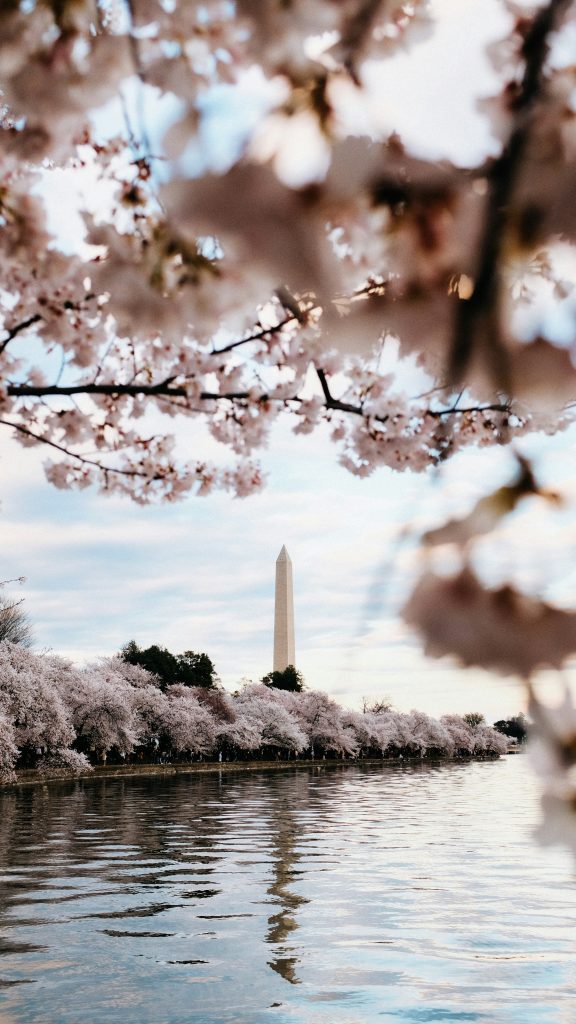
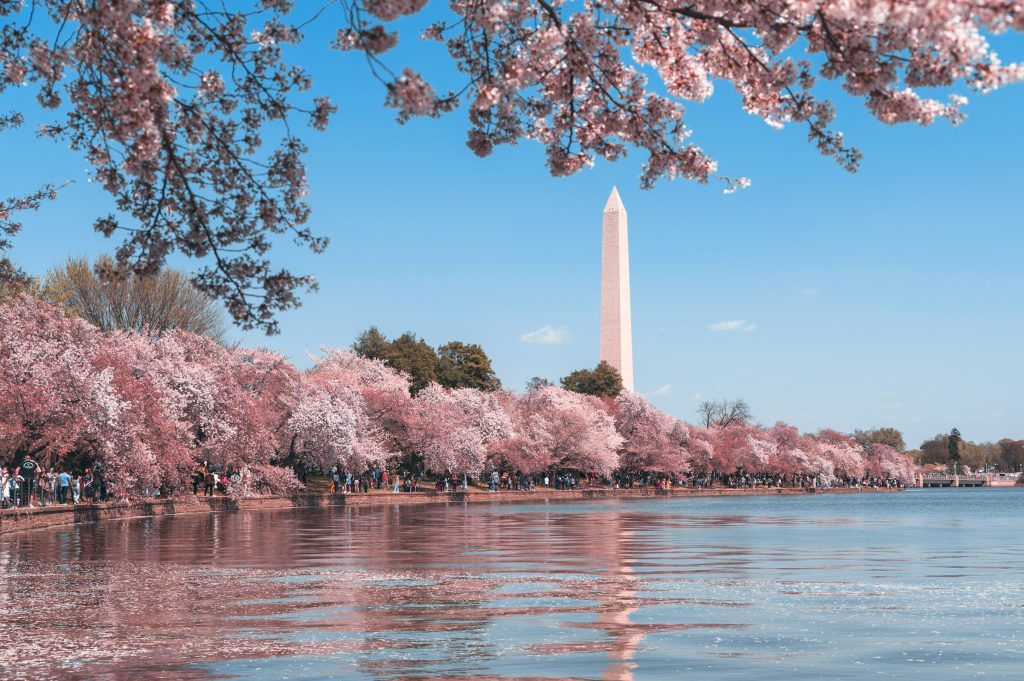
Spring in Washington DC usually runs from March through May and is one of the most popular seasons to visit, especially during the famous cherry blossom period around the Tidal Basin. Weather during these months can shift quickly. Cool mornings are common in early spring, while afternoons often become milder as the day progresses. Rain showers also appear regularly during this season.
Clothing
- lightweight waterproof jacket
- long sleeve shirts for layering
- breathable T shirts for warmer afternoons
- light sweater or knit pullover
- cardigan or hoodie for changing temperatures
- comfortable jeans or walking pants
- light scarf for breezy days
- casual shirt or top for restaurants
- breathable base layer for cooler mornings
Footwear
- supportive walking sneakers
- water resistant walking shoes
- lightweight ankle boots
Accessories
- compact umbrella
- sunglasses for sunny days around the National Mall
- small day backpack for sightseeing
- portable phone charger
- reusable water bottle
- light scarf for wind near open memorial areas
Summer Packing List
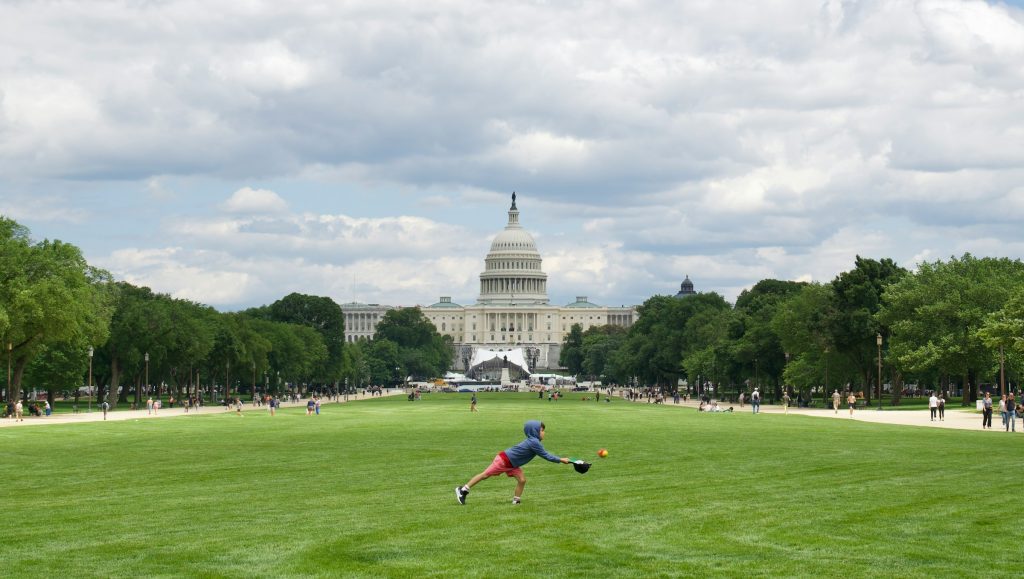
Summer in Washington DC typically lasts from June through early September and is known for heat and humidity. Temperatures regularly climb above 30°C, and the air often feels heavier because of moisture coming from the nearby rivers and surrounding landscape. Sightseeing frequently involves walking across open spaces with little shade, which makes breathable clothing and sun protection especially important.
Clothing
- breathable T shirts or tops
- lightweight long sleeve shirt for sun protection
- loose cotton shirts for humid days
- shorts or lightweight trousers
- casual summer dress or relaxed shirt
- thin sweater or light cardigan for indoor air conditioning
- comfortable casual pants for evenings
- breathable sleepwear
Footwear
- comfortable walking sneakers
- breathable casual shoes
- lightweight sandals
Accessories
- sunglasses for bright monument areas
- sunscreen for outdoor sightseeing
- hat or cap for sun protection
- reusable water bottle
- lightweight day backpack
- portable phone charger
Fall Packing List
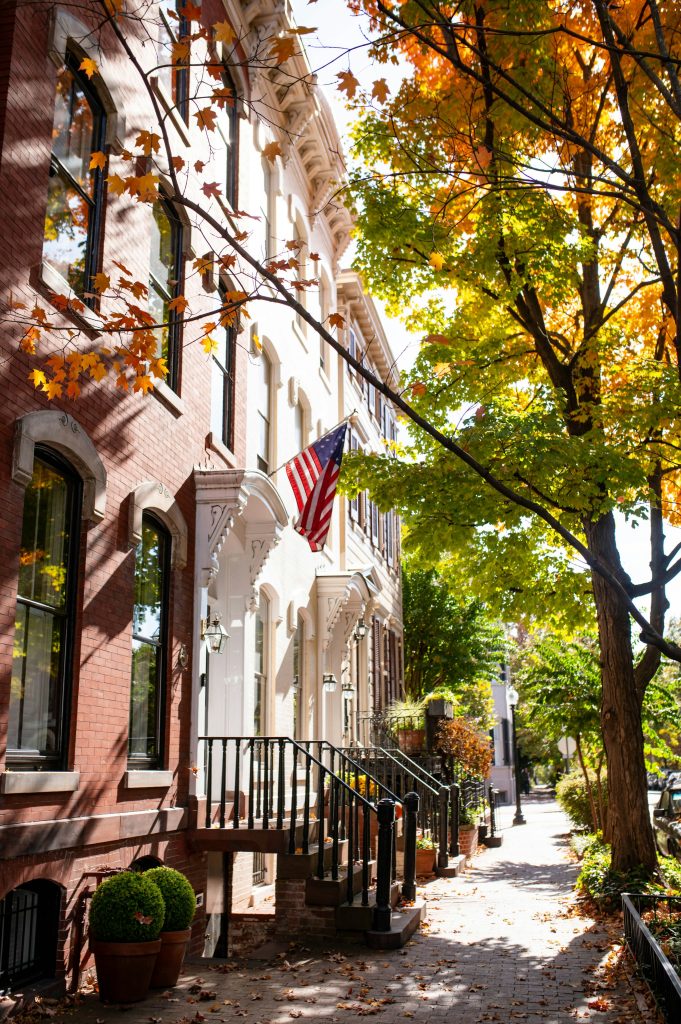
Autumn in Washington DC usually runs from late September through November and is one of the most comfortable seasons for exploring the city. Temperatures gradually cool, humidity drops, and parks such as the National Mall and Rock Creek Park begin to show autumn colors. Early fall often feels mild, while late autumn can bring colder mornings and breezy afternoons.
Clothing
- warm sweater or knit pullover
- long sleeve shirts for layering
- lightweight jacket for early autumn
- warmer coat for late fall
- jeans or thicker walking pants
- hoodie or fleece layer
- breathable base layers
- comfortable everyday socks
Footwear
- comfortable walking sneakers
- water resistant shoes
- ankle boots with good grip
Accessories
- compact umbrella for autumn rain
- scarf for breezy days
- sunglasses for clear fall afternoons
- small backpack for daily exploring
- portable phone charger
Winter Packing List
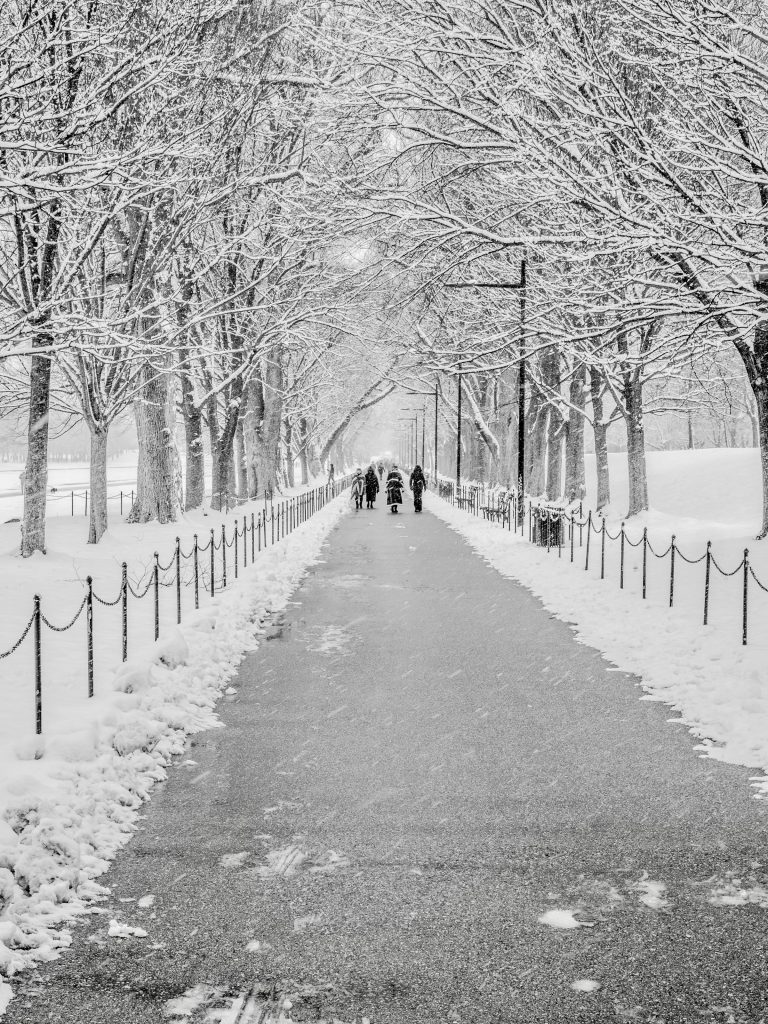
Winter in Washington DC lasts from December through February. Snow is possible but usually less frequent than in northern cities, though occasional snowstorms and icy sidewalks can still occur. Cold winds sometimes move across open spaces around the National Mall and the Potomac River, which can make outdoor sightseeing feel colder than expected.
Clothing
- warm winter coat
- insulated sweater or fleece layers
- thermal base layers
- long sleeve shirts for layering
- warm pants or jeans
- hoodie or insulated mid layer
- thick winter socks
- extra base layers for colder days
Footwear
- water resistant winter boots
- winter walking shoes with good grip
- warm lined sneakers
Accessories
- warm knit hat
- gloves or insulated mittens
- scarf for wind protection
- lip balm for dry winter air
- compact backpack for extra layers
- portable phone charger
What to Pack Depending on Your Travel Style
Even with a clear seasonal list, the exact items you bring can still change depending on how you plan to experience the city. Washington DC itineraries often look very different from one traveler to another. Some visitors focus on museums and monuments, others arrive for conferences or government meetings, while many travelers spend full days walking between historic sites and parks.
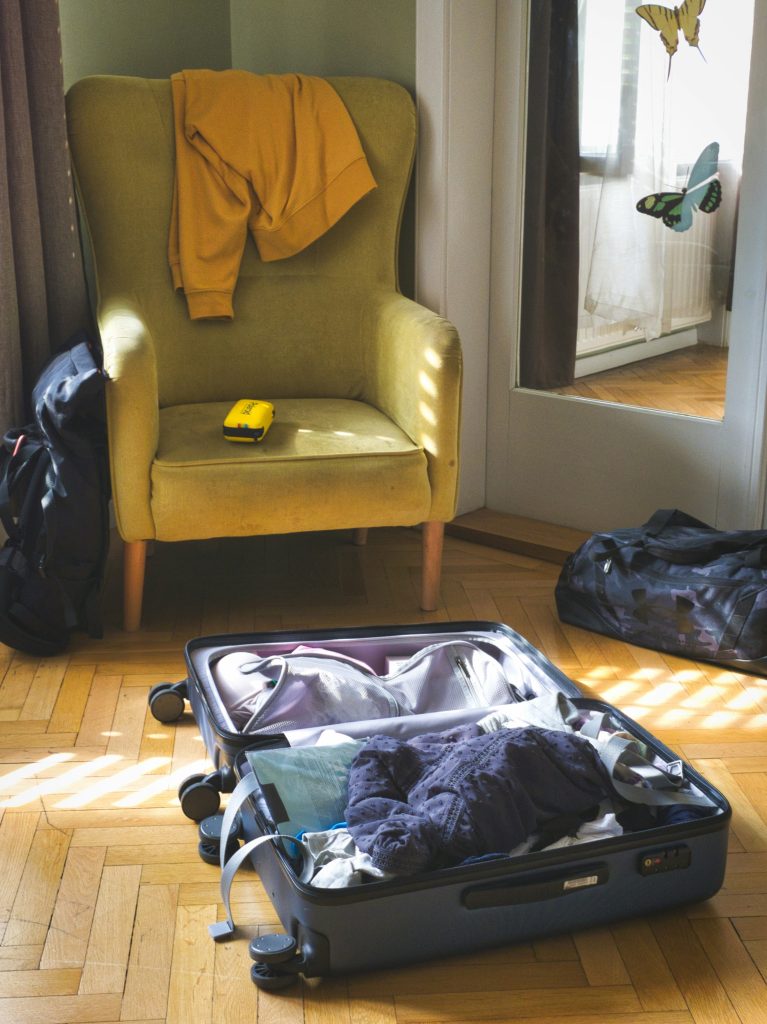
The suggestions below focus only on small additions that depend on the type of trip you are planning rather than repeating the clothing already included in the seasonal lists.
Weekend City Break
A short trip to Washington DC usually centers around the National Mall, the Capitol area, and several Smithsonian museums. Visitors often move between monuments, cafés, and museum exhibitions throughout the day, so compact items that simplify day trips tend to be the most useful.
- foldable tote bag for museum gift shops or small purchases
- compact crossbody bag for crowded memorial areas
- lightweight evening outfit for restaurants in Georgetown or downtown
- portable phone charger for navigation and photos
- refillable water bottle for long sightseeing walks
- small travel umbrella for sudden showers
Business Trip
Washington DC hosts conferences, policy events, and professional meetings throughout the year, particularly around downtown, the Capitol area, and business districts such as K Street. Business environments usually lean toward business casual, although conferences and formal meetings may require a slightly more polished appearance.
- structured blazer or professional outer layer
- business casual shoes suitable for meetings and walking
- wrinkle resistant shirt or blouse
- laptop sleeve or professional backpack
- compact garment bag to keep formal clothing neat
- portable charger for long conference days
Walking-Heavy Itinerary
Many travelers explore Washington DC mainly on foot, especially when visiting multiple memorials and museums in one day. Distances across the National Mall and surrounding monuments can be longer than they appear on maps, and walking routes often include several hours outdoors.
- blister prevention patches
- extra pair of walking socks
- lightweight breathable day backpack
- refillable water bottle for long walks
- small energy snacks for extended sightseeing
- compact sunscreen for open monument areas
With Kids
Washington DC is a popular destination for families thanks to its museums, parks, and interactive learning spaces. Attractions such as the National Air and Space Museum, the National Zoo, and large open lawns around the National Mall often mean long days of exploring with breaks for snacks and indoor exhibits.
- wet wipes and tissues for quick cleanups
- travel snack containers or small snacks
- extra clothing layer for cooler evenings
- collapsible water bottles for children
- small entertainment items for waiting times
- lightweight stroller rain cover for sudden rain
Things Travelers Often Forget When Packing
One of the most common packing mistakes for Washington DC trips is bringing too many separate outfits instead of planning adaptable combinations. Because sightseeing often involves long walks between monuments, museums, and parks, clothing that works together in layers usually proves far more practical than packing items that can only be worn once.
A useful approach is to think in complete outfits rather than individual pieces. Choosing items that can easily combine with each other helps reduce the total amount of clothing while still giving enough flexibility to adjust to temperature changes during the day. This approach also keeps luggage lighter, which is especially helpful if you plan to move frequently between hotels, airports, and train stations.
Another helpful habit is organizing clothing inside the suitcase so that layers remain easy to access. Rolling items instead of folding them often saves space and makes it easier to see what you packed without unpacking the entire bag. Packing cubes can also help separate seasonal items, daily outfits, and accessories, which becomes useful when adjusting clothing quickly after a sudden weather change.
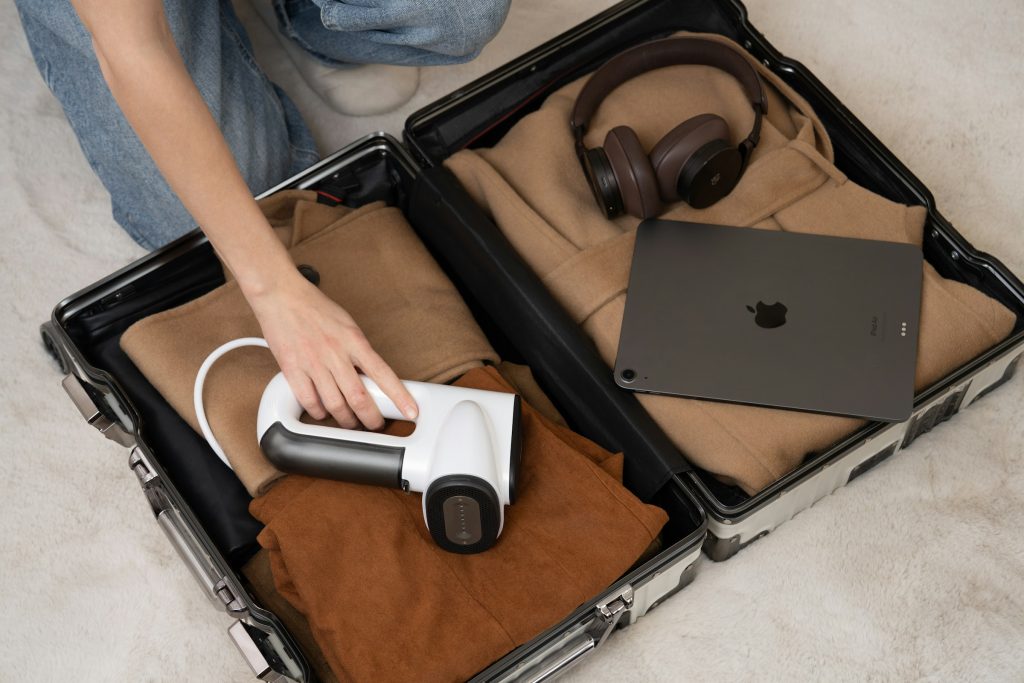
Protecting electronics is another detail many travelers overlook. Sightseeing in Washington DC often includes long outdoor walks, and weather conditions can change quickly with occasional rain showers or strong humidity during summer. Using small protective sleeves or waterproof pouches can help keep phones, cameras, and chargers safe while moving between outdoor landmarks and indoor museums.
Finally, keeping frequently used items near the top of your bag can make daily sightseeing much easier. Extra layers, sunglasses, or small essentials are much easier to grab quickly when they are easy to reach, which saves time when preparing for a full day of exploring the city.
Getting Your Washington DC Packing Right
Preparing for a trip to Washington DC becomes much easier when packing decisions focus on comfort, flexibility, and the city’s outdoor layout. Many of the most important attractions sit within walking distance of each other, which means visitors often spend hours moving between monuments, museums, and parks. Comfortable footwear and adaptable clothing usually make the biggest difference during long sightseeing days.
If this is your first visit, start with supportive walking shoes, practical layers, and outerwear suited to the season. From there, you can adjust your packing depending on whether your trip focuses more on museums, historic landmarks, conferences, or family activities.
Washington DC also combines large outdoor spaces with many indoor attractions such as Smithsonian museums and government buildings. Travelers frequently move between warm outdoor conditions and cooler indoor environments, so clothing that adjusts easily throughout the day helps avoid discomfort.
With a thoughtful approach to packing, it becomes easier to explore the National Mall, walk between memorials, and spend time inside museums without worrying about changing weather or long distances between attractions.