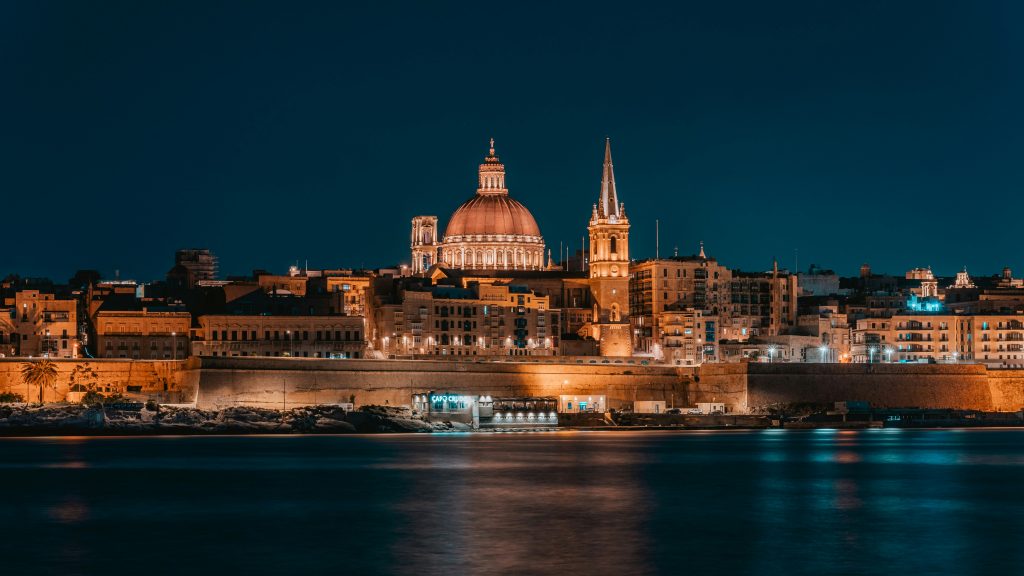
Best Areas to Stay in Seville for First-Time Visitors

If you are visiting Seville for the first time, choosing where to stay can shape the entire trip. The city is compact and largely walkable, yet different neighbourhoods create very different experiences. Some areas place you right inside the historic atmosphere, while others offer quieter streets or easier access to transport.
Many travellers wonder where to stay in Seville first time without losing time on logistics or long walks in the heat. Even though distances look small on the map, staying a few streets closer to the centre can mean stepping out directly into the Cathedral district or reaching major sights within minutes. The right location makes sightseeing feel effortless rather than planned, especially in a city where midday heat can slow the pace and returning somewhere central for a short break makes a real difference.
Seville rewards travellers who stay close to where the city’s rhythm is strongest, whether that means historic alleys, lively tapas streets, or calm squares just beyond the busiest routes.
Quick Area Guide
Best for walking: Santa Cruz
Ideal for first-time visitors who want to stay in the historic heart and reach major landmarks on foot.
Food and atmosphere: El Arenal
Great for travellers who want central access with plenty of tapas bars, river walks, and lively evenings.
Quiet but still central: Alameda / San Lorenzo
Better for those who prefer a calmer local feel while staying within walking distance of the old town.
Budget and transport: Nervión
A practical choice if you want lower prices, easy metro access, and quick connections to the train station.
How Seville Is Laid Out
Seville is easy to understand once you picture the historic centre as the core of everything. The oldest part of the city spreads around the Cathedral, the Alcázar, and the Santa Cruz district, where narrow streets and major landmarks sit close together. Most first-time visitors spend the majority of their time within this area, especially if the trip is short.
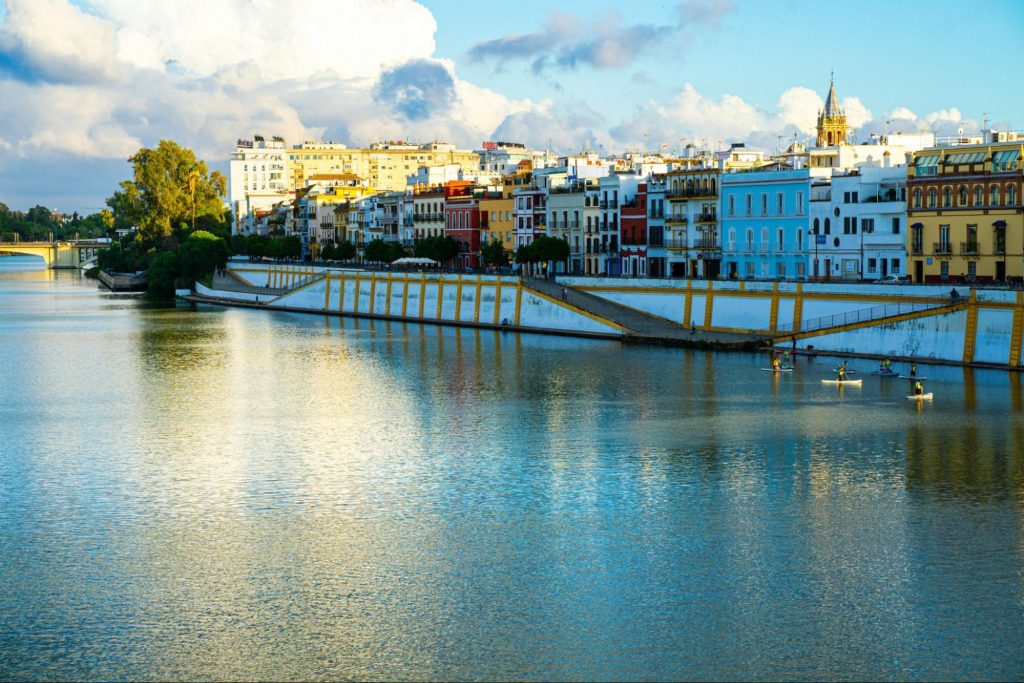
Neighbourhoods that border the historic centre offer slightly different experiences without feeling far away. El Arenal sits just west of the old town near the river and connects sightseeing with restaurants and promenades. Across the Guadalquivir, Triana has a more local character while still staying within walking distance of the main attractions.
For transport, the main railway hub is Santa Justa station, located northeast of the centre. It connects Seville with Madrid and other major Spanish cities. The airport is also easy to reach, with a direct airport bus linking Santa Justa, the city centre, and key drop off points, making arrivals and departures straightforward even without a car.
Best Areas to Stay in Seville for First-Time Visitors
Understanding how Seville’s neighbourhoods differ makes it easier to choose the best place to stay in Seville for first timers. Some areas put you right inside the historic core, while others offer quieter streets or better value just beyond it, yet still close enough to explore the city on foot.
Santa Cruz
Who it suits: first-time visitors, couples, short city breaks
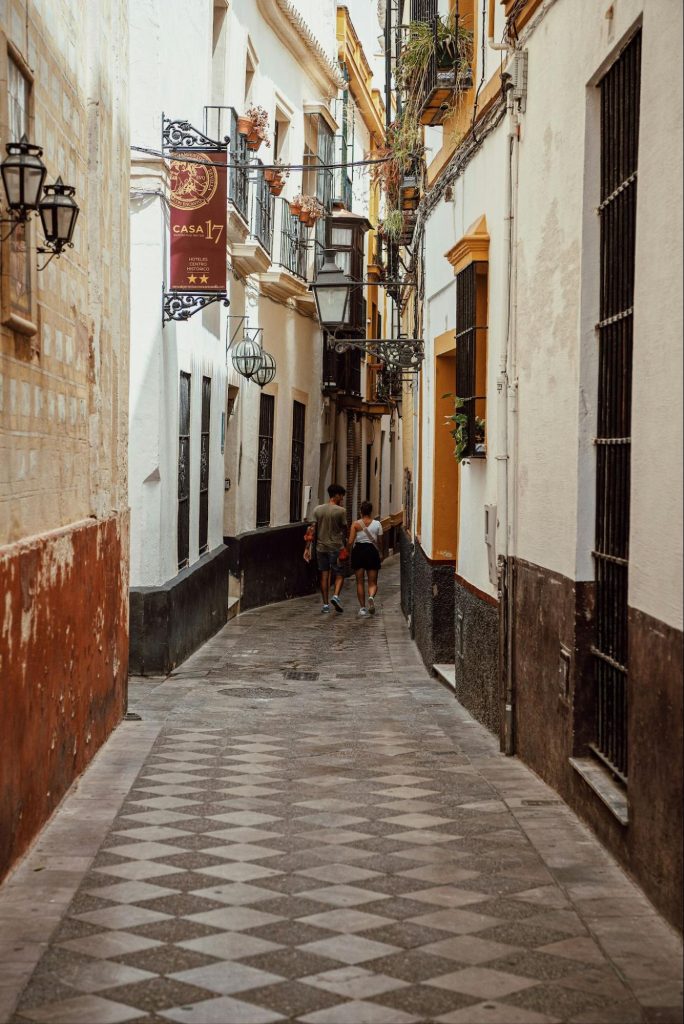
Santa Cruz is the most classic place to stay if you want to experience Seville’s historic atmosphere from the moment you step outside. This is the old Jewish quarter, a maze of narrow lanes, small squares, and orange tree courtyards that feels deeply connected to the city’s past. For many travellers, staying here means waking up surrounded by the landmarks they came to see. Early mornings in this area are especially atmospheric, when the streets are quieter and the historic details stand out the most.
Pros:
- Right in the historic centre
- Walking distance to most major sights
- Strong old town atmosphere
- Easy access to the Cathedral and Alcázar
- Ideal for exploring without transport
Cons:
- Higher prices than other districts
- Busy during peak travel seasons
- Narrow streets can be noisy at night
What’s nearby:
- Seville Cathedral and La Giralda
- Real Alcázar
- Archivo de Indias
- Plaza del Triunfo
- María Luisa Park and Plaza de España (15–20 minutes walk)
Accommodation style: Santa Cruz is dominated by boutique hotels, restored townhouses, and compact apartments inside historic buildings. Many places focus on character and location rather than space, which is typical for the old centre.
Typical stay options:
- Boutique hotels
- Small guesthouses
- Historic apartments
Best for: Boutique hotels work well for couples and short stays, while apartments suit travellers who want more room while staying central.
What to check before booking:
- Lift availability in older buildings
- Street noise levels
- Air conditioning in warmer months
- Access for taxis on narrow streets
Best stay type for the area: A centrally located boutique hotel makes it easy to step straight into Seville’s historic core.
El Arenal
Who it suits: first-time visitors, food lovers, travellers who want central but slightly calmer surroundings
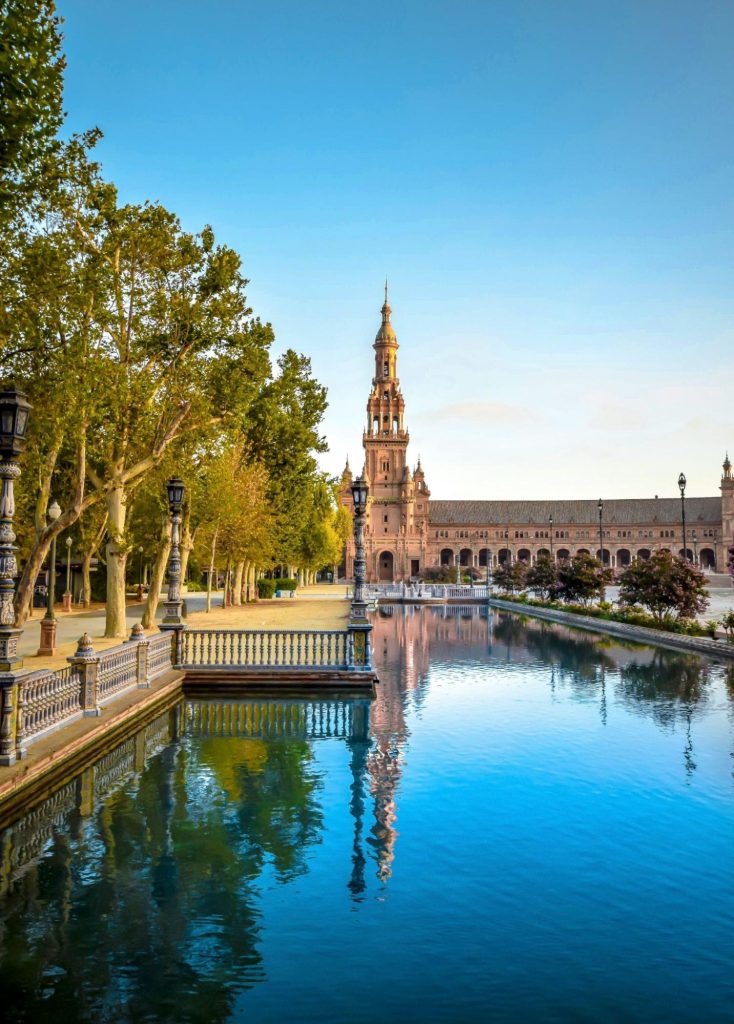
El Arenal sits right next to the historic centre but feels a little more open and relaxed than Santa Cruz. Located between the Cathedral and the Guadalquivir River, this area blends sightseeing with local life, making it a comfortable base if you want to stay central without being surrounded by narrow old town streets all the time.
Pros:
- Very central but less maze-like than Santa Cruz
- Easy access to riverfront walks
- Great tapas bars and restaurants
- Flat and easy to walk around
- Good balance between atmosphere and space
Cons:
- Some streets get lively at night
- Slightly less historic charm than Santa Cruz
- Popular areas can feel busy in the evenings
What’s nearby:
- Torre del Oro
- Seville Cathedral (5–10 minutes walk)
- Guadalquivir river promenade
- Plaza Nueva
- Maestranza Bullring
Accommodation style: El Arenal offers a mix of mid-range hotels, boutique stays, and modern apartments. Compared to Santa Cruz, rooms here are often slightly larger and easier to access.
Typical stay options:
- Mid-range hotels
- Boutique hotels
- Apartments
Best for: Hotels are a convenient choice for short stays, while apartments suit travellers who want more space but still want to stay central.
What to check before booking:
- Noise levels near busy tapas streets
- Distance to the river or main squares
- Air conditioning during warmer months
- Room orientation if you prefer quieter stays
Best stay type for the area: A hotel close to the river or on a quieter side street offers a good mix of location and comfort.
Triana
Who it suits: travellers who want a more local feel, couples, repeat visitors who still want to stay close to the centre
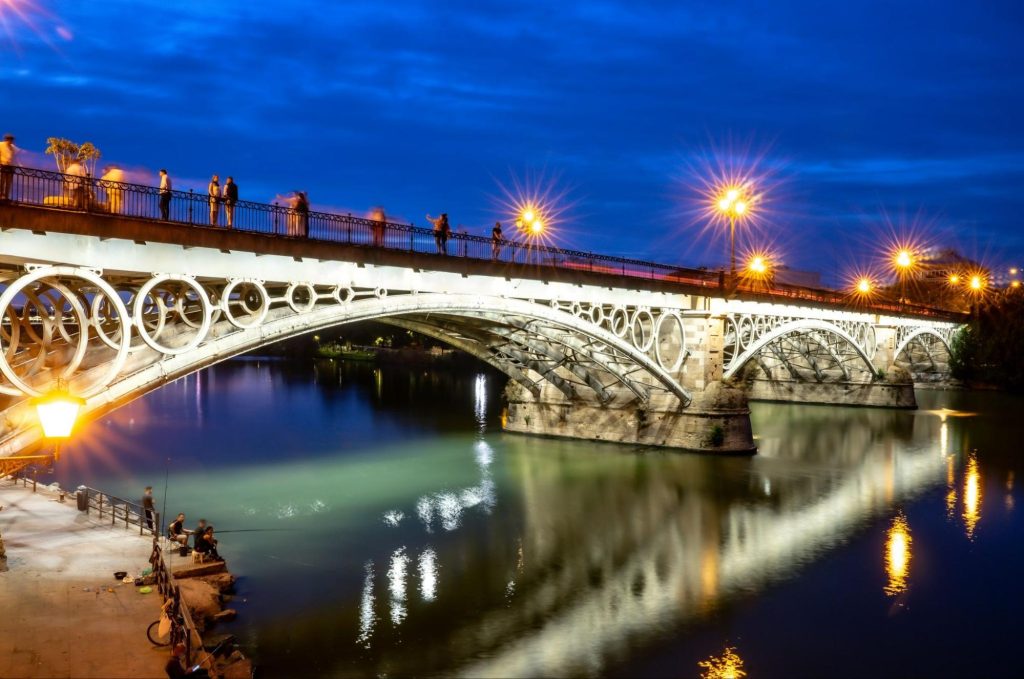
Triana sits just across the Guadalquivir River and offers a different side of Seville while staying within walking distance of the main sights. Traditionally known as a working class and flamenco-rooted district, it feels more residential and authentic than the historic core. Staying here gives you a quieter base while still keeping the old town within easy reach.
Pros:
- Strong local character and atmosphere
- Excellent tapas bars and markets
- Riverside views and sunset walks
- Easy walk to the centre via Isabel II Bridge
- Lively but less tourist-heavy than Santa Cruz
Cons:
- Not inside the historic centre
- Fewer iconic landmarks within the district
- Some nightlife noise near the riverfront
What’s nearby:
- Calle Betis riverfront
- Triana Market
- Isabel II Bridge (Puente de Triana)
- Ceramic workshops and studios
- Easy access to El Arenal and Cathedral area
Accommodation style: Triana offers a mix of apartments, boutique stays, and smaller local hotels. Compared to the old town, properties here often provide more space and a slightly more residential feel.
Typical stay options:
- Apartments
- Boutique guesthouses
- Small local hotels
Best for: Apartments are especially popular here, making the area a good choice for longer stays or travellers who want more room and a neighbourhood vibe.
What to check before booking:
- Distance to the bridge for easy centre access
- Noise near busy riverfront streets
- Building access and lifts in older properties
- Air conditioning in summer
Best stay type for the area: An apartment near the river or close to the main bridge offers the best balance of atmosphere and convenience.
Alameda / San Lorenzo
Who it suits: travellers who prefer quieter surroundings, longer stays, visitors looking for a more local atmosphere
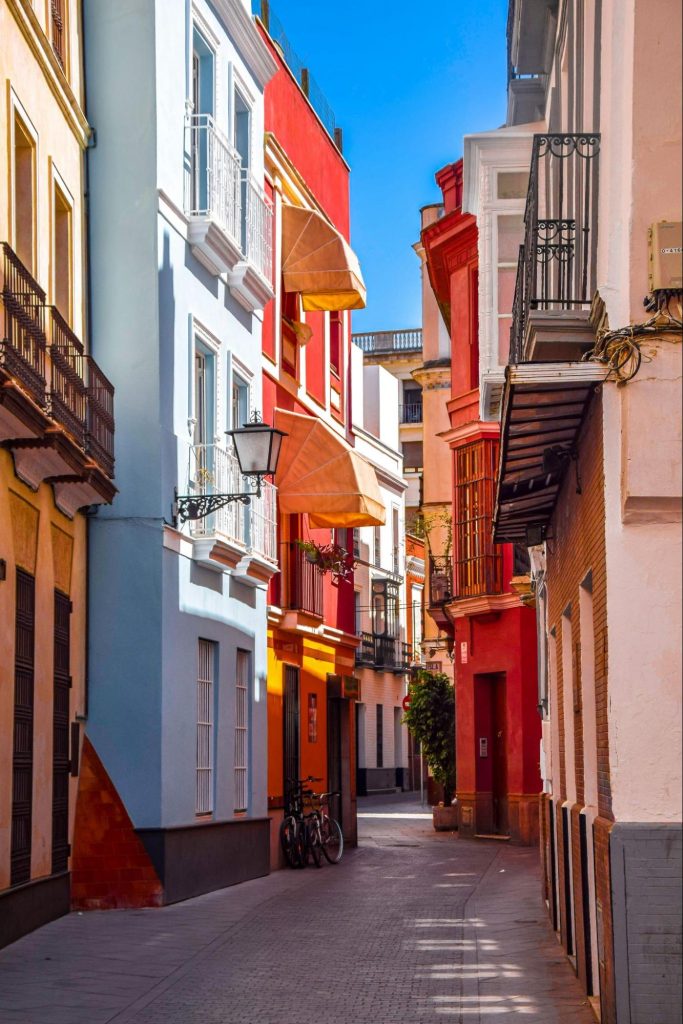
The Alameda and San Lorenzo area sits just north of the historic centre and feels noticeably more relaxed while still staying within walking distance of major sights. This part of Seville blends residential streets with lively squares, making it a good option if you want a calmer base without moving far from the old town.
Pros:
- Quieter than the historic core
- Strong local atmosphere with fewer tourists
- Plenty of cafés, bars, and open squares
- Still walkable to central landmarks
- Often better value than Santa Cruz
Cons:
- 15–20 minutes walk to the Cathedral
- Less postcard-style scenery
- Some areas feel more residential than atmospheric
What’s nearby:
- Alameda de Hércules square
- Basilica de la Macarena
- San Lorenzo Church
- Northern edge of the old town
- Easy access to Santa Cruz and El Arenal on foot
Accommodation style: This area offers a mix of apartments, boutique stays, and smaller guesthouses. Properties here often provide more space and a quieter environment compared to the busiest central districts.
Typical stay options:
- Apartments
- Boutique guesthouses
- Small hotels
Best for: Apartments are especially popular, making this a good choice for travellers staying several nights or those who prefer a neighbourhood feel over a tourist-heavy location.
What to check before booking:
- Exact walking distance to the historic centre
- Street activity around main squares
- Lift availability in older buildings
- Air conditioning in summer
Best stay type for the area: An apartment near Alameda de Hércules offers the best mix of local atmosphere and walkable access to the centre.
Nervión
Who it suits: budget-conscious travellers, short stays, visitors arriving by train or prioritising transport access
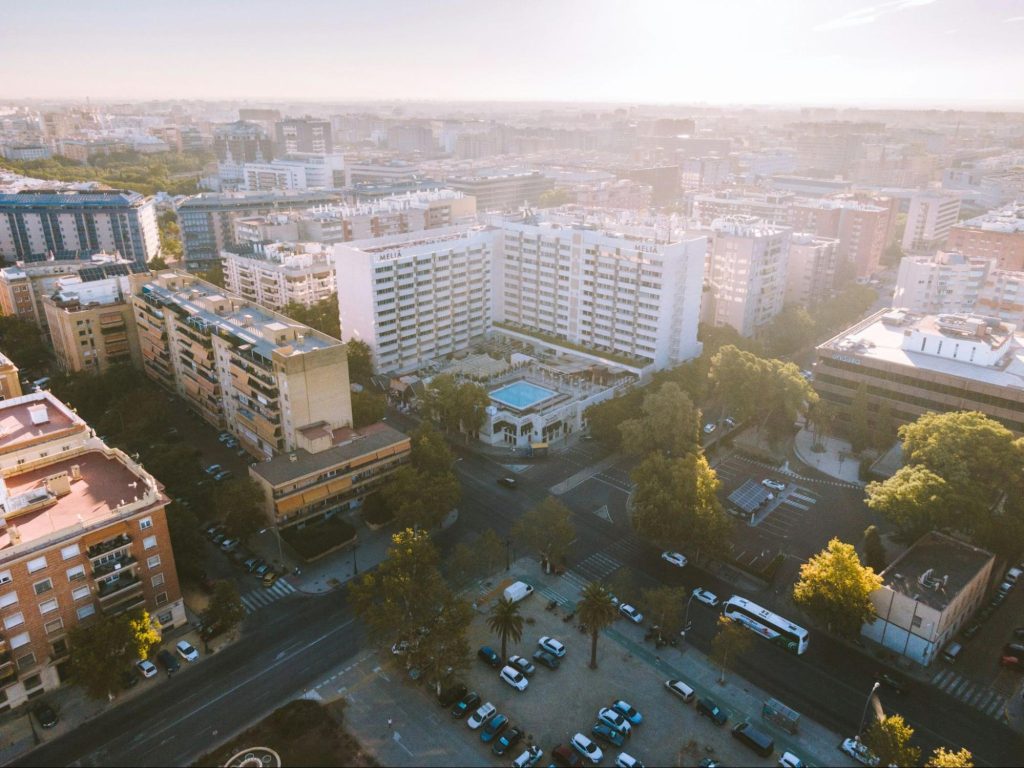
Nervión sits outside the historic centre but offers a practical alternative if convenience matters more than atmosphere. This modern district is built around Santa Justa railway station and several shopping and business areas, making it especially useful for travellers with tight schedules or early departures.
Pros:
- Close to Santa Justa train station
- Easy access to public transport
- More modern hotels and buildings
- Often better value than central districts
- Wide streets and easier navigation
Cons:
- Not part of the historic atmosphere
- Fewer traditional sights nearby
- Requires transport or a longer walk to the old town
What’s nearby:
- Santa Justa railway station
- Nervión Plaza shopping centre
- Ramón Sánchez-Pizjuán Stadium
- Direct connections to the historic centre by bus or metro
Accommodation style: Nervión is known for modern hotels, business stays, and larger chain properties. Compared to the old town, rooms here are often more spacious and easier to access.
Typical stay options:
- Chain hotels
- Business hotels
- Modern apartments
Best for: Hotels work well for short stays, train connections, or travellers who want predictable comfort and easy logistics.
What to check before booking:
- Walking distance to the station if arriving by train
- Metro or bus connections to the centre
- Air conditioning during warmer months
- Travel time to main landmarks
Best stay type for the area: A hotel near Santa Justa station is ideal if transport convenience is your top priority.
Areas That Can Be Less Convenient for First-Time Visitors
While Seville is generally easy to navigate, some neighbourhoods may feel less practical for a first visit, especially if you want to stay close to the main sights and explore mostly on foot.
- Los Remedios
Located next to Triana, this area is calm and residential but has a more modern, local feel with fewer historic sights. It works well for longer stays but may feel less atmospheric compared to areas closer to the river and bridges. - La Macarena (outer edges)
Parts of Macarena closer to the centre work well, but areas farther north can mean longer walks to major attractions. A better fit for travellers who don’t mind staying outside the main tourist zone. - Cartuja Island
Known for Expo-era sites and business areas, this district lacks the historic atmosphere many first-time visitors expect. It can work for events or conferences but feels less immersive. - Far Nervión edges
Central Nervión is practical, but staying too far from Santa Justa station or metro lines can reduce the convenience that makes the district appealing. - Outer Triana
Triana works best near the river and main bridges. Staying deeper into residential parts may add extra walking time, especially during hotter months.
These areas are not unsuitable, but they tend to work better for return visits or travellers who prioritise quieter surroundings over immediate access to landmarks.
Practical Tips for Choosing Where to Stay in Seville
Choosing the right area in Seville often comes down to how long you are staying and how much you want to walk. A few small details can make a big difference, especially in a city where heat, narrow streets, and historic buildings shape the travel experience.
- For 2–3 days:
Staying inside or very close to the historic centre makes sightseeing much easier and reduces travel time. - For 4–5 days or more:
You can stay slightly farther out, as long as you remain within walking distance of the centre or close to reliable transport. - Check walking distances, not just maps:
A location that looks central may still involve longer walks through winding streets. - Always read reviews about noise:
Historic areas can be lively at night, especially near tapas streets or busy squares. - Air conditioning is essential in warmer months:
Seville’s summers are extremely hot, and not every historic property handles heat equally well. Shaded streets help, but indoor comfort quickly becomes a priority during peak summer afternoons. - Look for lifts in older buildings:
Many central stays are inside historic houses where lifts are not always guaranteed. - If travelling with luggage:
Narrow streets and pedestrian zones can make access harder, so check how close taxis can get. - If arriving by train or planning day trips:
Consider proximity to Santa Justa station or direct transport links to avoid extra transfers.
These small checks help avoid common surprises and make your first stay in Seville much more comfortable.
Simple Routes to Experience Seville
One-Day Route from the Historic Centre
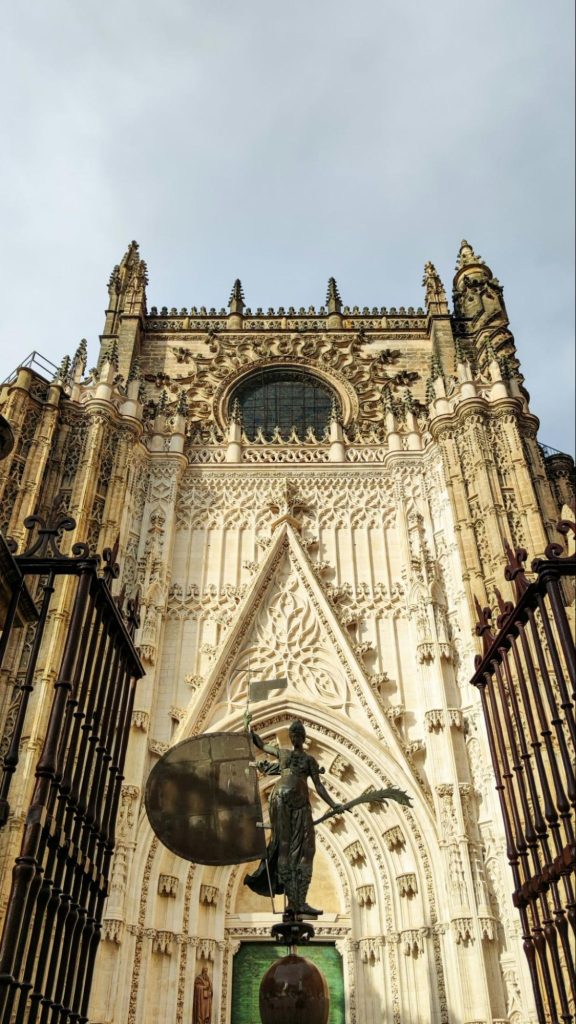
If you are staying in Santa Cruz or El Arenal, most of Seville’s iconic landmarks can be explored on foot in a single day without rushing.
- Start at Seville Cathedral and climb La Giralda
- Visit the Real Alcázar and its gardens
- Walk through Archivo de Indias and Plaza del Triunfo
- Head toward the river and Torre del Oro
- Lunch near El Arenal or along the waterfront
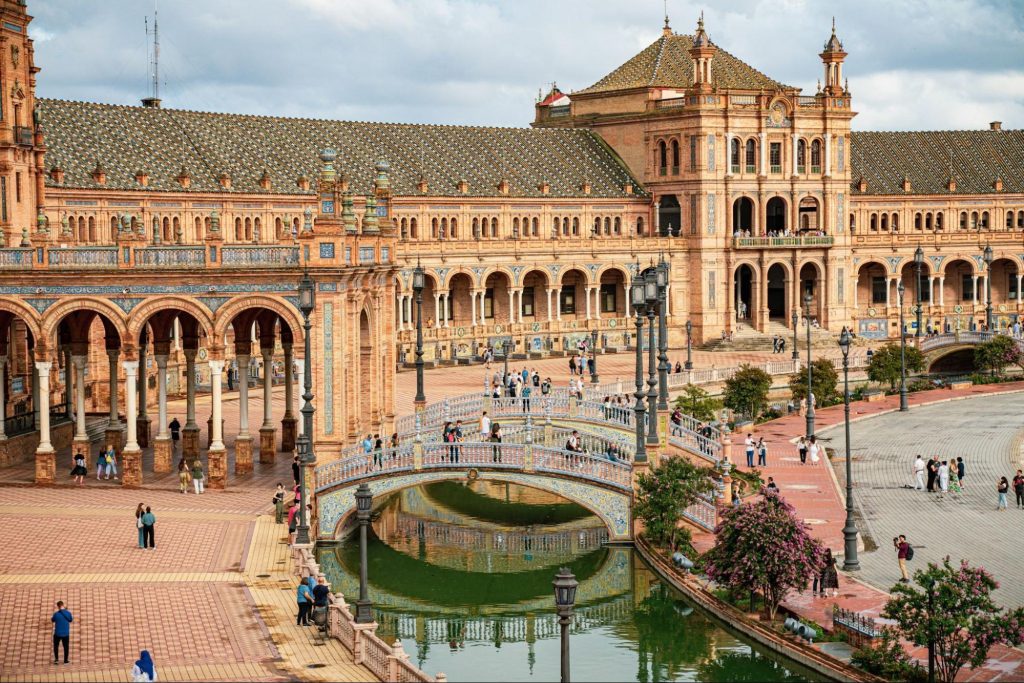
- Continue to Plaza de España
- Stroll through María Luisa Park
- End the day with tapas back in the old town
This route works best if you stay central, as everything connects naturally through pedestrian streets and shaded parks.
Relaxed Evening Route from Triana or Alameda
If you are staying slightly outside the busiest core, evenings are perfect for slower walks and local atmosphere.
- Begin with a sunset walk along the Guadalquivir River
- Stop at a local tapas bar or terrace
- Explore small squares with outdoor seating
- Catch a flamenco performance or live music venue
- Finish with rooftop drinks or a late dessert café
These areas shine after dark, offering a calmer pace while still keeping the historic skyline within view.
Bringing It All Together
Seville is one of those cities where choosing the right neighbourhood can shape how effortlessly the trip unfolds. Staying close to the historic centre makes it easier to explore on foot, step into major landmarks without planning, and experience the atmosphere that defines the city. Even small differences in location can change how much time you spend walking, resting, or navigating the heat.
For most first-time visits, areas like Santa Cruz and El Arenal offer the most immediate access to Seville’s highlights, while Triana and Alameda provide a more local feel without losing walkability. Nervión, meanwhile, works well for travellers who prioritise transport links and practical convenience.
Ultimately, the best area to stay in Seville for sightseeing depends on how central you want your base to be and what kind of pace you prefer, whether that means historic immersion, local atmosphere, or easy connections for exploring the city and beyond.