Tipping Culture in Edinburgh: What’s Expected and What’s Optional

Travelling to Edinburgh often means adapting to small everyday differences that are easy to overlook until you are faced with them. Tipping is one of those details. It is neither mandatory nor completely absent, which is exactly why visitors sometimes hesitate when it is time to pay.
Tipping culture in Edinburgh sits somewhere between structured expectation and complete flexibility. Staff in restaurants, cafés and hotels are paid regular wages under UK regulations, yet in certain settings leaving something extra is seen as a polite acknowledgment of good service. At the same time, some venues automatically add a service charge, and many card terminals now display optional tip prompts, which can create confusion.
It is common for travellers to wonder, do you tip in Edinburgh at all, and how much to tip in Edinburgh without overcomplicating the situation. The answer depends on the setting, the service provided and whether anything has already been added to the bill. Knowing what to look for helps avoid double tipping, unnecessary generosity or awkward uncertainty at the payment counter.
The Essence of Tipping Culture in Edinburgh
To understand tipping culture in Edinburgh, it helps to begin with one important fact: service workers are paid a standard wage that does not depend on tips. As of April 2025, the UK National Living Wage is £12.21 per hour for workers aged 21 and over, and this applies in Scotland as well. Because of this structure, gratuities are not designed to replace income, but rather to acknowledge good service.
In everyday practice, tipping here functions as a thank you rather than an obligation. When people ask how much to tip in Edinburgh, the most common answer in sit down restaurants is around 10 percent if no service charge has been added. At the same time, many locals simply round up the bill to a convenient figure instead of calculating an exact percentage.
There are also clear situations where tipping is not expected. Self service cafés, takeaway counters, or venues with minimal interaction beyond payment do not create social pressure to leave extra money. If service is indifferent or poor, leaving nothing is considered acceptable. In Edinburgh, tipping reflects the experience you received rather than a strict social rule.
Restaurants in Edinburgh: The Main Scenario
For most visitors, restaurants are where tipping feels least clear. This is also the setting where checking the bill carefully matters most. Before deciding how much to tip in Edinburgh, the first step is always to read the receipt.
Check the Bill First
In many Edinburgh restaurants, especially in central or tourist areas, you may see a line such as “service charge,” “optional service charge,” or “service included.” This is commonly set at 10 to 12.5 percent and may be added automatically. It is particularly common for groups of six or more.
If a service charge has already been included, you are generally not expected to add anything further. That amount is considered the tip. Only in cases of truly exceptional service might someone leave a small additional amount, but this is optional.
If No Service Charge Is Included
If no service charge appears on the bill, leaving around 10 percent for good service is typical in sit down restaurants. In more casual places, rounding the total up to a convenient figure is also common. For example, turning £46 into £50 feels natural and avoids unnecessary calculations.
The important point is that tipping in Edinburgh restaurants is tied to service quality rather than strict obligation. If service was attentive and professional, around 10 percent is appropriate. If it was average, rounding up is usually sufficient. If it was poor, leaving nothing is socially acceptable.
How to Leave a Tip in Edinburgh
Once you have decided to leave something extra, the process itself is usually straightforward. Card payments are standard across Edinburgh, and most restaurants use modern payment terminals. When paying by card, the screen may display suggested tip options such as 10 percent or a custom amount before you complete the transaction.
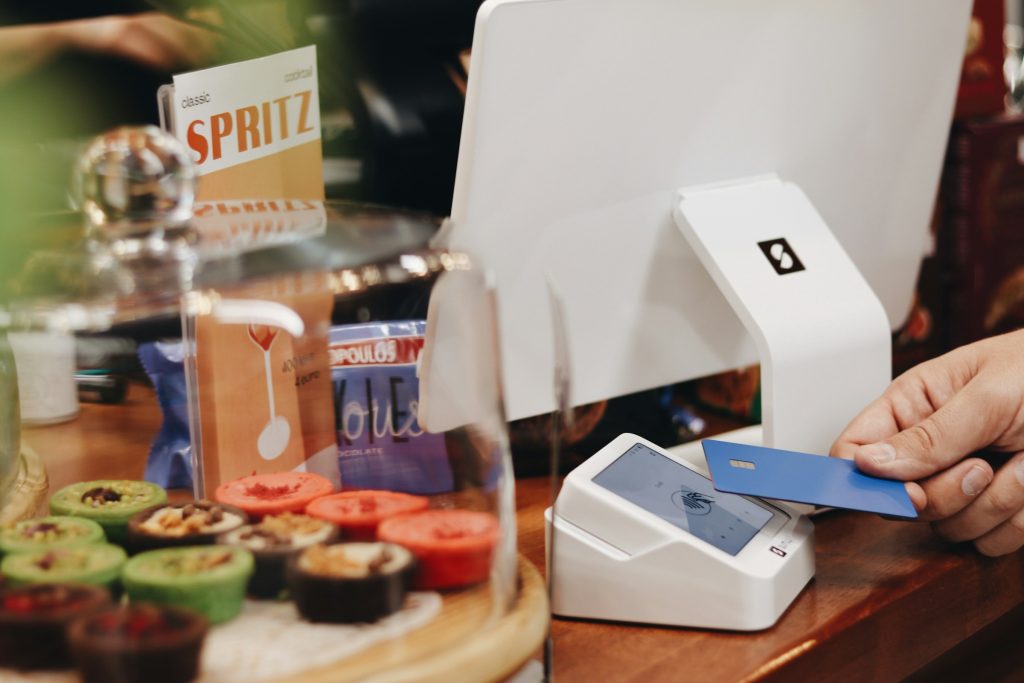
These prompts are optional. Choosing “no tip” does not create tension or require explanation, especially if a service charge has already been included. If you prefer to control the amount more precisely, selecting a custom figure is common practice.
Cash is still accepted and, in some cases, preferred. Leaving notes or coins directly on the table or inside the bill folder can feel more personal and ensures the gesture is clearly associated with the service you received. Some guests choose this method if they want to make sure the tip goes directly to staff rather than being processed through the card system.
Unlike in some countries, it is not typical in Edinburgh to announce a new total verbally to the server when paying. The interaction remains low key. Whether you tip in cash or by card, the approach is discreet and uncomplicated, reflecting the overall flexibility of tipping culture in Edinburgh.
Cafés and Quick Bites
In cafés and casual takeaway spots across Edinburgh, tipping follows a much simpler logic than in full service restaurants. If you order at the counter, pay immediately, and collect your drink or food yourself, leaving a tip is not expected. Paying the listed price is completely normal.
Edinburgh has a strong independent coffee scene alongside larger chains, especially in areas such as the Old Town, New Town, and around the university district. In most of these places, service is quick and informal. Even if staff are friendly and welcoming, customers do not typically calculate a percentage for a coffee or a sandwich.

You may notice a small tip jar near the counter. Adding loose change is optional and usually done as a friendly gesture rather than out of obligation. It is more common if staff have gone beyond the basics, for example by accommodating special requests or providing particularly attentive service.
If the café operates more like a sit down brunch venue with table service, the situation becomes closer to a restaurant setting. In that case, rounding up the bill or leaving around 10 percent for good service feels appropriate. In standard counter service environments, however, tipping remains entirely discretionary.
Bars and Pubs in Edinburgh
Drinking culture in Edinburgh is built around the bar counter. In most traditional pubs, customers order and pay directly at the bar rather than waiting for table service. In this setting, tipping is not part of the normal routine. You pay for your drinks and that is usually the end of the transaction.
Even when buying several drinks at once, adding a percentage is not common practice. Pub staff do not expect 10 percent on each round, and locals rarely calculate anything extra. The pace is quick, especially in busy evenings, and the system is designed to move efficiently rather than encourage tipping after every order.
Some people leave small change if the amount feels convenient, particularly when paying in cash. With card payments, this happens less often. It is more about simplicity than calculation.
The situation changes slightly if you are in a gastro pub or a venue where staff bring drinks and food to your table. In those cases, the experience resembles a restaurant, so checking the bill for a service charge is important. If nothing has been added and service has been attentive, around 10 percent is reasonable.
Overall, pub culture in Edinburgh does not revolve around gratuities. The atmosphere is informal, and tipping at the bar remains optional rather than expected.
Hotels and Accommodation
In Edinburgh hotels, tipping is situational rather than automatic. There is no expectation to leave money during routine interactions such as checking in, asking for directions, or requesting extra towels. Basic service is considered part of the room rate.
Where tipping becomes appropriate is when there is clear, personal assistance. If a porter helps carry luggage to your room, leaving a small amount per bag is customary. It is not a fixed rule, but a modest gesture for the specific help provided.
Housekeeping is another area where some guests choose to leave something, especially during longer stays. This is optional. A small amount left at the end of the stay, or occasionally per day if service has been particularly thorough, is seen as appreciation rather than obligation.
Concierge services follow the same logic. If assistance goes beyond general advice and involves securing difficult reservations, organising transport at short notice, or resolving a complicated issue, leaving something extra can acknowledge the effort. For everyday recommendations or simple questions, tipping is not expected.
In short, hotel tipping in Edinburgh reflects individual service rather than a structured system. If there was meaningful personal help, a modest gesture feels appropriate. If not, there is no social pressure to add anything.
Taxi, Ride Share and Transfers
When using taxis in Edinburgh, tipping follows a practical and uncomplicated approach. Drivers do not depend on gratuities as a primary source of income, so leaving something extra is optional rather than expected.
The most common practice is simple rounding. If the fare comes to £14.40, paying £15 feels natural. For longer journeys, such as transfers to or from Edinburgh Airport, some passengers add a small amount if the driver was helpful with luggage, chose an efficient route, or provided a comfortable ride. Around 10 percent would be considered generous rather than mandatory.
If you are paying through a ride share app, the system usually allows you to add a tip after the trip. This remains entirely optional. Many locals choose not to add anything unless service clearly stood out.
There are also situations where leaving no tip is completely acceptable. If the ride involved poor driving, unnecessary detours, or unprofessional behaviour, simply paying the stated fare is sufficient.
Tours and Activities
When it comes to guided tours and organised activities in Edinburgh, tipping depends largely on the format of the experience.
For paid group tours, such as historical walking tours, ghost tours, or day trips to the Highlands departing from the city, tipping is appreciated but not automatically expected. If the guide was engaging, knowledgeable, and managed the group well, leaving around 10 percent is considered generous. Some visitors prefer to leave a flat amount instead of calculating a percentage, especially for shorter tours.

Free walking tours operate differently. Although there is no ticket price upfront, guides work on a tip based model. In this case, the contribution effectively becomes the main payment. The amount usually reflects the duration of the tour, the depth of information provided, and the overall experience. Leaving nothing after a full tour would be unusual unless the experience was genuinely disappointing.
For private tours or specialised experiences, tipping is more common if the guide tailored the experience, offered detailed insights, or went beyond the standard itinerary. If the service felt routine, the tip remains optional.
In Edinburgh, tour related tipping is closely linked to effort and quality rather than obligation. Visitors reward strong engagement and good storytelling, especially in a city where history and atmosphere play such a central role.
Common Tourist Mistakes in Edinburgh
One of the most frequent mistakes visitors make is tipping twice. Some restaurants automatically add a discretionary service charge, and travellers who do not check the receipt carefully may leave an additional 10 percent on top. A quick glance at the bill prevents unnecessary extra spending.
Another common issue is applying habits from other countries. Visitors used to higher tipping systems sometimes leave 15 or even 20 percent by default. In Edinburgh, this is considered generous but not required. Around 10 percent in restaurants, when no service charge is included, is typically sufficient.
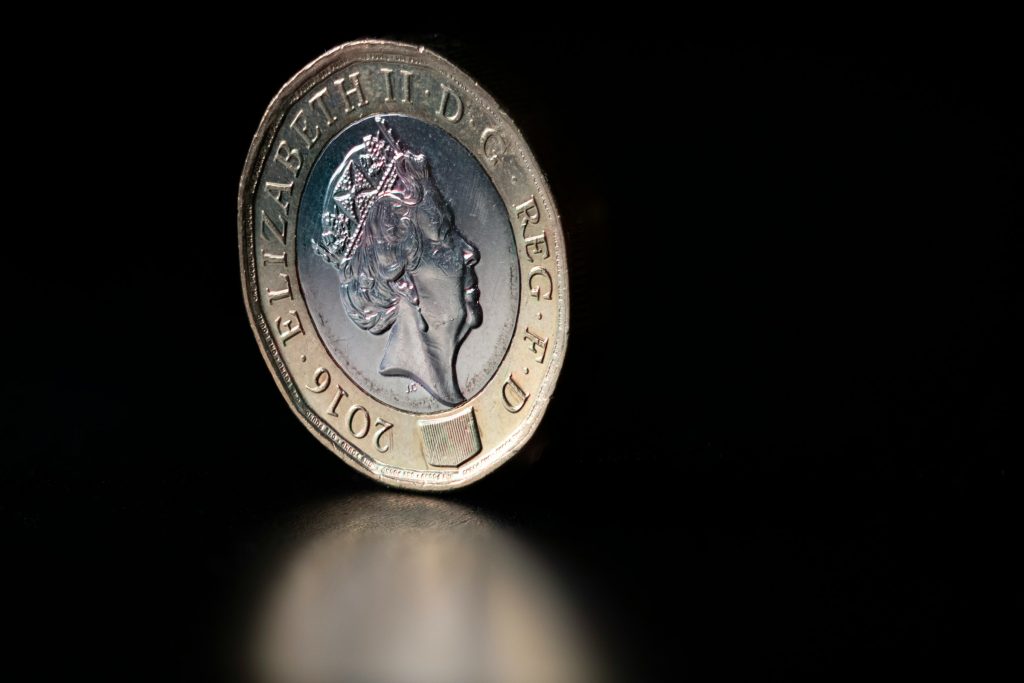
Using foreign currency for tips can also create inconvenience. Leaving euros or dollars might seem harmless, but staff cannot easily use that money without exchanging it. If you choose to leave cash, it should always be in pounds sterling.
Some travellers also feel uncomfortable asking whether a service charge has been added. In reality, politely clarifying this is completely acceptable. Staff are used to the question, especially in tourist areas.
Finally, tipping in places where it is not expected, such as at a pub bar counter or at a takeaway coffee shop, can feel unnecessary. While leaving something extra is never wrong, understanding local norms helps avoid overthinking simple transactions.
Quick Checklist Before You Pay
Before adding anything extra to the bill, keep these points in mind:
- Check the receipt for “service charge” or “service included.” If it is already there, you usually do not need to add more.
- If no service charge is included in a sit down restaurant, around 10 percent for good service is appropriate.
- In casual venues, rounding up the total to a convenient amount is often enough.
- At a pub bar counter, tipping is generally not expected.
- In cafés with counter service, leaving extra money is optional.
- In hotels, tip only for personal assistance such as luggage help or special arrangements.
- For taxis, rounding up the fare is common and sufficient.
- If leaving cash, use pounds sterling rather than foreign currency.
Keeping It Simple in Edinburgh
Tipping culture in Edinburgh is shaped more by practicality than by strict social rules. Service staff are paid a regular wage, so gratuities are not treated as mandatory. Instead, they function as a way to recognise attentive, professional service when it genuinely stands out.
For most visitors, the key question is simply: do you tip in Edinburgh? The answer is yes in certain settings, especially in restaurants where no service charge has been added. In those cases, around 10 percent for good service feels appropriate. In pubs, cafés with counter service, taxis, and hotels, tipping depends largely on the level of personal attention received.
Understanding how much to tip in Edinburgh becomes easier once you know what to check and where expectations apply. A quick look at the bill, a practical approach, and a focus on service quality are usually all you need. The goal is not to follow a rigid formula, but to match your gesture to the experience you had.