Best Time to Visit Sarajevo
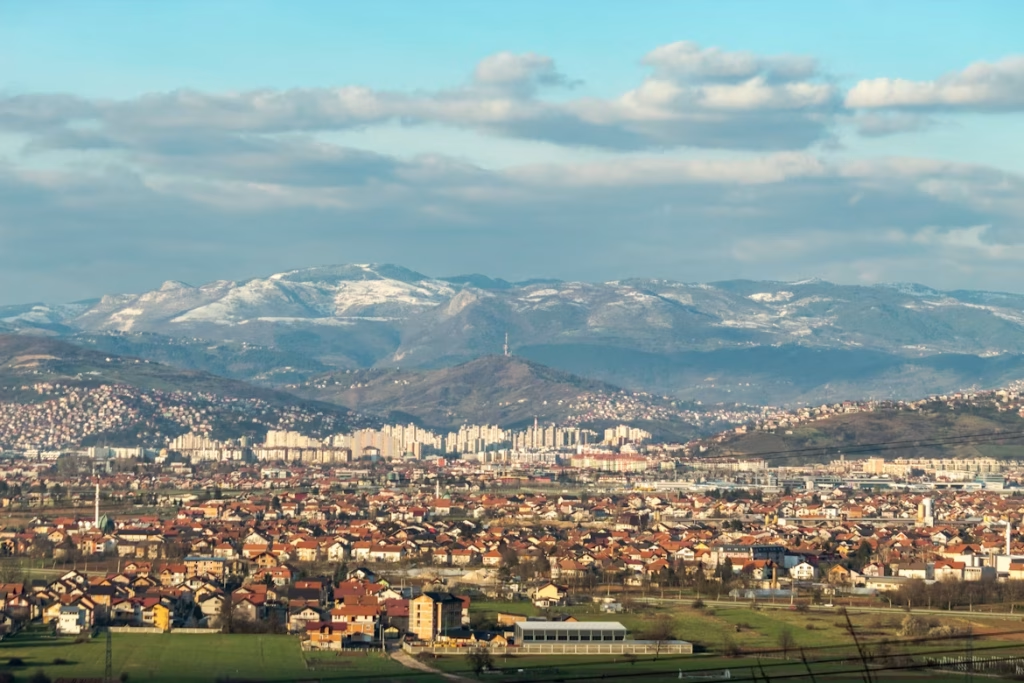
Choosing the best time to visit Sarajevo is not as simple as picking the warmest month. This is a city shaped by mountains, layered history, café culture, and strong seasonal contrasts. In winter, Sarajevo feels intimate and atmospheric under snow. In summer, it becomes lively and international. Spring and autumn reveal a softer, more local rhythm.
This guide will help you decide when to go based on what actually matters in real travel planning: weather comfort, tourist density, prices, and how easy it is to organize your trip. By the end, you will clearly understand the best time to travel to Sarajevo for your style, budget, and expectations.
When to Go: Quick Cheat Sheet
If you are looking for a fast answer before diving into details, here is a practical summary.
Best time to visit Sarajevo overall:
May, June, September
Best weather:
Late May to early July, September
Cheapest months:
Late January, February (outside ski holidays), November
Fewest tourists:
November, late January, early March
If you are visiting for 2-3 days:
May, June, or September. These months offer ideal walking temperatures, active terraces, and good conditions for day trips without peak-season price pressure.
Why Timing Matters in Sarajevo
Sarajevo sits in a narrow valley surrounded by the Dinaric Alps. This geography shapes everything from its climate to its atmosphere. Unlike coastal Balkan cities, Sarajevo has continental seasons. Winters are cold and snowy. Summers are warm but typically not unbearably humid. Spring and autumn are transitional yet often surprisingly stable.
Because much of the experience revolves around walking, exploring neighborhoods, climbing viewpoints, and spending time outdoors, the season you choose strongly affects your comfort.
The historic heart around Baščaršija, the Ottoman-era bazaar, is compact and best explored on foot. Austro-Hungarian architecture lines the central avenues. Panoramic viewpoints sit above the valley. Weather influences how much you enjoy all of this.
When deciding on the best time to visit Sarajevo, consider three things:
- How comfortable you are with heat or cold
- Whether you enjoy busy social energy or calmer streets
- How flexible your budget is
Let’s break down each season in detail.
Seasonal Guide to Sarajevo
Winter Wonders: Snowy Streets and Mountain Adventures
Weather
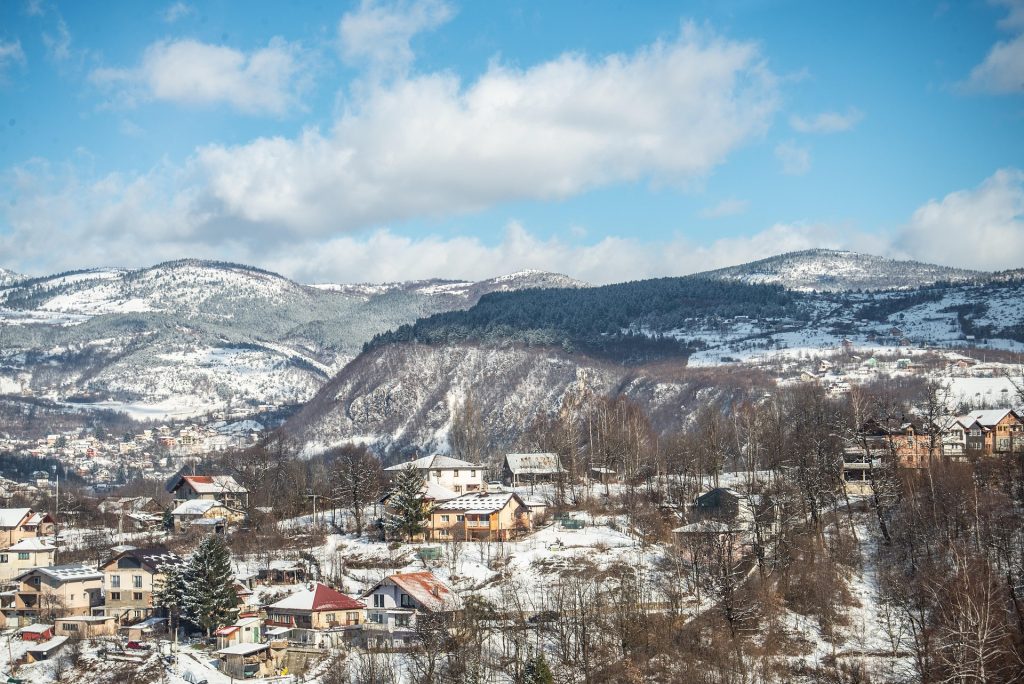
Winter in Sarajevo is cold and often snowy. Temperatures usually range from -5°C to 6°C (23–43°F). January is typically the coldest month. Snowfall is common, especially in the surrounding mountains. Fog can settle in the valley, creating dramatic scenery but sometimes reducing visibility.
Snow transforms rooftops, minarets, and Austro-Hungarian facades into a cinematic landscape. The atmosphere feels quiet and reflective.
Tourist Flow and City Energy
December becomes busier around Christmas and New Year. After early January, visitor numbers drop in the city center but increase in nearby ski resorts.
The mountains that hosted the 1984 Winter Olympics remain active. Skiers head to Jahorina and Bjelašnica on weekends.
Inside the city, museums and historical sites are rarely crowded. Restaurants feel cozy rather than busy. Hotel prices outside holiday weeks are moderate.
What to Do in Winter
- Combine city exploration with skiing or snowboarding.
- Visit museums such as the Tunnel of Hope without waiting in lines.
- Spend evenings enjoying traditional Bosnian dishes in warm restaurants.
Who Winter Is For
Winter can be the best time to visit Sarajevo if you appreciate snow scenery, lower city crowds, and mountain sports. It is less suitable if you prefer long sunny days and outdoor café life.
Spring Awakening: Green Hills and Blooming Streets
Weather
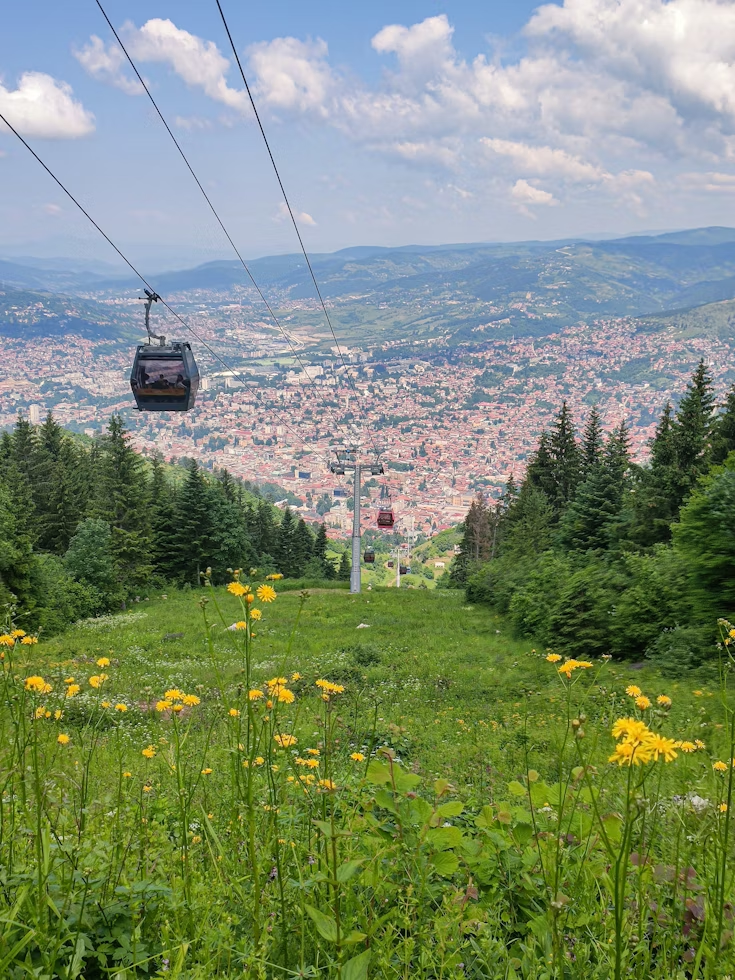
March can still be chilly and unpredictable. Rain is possible. April becomes greener and milder. By May, temperatures typically range from 18°C to 23°C (64-73°F), making it one of the most comfortable times of the year.
Flowers bloom in parks. Hills surrounding the city turn bright green. Air quality improves compared to winter.
Tourist Flow and Atmosphere
Spring is often considered the best time to travel to Sarajevo. April remains relatively calm. May becomes lively but not overwhelming. Popular attractions are active, yet queues are short.
Outdoor terraces reopen fully. Locals return to evening walks along the river. The energy feels balanced.
What to Do in Spring
- Walk from Baščaršija to the Latin Bridge in perfect sightseeing weather.
- Take the cable car up Mount Trebević for panoramic views.
- Explore hillside cemeteries and viewpoints with clear skies.
Who Spring Is For
Travelers who value comfort, photography, and moderate pricing. Late spring consistently ranks as the best time to visit Sarajevo for first-time visitors.
Summer Energy: Festivals, Sunshine, and City Life
Weather
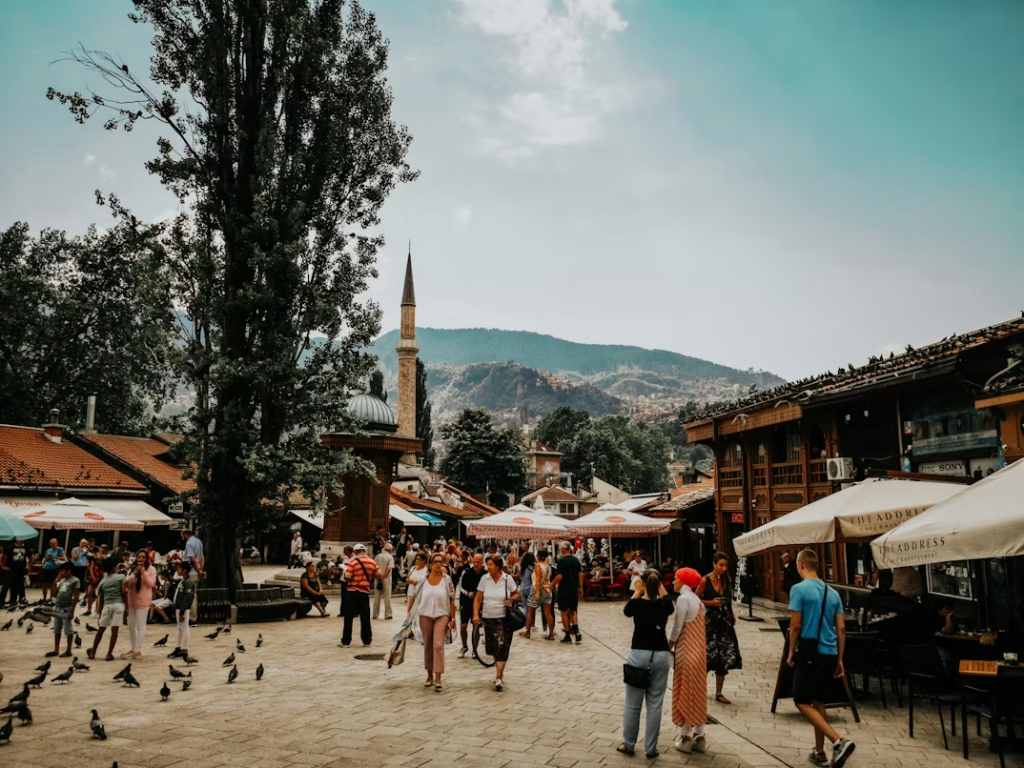
Summer is warm and sunny. Temperatures range between 25°C and 32°C (77-90°F). Heat waves occasionally push higher, but evenings cool down pleasantly thanks to the valley’s elevation.
Unlike coastal cities, humidity is generally manageable.
Tourist Flow and Atmosphere
June marks the beginning of high season. July and August are the busiest months. Streets fill with international visitors. Restaurants operate at full capacity.
In August, the internationally known Sarajevo Film Festival transforms the city into a cultural hub. Accommodation prices rise sharply during this period, and early booking is essential.
Despite higher visitor numbers, Sarajevo rarely feels as crowded as major European capitals. However, popular restaurants may require reservations.
What to Do in Summer
- Attend film screenings and cultural events.
- Explore neighborhoods in the evening when temperatures drop.
- Take day trips to rivers and mountain villages to escape midday heat.
Who Summer Is For
Those who enjoy vibrant city life, social energy, and long daylight hours. If you define the best time to visit Sarajevo as the most dynamic season, summer may appeal to you.
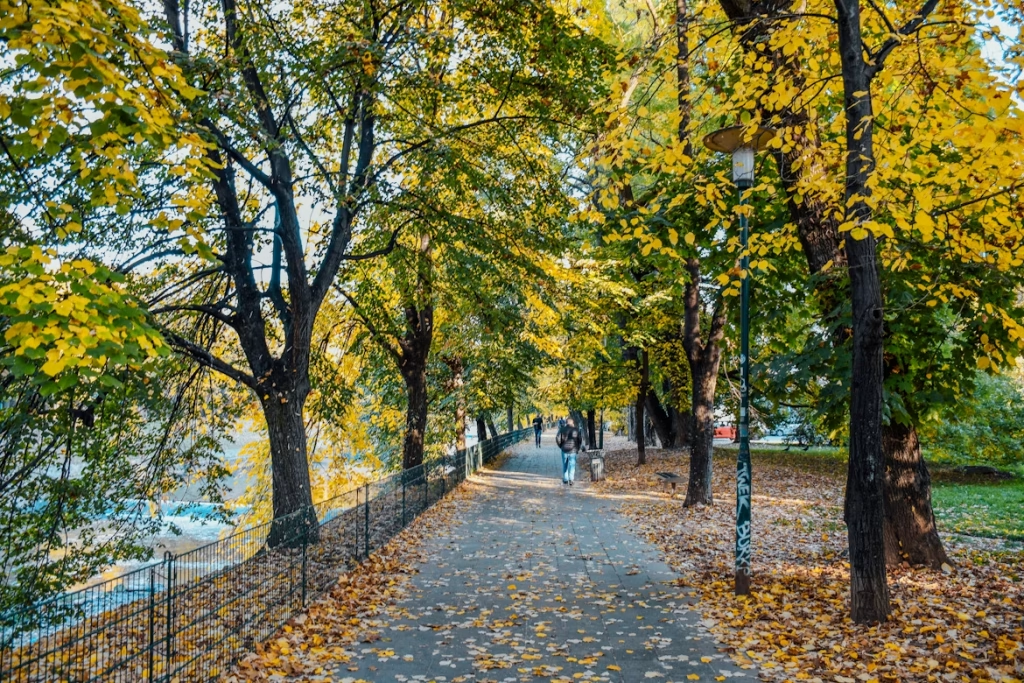
Autumn Charm: Golden Hills and Quiet Cafés
Understanding the reality of crowds, prices, and logistics in Sarajevo is essential for making your trip smooth and budget-friendly. Here’s a detailed breakdown.
Peak Tourist Periods and Their Effects
- July and August — High season:
- Hotels and Airbnbs can be 30-50% more expensive than in shoulder seasons. Luxury or boutique hotels in Baščaršija often sell out weeks in advance.
- Restaurant prices can rise 10-20%, especially in tourist-heavy streets. Expect to pay more for traditional dishes like ćevapi or burek in central areas.
- Guided tours, walking tours, and cable cars (Trebević or Trebević funicular) may require advance reservations.
- Hotels and Airbnbs can be 30-50% more expensive than in shoulder seasons. Luxury or boutique hotels in Baščaršija often sell out weeks in advance.
- Sarajevo Film Festival (mid-August):
- Prices for accommodation peak; even guesthouses outside the city can be nearly fully booked.
- Tickets for festival screenings sell out fast; plan 1-2 months ahead if you want to attend.
- Prices for accommodation peak; even guesthouses outside the city can be nearly fully booked.
- New Year holidays:
- Hotels offer special packages that are 20-40% higher than regular winter rates. Early December booking is recommended if you plan a festive stay.
- Hotels offer special packages that are 20-40% higher than regular winter rates. Early December booking is recommended if you plan a festive stay.
- Winter ski weekends (January-February):
- Hotels near the mountains (Jahorina, Bjelašnica) see rate increases of 25-35% during weekends. Weekday stays are cheaper.
- Hotels near the mountains (Jahorina, Bjelašnica) see rate increases of 25-35% during weekends. Weekday stays are cheaper.
When Prices Are Lower
- Late January, February (outside ski holidays), November:
- Hotel rooms can be up to 50% cheaper than summer.
- Restaurants may offer weekday specials.
- Flights into Sarajevo International Airport are often 20–30% cheaper, especially from European hubs like Vienna, Zagreb, or Budapest.
- Hotel rooms can be up to 50% cheaper than summer.
- Shoulder season (May, June, September):
- Accommodation is moderately priced, and attractions are accessible without queues.
- Flights are slightly higher than low season but still cheaper than August.
- Accommodation is moderately priced, and attractions are accessible without queues.
Public Transport and City Logistics
- Trams and buses:
- Sarajevo has a reliable network with frequent trams and buses connecting the city center to suburbs and nearby hills.
- Tickets cost approximately 1.60-1.80 BAM (~$0.90-$1.00). Cash payment is standard.
- Lines can get crowded during morning and evening rush hours.
- Sarajevo has a reliable network with frequent trams and buses connecting the city center to suburbs and nearby hills.
- Taxis and city transfers:
- Taxis are inexpensive for short distances within the city, but always confirm the meter is used.
- During festivals or ski weekends, taxis may be limited. Pre-booking or arranging transport through your accommodation is safer.
- Taxis are inexpensive for short distances within the city, but always confirm the meter is used.
- Car rental:
- Not necessary for exploring the city center.
- Recommended if you plan multiple day trips to mountains or neighboring towns. Be aware that parking is limited in Baščaršija and other historic areas.
- Not necessary for exploring the city center.
Practical Booking and Budget Tips
- Book accommodation early for July, August, festival weeks, and New Year. Prices rise quickly, and good options sell out.
- Travel mid-week when possible to reduce costs for accommodation and city attractions.
- Stay at least three nights to include city exploration and one day trip.
- Consider lodging slightly outside the center to save money; public transport is convenient.
- Check schedules for ski resorts or cable cars in winter; weekdays are cheaper and less crowded.
- Buy tickets online for popular attractions during high season to avoid queues.
- Use layered clothing and good walking shoes regardless of season, as weather can change quickly in the valley.
Day Trips from Sarajevo and Best Months for Each
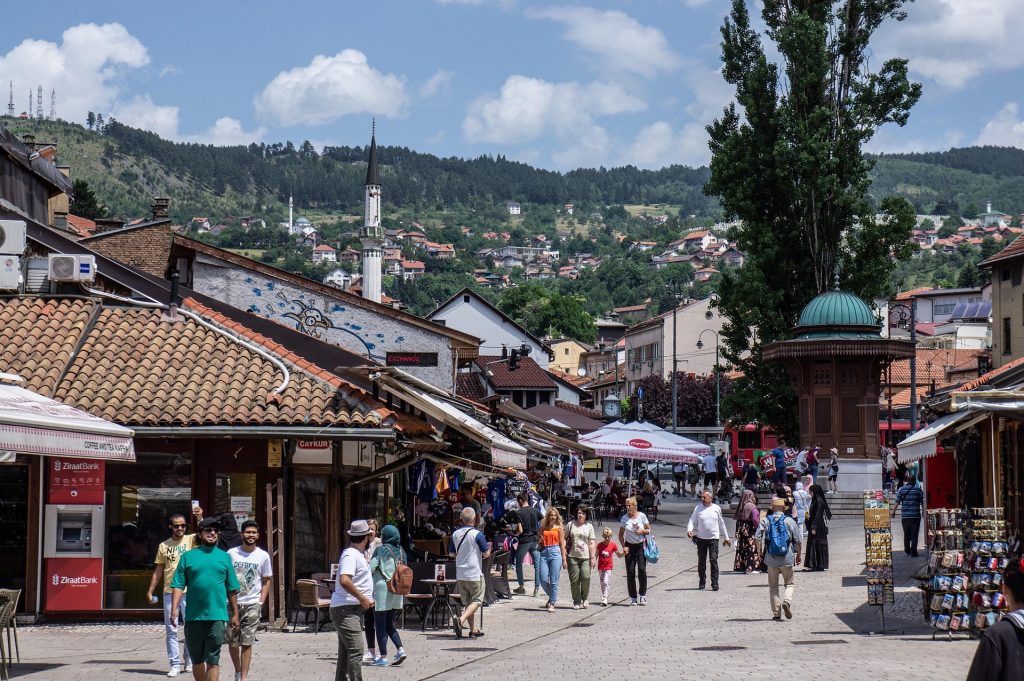
One reason travelers carefully consider the best time to travel to Sarajevo is access to nearby destinations.
Mostar
Mostar is best visited in April, May, September, or October. Summer heat can be intense.
Blagaj
The riverside monastery is most enjoyable in late spring and early autumn when water levels and greenery are optimal.
Lukomir Village
Accessible mainly from late May to October due to snow. Summer offers clear mountain views and hiking opportunities.
Jajce
Jajce is particularly impressive in spring when waterfalls are powerful.
Višegrad
Late spring and summer provide stable conditions for exploring its historic bridge.
Olympic Mountains
Winter is ideal for skiing. Summer suits hiking and fresh alpine air.
How Many Days Do You Need?
For a meaningful visit, plan:
- 2 days for city highlights only
- 3 days to include one day trip
- 4-5 days for deeper exploration and mountain excursions
If you only have a weekend, May or September are the best months because weather reliability reduces the risk of losing sightseeing time.
Final Thoughts
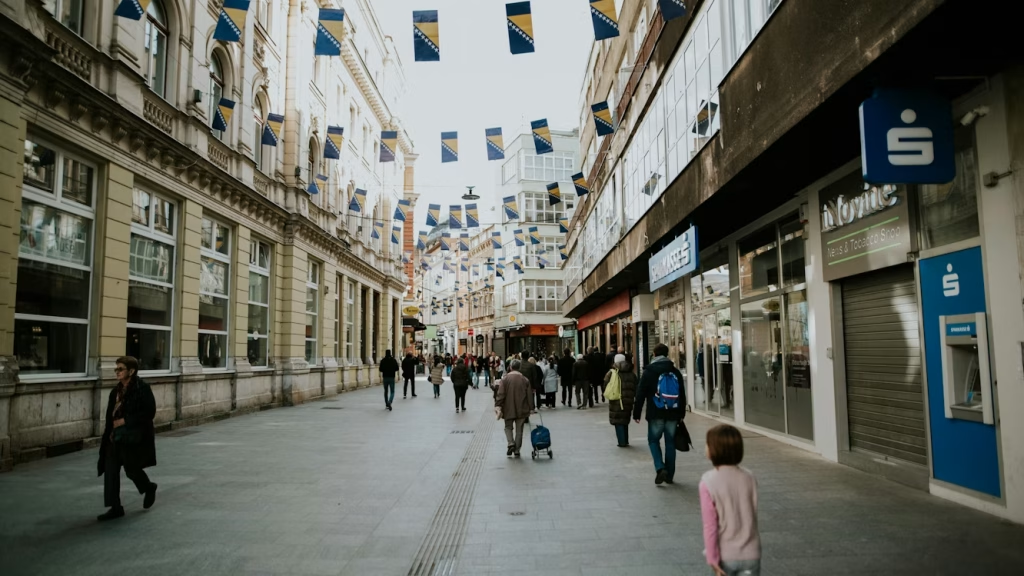
Understanding the reality of crowds, prices, and logistics in Sarajevo is essential for making your trip smooth and budget-friendly. Here’s a detailed breakdown.
Peak Tourist Periods and Their Effects
- July and August — High season:
- Hotels and Airbnbs can be 30-50% more expensive than in shoulder seasons. Luxury or boutique hotels in Baščaršija often sell out weeks in advance.
- Restaurant prices can rise 10-20%, especially in tourist-heavy streets. Expect to pay more for traditional dishes like ćevapi or burek in central areas.
- Guided tours, walking tours, and cable cars (Trebević or Trebević funicular) may require advance reservations.
- Sarajevo Film Festival (mid-August):
- Prices for accommodation peak; even guesthouses outside the city can be nearly fully booked.
- Tickets for festival screenings sell out fast; plan 1-2 months ahead if you want to attend.
- New Year holidays:
- Hotels offer special packages that are 20-40% higher than regular winter rates. Early December booking is recommended if you plan a festive stay.
- Winter ski weekends (January-February):
- Hotels near the mountains (Jahorina, Bjelašnica) see rate increases of 25-35% during weekends. Weekday stays are cheaper.
When Prices Are Lower
- Late January, February (outside ski holidays), November:
- Hotel rooms can be up to 50% cheaper than summer.
- Restaurants may offer weekday specials.
- Flights into Sarajevo International Airport are often 20–30% cheaper, especially from European hubs like Vienna, Zagreb, or Budapest.
- Shoulder season (May, June, September):
- Accommodation is moderately priced, and attractions are accessible without queues.
- Flights are slightly higher than low season but still cheaper than August.
Public Transport and City Logistics
- Trams and buses:
- Sarajevo has a reliable network with frequent trams and buses connecting the city center to suburbs and nearby hills.
- Tickets cost approximately 1.60-1.80 BAM (~$0.90-$1.00). Cash payment is standard.
- Lines can get crowded during morning and evening rush hours.
- Taxis and city transfers:
- Taxis are inexpensive for short distances within the city, but always confirm the meter is used.
- During festivals or ski weekends, taxis may be limited. Pre-booking or arranging transport through your accommodation is safer.
- Car rental:
- Not necessary for exploring the city center.
- Recommended if you plan multiple day trips to mountains or neighboring towns. Be aware that parking is limited in Baščaršija and other historic areas.
Practical Booking and Budget Tips
- Book accommodation early for July, August, festival weeks, and New Year. Prices rise quickly, and good options sell out.
- Travel mid-week when possible to reduce costs for accommodation and city attractions.
- Stay at least three nights to include city exploration and one day trip.
- Consider lodging slightly outside the center to save money; public transport is convenient.
- Check schedules for ski resorts or cable cars in winter; weekdays are cheaper and less crowded.
- Buy tickets online for popular attractions during high season to avoid queues.
- Use layered clothing and good walking shoes regardless of season, as weather can change quickly in the valley.
Day Trips from Sarajevo and Best Months for Each
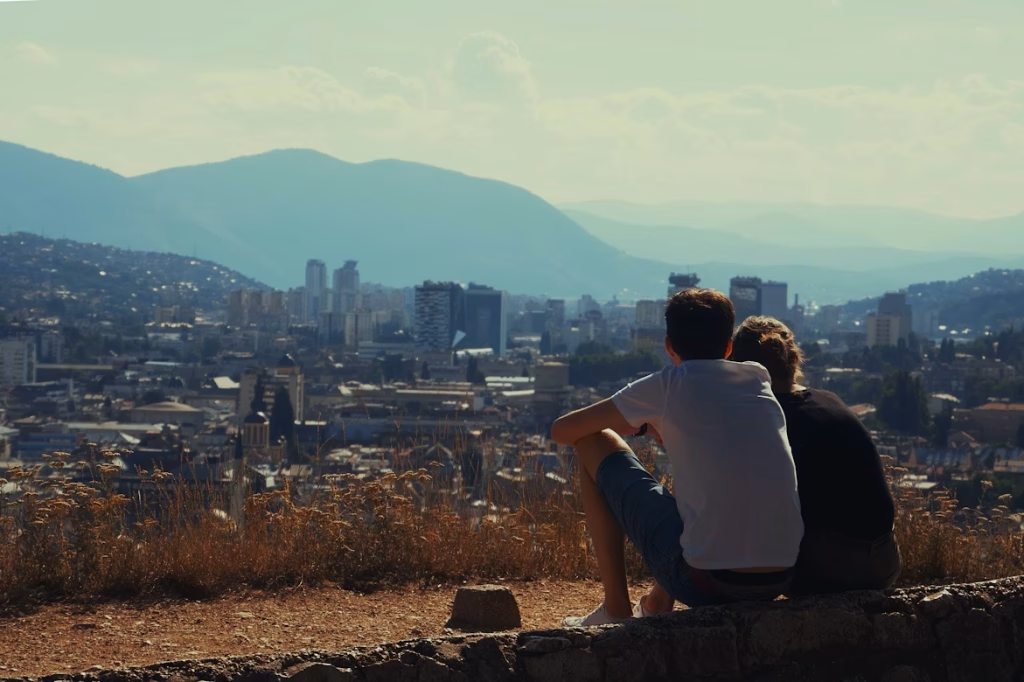
So, what is truly the best time to visit Sarajevo?
For most travelers, the answer is May, June, or September. These months consistently deliver comfortable temperatures, manageable crowds, and reasonable prices. They represent the ideal balance between energy and calm.
However, Sarajevo is not a one-season destination. Winter offers snow-covered charm and ski access. Summer brings cultural festivals and lively evenings. Autumn provides quiet beauty. Even the colder months reveal an authentic, slower rhythm.
The best time to visit Sarajevo ultimately depends on your priorities. If you align your expectations with the city’s seasonal personality, you will experience a destination that feels layered, genuine, and unforgettable.