What souvenirs to buy in Malta
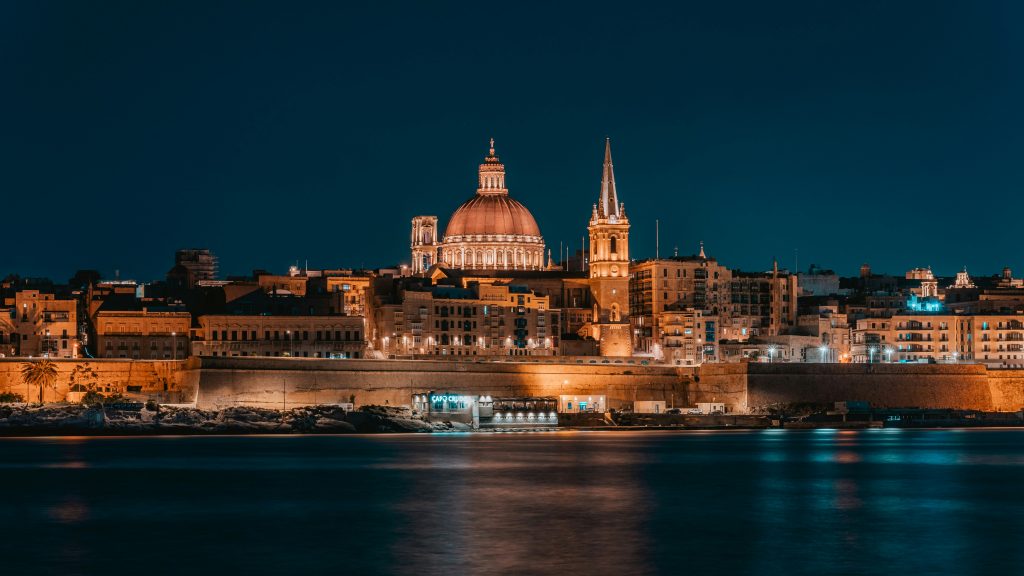
Malta is one of those places where you want to bring back not just another fridge magnet, but something genuinely nice: tasty, beautiful, or useful. But there’s a catch: tourist streets are full of look-alike shops where “handmade” sometimes turns out to be ordinary imports, and the prices feel like they come with the sea view. So what is actually worth buying in Malta? From food and drinks to crafts and small gifts. Plus quick tips on where to look, how to spot decent quality, and how to get everything home in one piece.
Cheat Sheet: What to Bring Back from Malta
Best edible souvenirs
- Ġbejna cheese — local sheep/goat cheeselets (there are fresh and aged versions). This is one of Malta’s most recognizable products and a good “tasty souvenir” option.
- Maltese honey (often thyme honey) — an easy, straightforward gift; it keeps well and handles the trip fine.
- Qubbajt (Maltese nougat) — an almond sweet; it’s convenient to buy in boxes and give in small portions.
Best “things” (crafts/jewelry)
- Filigree jewelry — fine metalwork, a traditional Maltese choice that’s “not tourist plastic,” if you buy it from proper jewelers.
- Maltese lace and textiles — small doilies, runners, and décor details. It’s better to choose places where the origin and quality are clear.
Best gift for colleagues
- Nougat/cookies in small packs — easy to take and convenient to hand out.
- Mini jars of honey or herb salt — compact, looks neat, suits most people.
Best inexpensive souvenir
- Sea salt (including herb-infused) — cheap, light, not fragile, and actually gets used.
What to buy on the last day / at the airport
- Sweets and honey in gift boxes — a “on the go” option when there’s almost no time.
- Liqueurs/wine — convenient to buy in duty free because of the liquid rules, but often with a markup.
What’s better not to buy
- “Handmade” with no labeling and no clear origin — in tourist areas you often run into items that aren’t locally made.
What Souvenirs to Buy in Malta
1. Ġbejna cheese
Traditional sheep/goat cheeselets — one of Malta’s most recognizable flavors.
Approx. price: medium.
Where to buy: Ta’ Mena Estate, Is-Suq tal-Belt.
How to pack: better in checked luggage. If it’s in oil — double-pack it (bag/sealed pouch) so it doesn’t leak.
2. Maltese honey (often thyme honey)
A straightforward “local” product, keeps well and is easy to gift.
Approx. price: medium.
Where to buy: Ta’ Mena Estate, Is-Suq tal-Belt, Il-Monti Sunday Market.
How to pack: checked luggage is safer (glass + risk of cracking/leaking). Put the jar in a bag and wrap it in a “soft layer” of clothes.
3. Qubbajt (Maltese nougat)
A classic almond sweet.
Approx. price: cheap–medium.
Where to buy: Beehive Confectionery — a producer of traditional Maltese sweets/nougat.
How to pack: carry-on or checked luggage. The main thing is not to crush the packaging and not to leave it against the suitcase wall in the heat.
4. Filigree jewelry (silver/gold)
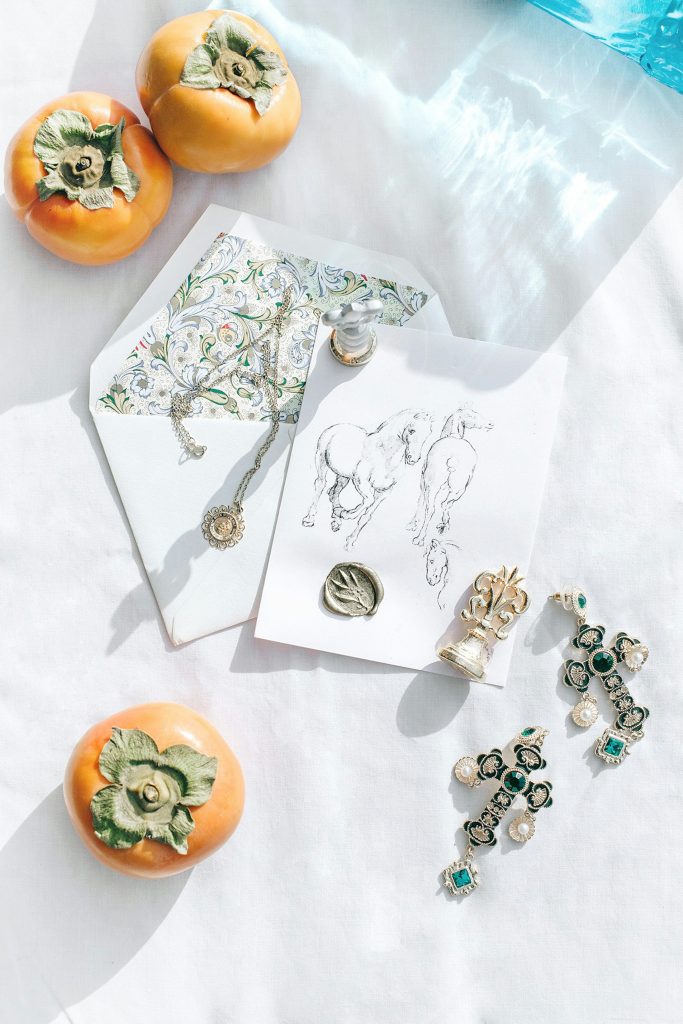
Filigree is a noticeable Maltese tradition: fine work that looks very impressive.
Approx. price: medium-expensive / expensive.
Where to buy: Ta’ Qali Artisan Village, Silverlace Creations, The Silversmith’s Shop.
How to pack: carry-on only (safer and less risk of loss). Box + receipt/hallmark.
Edible souvenirs:
1. Kunserva Ħelwa (sweet tomato paste)
It’s not just regular tomato paste — people often buy it specifically as a local thing “for Maltese bread”.
How to store/pack: it’s better to put the jar/tube in checked luggage, into a sealed bag (just in case it leaks) and with some soft protection around it.
2. Ħelwa tat-Tork (Maltese halva)
This is something that’s often described as Malta’s version of halva: dense, sweet, slightly crumbly, with a strong sesame-nut flavor. The base is usually tahini (sesame paste) + sugar syrup, and vanilla and nuts are often added (the classic is whole almonds, but there are also versions with pistachios).
How to store/pack: very convenient — it doesn’t leak, doesn’t crumble too badly, and you can take it in carry-on.
3. Zalzett tal-Malti (Maltese sausage)
This is a traditional fresh Maltese pork sausage, made from chopped/ground pork with fat and a very distinctive spice mix: coriander (seeds), black pepper, garlic, sea salt, sometimes parsley is added.
How to store/pack: buy it vacuum-packed and put it in checked luggage; it’s perishable, so only if the trip is short and you’re confident about storage.
Gozo capers
On Gozo, capers are genuinely part of the local cuisine, and they’re often pickled/salted with local sea salt. Because of the climate and the way the caper plant grows “on its own” on rocks and walls, the taste of local capers is often described as brighter and more distinctive.
How to store/pack: if they’re in vinegar/brine — checked luggage, a sealed bag, and protection against leaks.
Unusual Maltese drinks
1. Kinnie
A bittersweet soda made with bitter oranges and herbs — a flavor that doesn’t taste like regular lemonades. Most often it’s drunk cold with ice and an orange slice, and on the island mixes of Kinnie with alcohol are also popular as a simple long drink.
How to pack: checked luggage; protect cans/bottles from dents.
2. Wines from local varieties Girgentina and Ġellewża
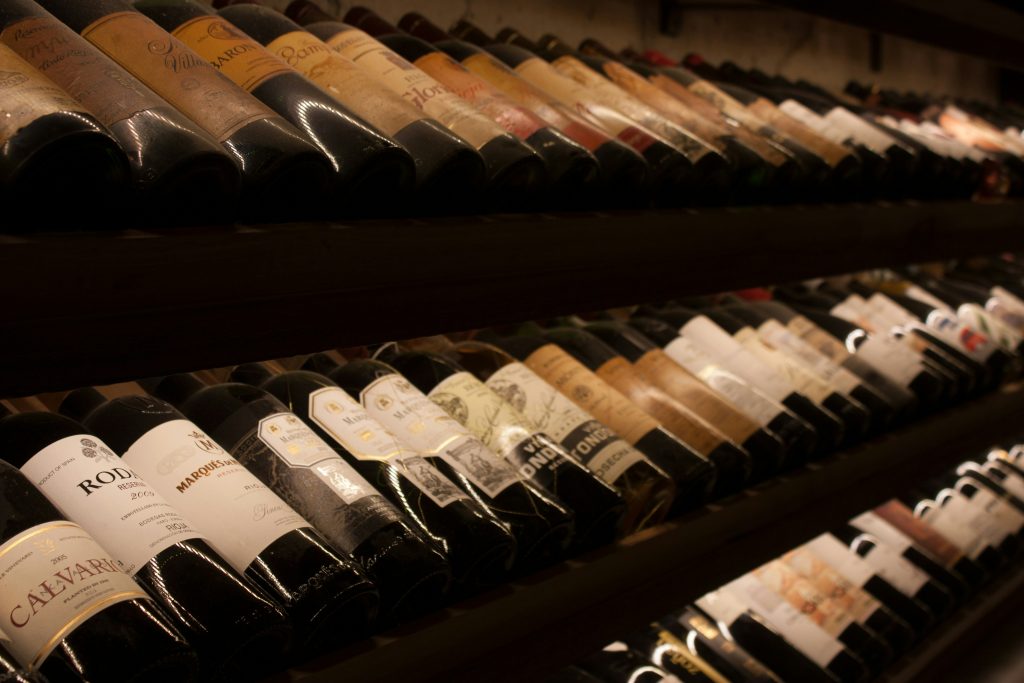
These are the key indigenous varieties that most clearly set Maltese wine apart from European ones. Girgentina usually makes light, fresh whites, and Ġellewża — fruity reds/rosés, so it’s convenient to buy them “as a pair” for comparison.
How to pack: checked luggage; sealed bag + the center of the suitcase.
3. Bajtra (prickly pear liqueur)
One of the most recognizable Maltese liqueurs — a sweet, fruity profile from prickly pear. It’s usually drunk chilled or added to cocktails, and for a souvenir it’s best to buy a bottle in a box.
How to pack: checked luggage; sealed bag.
4. Ħarruba (carob liqueur)
A rare flavor based on the carob tree, with warm “cocoa-caramel” notes — a very island thing. It’s often seen as a “dessert” liqueur — great after dinner or with coffee.
How to pack: checked luggage; sealed bag.
Handmade and traditional crafts:
1. Hand-blown glass
The most recognizable Maltese glass souvenir — bright colors, handmade work.
How to pack: checked luggage. Ask for a box/bubble wrap; if there’s no packaging, wrap it in bubble wrap or thick clothing, put it in the center of the suitcase, away from bottles/jars.
2. Silver filigree
Fine metal jewelry work — basically Malta’s “signature thing”.
How to pack: carry-on (the best option). Keep it in a box/pouch, separate from keys and your toiletries bag; keep the receipt/tags nearby.
3. Bizzilla / Gozo lace (Maltese lace)
A local lace tradition — beautiful doilies, runners, small décor pieces.
How to pack: carry-on is better (so it doesn’t get creased), but checked luggage works too. Pack it in a folder/envelope or between two layers of thick fabric so it won’t get bent.
4. Ceramics/decor
A practical home souvenir — if it’s really not “mass imported”.
How to pack: checked luggage. The main risk is chips: wrap each item separately, fill empty space in the box with paper/clothes, and don’t place it against the suitcase wall.
How to tell it’s not a cheap imitation
- A price that’s too low for filigree/lace/glass almost always = mass-produced goods.
- Ask for a receipt, and for jewelry — a hallmark/marking and a clear description of the material.
- For glass, check even thickness, clean edges, no “cloudy bubbles” or rough seams (for hand-blown glass small bubbles can be normal, but the piece shouldn’t look “plastic”).
- For lace, look at how even the pattern is and how neat the finishing is; something that’s too “perfectly identical” is often machine-made.
Beauty and wellness:
1. Fragrances and home scents inspired by Maltese flora (pillow sprays/diffusers/balms)
This is exactly “not a universal perfume”, but lines that are directly tied to Malta (names/notes inspired by local places and plants).
How to pack: sprays/diffusers — in checked luggage; solid balms/candles — you can take in carry-on too, but it’s better to pack them so they don’t get crushed and don’t leak in the heat.
2. Local “natural” soaps
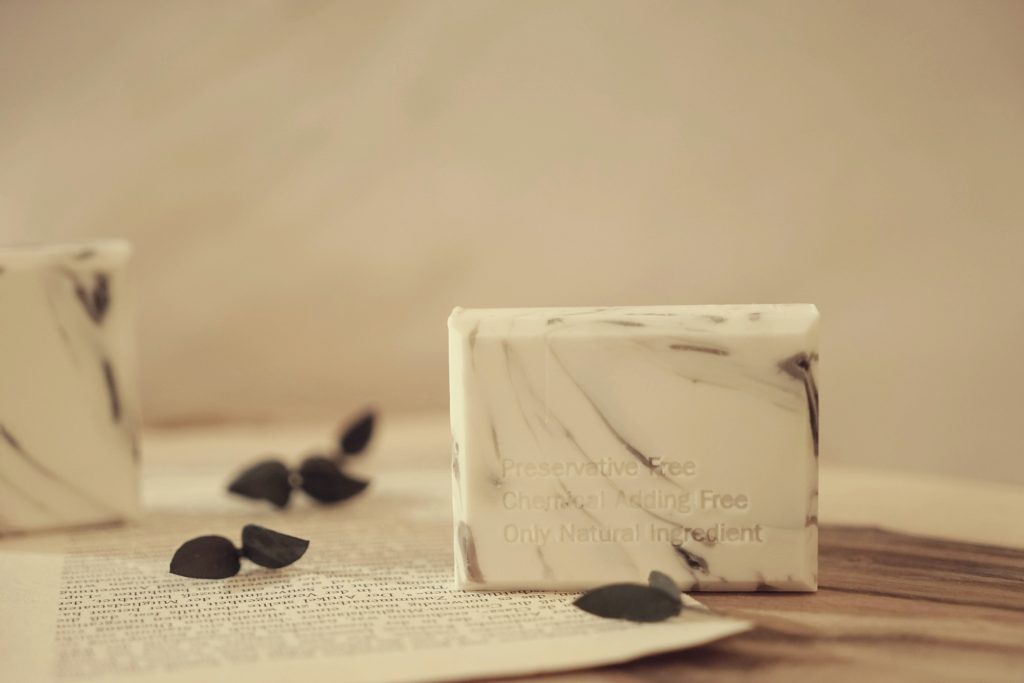
In Malta there are small craft projects that use local oils/herbs and make small batches.
How to pack: solid soap is ideal for carry-on; wrap it in paper/a bag so the scent doesn’t soak into your clothes.
3. Beeswax lip balm
Compact and universal skincare that actually gets used; a good small-gift option.
How to pack: solid balm — carry-on is fine; if it’s in a jar/tin — better to put it in a small bag so it doesn’t stain things, and don’t keep it in the heat.
Gifts for different people
Gifts for family
- Ġbejna (Maltese cheeselets) — if your family likes food souvenirs.
- Gozo capers — easy to use at home “for dinners”.
- Ħelwa tat-Tork — for tea/coffee; keeps for a long time.
- Hand-blown Maltese glassware — a small “home” item to remember the trip by.
- Maltese filigree jewellery (silver/gold filigree) — you can pick a pendant/earrings.
For friends
- Kinnie — an unusual taste, great “to try”.
- Bajtra (prickly pear liqueur) — if your friends like local alcohol.
- Qubbajt (Maltese nougat) — easy to share with a group.
- Xwejni sea salt (Gozo sea salt from the salt pans) — compact and no travel risks.
- Luzzu miniature (traditional Maltese fishing boat souvenir) — if you want something non-edible.
For colleagues
- Ħelwa tat-Tork (Maltese sesame halva) — easy to hand out in small portions.
- Qubbajt (Maltese nougat, mini packs) — “for coffee at work”.
- Maltese sea salt (sea salt / herb salt) — looks neat and everyone gets it.
- Local small-batch soap (handmade Maltese soap) — compact and universal.
- Solid perfume / balm (solid fragrance balm / travel solid) — if you want “not food”.
For kids
- Qubbajt (Maltese nougat) or boxed Maltese sweets (assorted Maltese sweets) — better in a box so it doesn’t crumble.
- Lace bookmark / small textile (Gozo lace / Maltese lace small piece) — light and safe.
- Mini luzzu (traditional Maltese boat mini) — better not glass, so it survives the trip.
- Postcards & sticker set (Malta postcards / sticker pack) — zero travel risks.
Where to buy souvenirs in Malta
1. Markets
Pros: you can find local food “to try”, sometimes you come across interesting small things; atmosphere.
Cons: a lot of tourist stock and imports, quality varies.
Best to buy: sweets in factory packaging, spices/salt, simple products with clear labeling.
Be careful with: “handmade” with no tags/origin, jars in oil/marinade without proper sealing.
2. Specialty shops and delis
Pros: higher chance to buy something truly local, better packaging, easier to choose a gift.
Cons: more expensive than the market.
Best to buy: ġbejna in proper packaging, bigilla/kunserva, capers, gift sets, halva/nougat from decent brands.
3. Supermarkets
Pros: quick and straightforward, normal expiry dates and packaging, good prices.
Cons: fewer “unique” handmade items, part of the selection is standard.
Best to buy: Kinnie, sweets/cookies, honey, salt, packaged pastes/sauces.
4. Workshops and local brands
Pros: the best option for crafts — glass, filigree, lace; you can see it’s not mass imported.
Cons: more expensive and takes time.
Best to buy: Mdina/Valletta glass, filigree jewellery, Gozo lace, “memory” items.
5. Airport and duty free
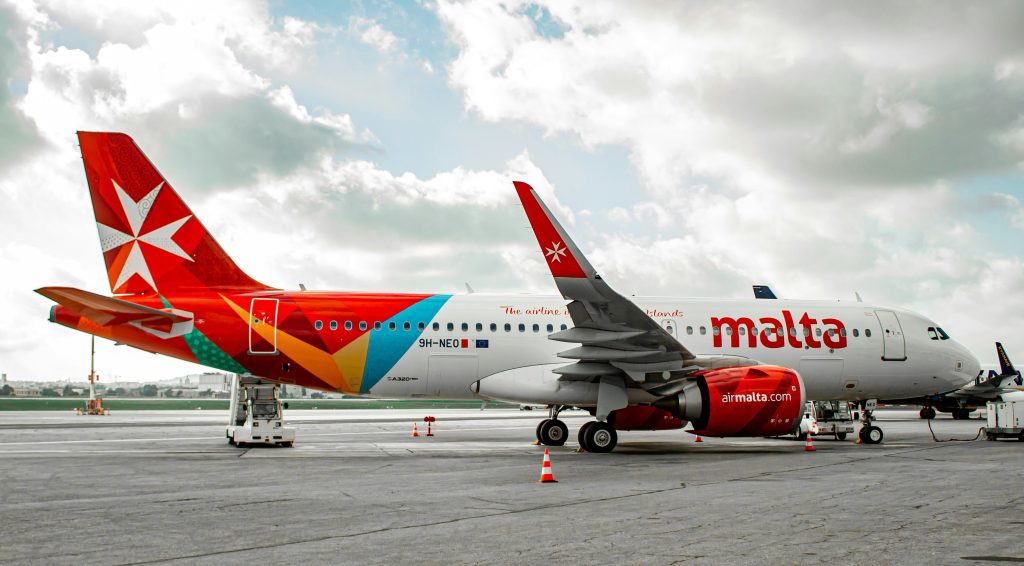
Pros: convenient at the last minute; alcohol is easier with liquid rules (after security).
Cons: often overpriced and less choice of truly local items.
Best to buy: liqueurs (Bajtra, Ħarruba, etc.), wine, chocolate/sweets in boxes.
Not the best choice: “Malta-themed” crafts and “handmade” — there it’s usually pricier and less interesting.
How to choose and not buy junk
- Too cheap for crafts = almost always the wrong thing. Glass, filigree, and lace can’t cost “like a little magnet” — that’s the main marker of an imitation.
- Check the origin: tag/packaging/labeling, where it was made. If “Made in …” has nothing to do with Malta, it’s just imported souvenir stock.
- For food, check the seal. Jars of capers/pastes/products in oil should have no leaks; the lid should have no dents or deformations.
- Always check the best-before date and storage instructions — especially for bigilla/ready-made pastes/meat products.
- Glass and ceramics: look for chips, micro-cracks, and a “rough” edge that can chip quickly. If it’s hand-blown, small bubbles can be normal, but the item shouldn’t look crude.
- Lace/textiles: a pattern that’s too perfect and identical, and a “plastic” stiffness often means machine-made. Handmade items will have natural little nuances, but still be neat.
- Jewelry: ask about the material and hallmark, and get a receipt. If the seller avoids the question or can’t explain what metal/coating it is — better not to buy.
- Be careful with animal products and perishables. Zalzett tal-Malti, fresh cheeses, etc. — only if you’re sure about import rules and that you can transport them in proper conditions.
- Don’t fall for “it’s definitely local” without proof. If something is truly local, it usually has a story/brand/maker/labeling — at least something beyond the seller’s words.
How to pack and bring souvenirs home
What’s better to put in checked luggage
- Liquids: wine, liqueurs, syrups, products in oil/marinade (capers, antipasti).
- Heavy items: stone/carvings, large jars/bottles (so you don’t have to carry them in your hand luggage).
What’s convenient to take in carry-on
- Solid sweets.
- Non-breakable “small stuff”: salt, small wooden/textile souvenirs, lace (better in a folder).
- Jewelry: filigree — it’s safer to keep it with you.
Liquids: how to pack them so they don’t leak
- Put each bottle/jar into a sealed bag or a thick zip bag.
- Add another bag on top (double protection).
- Wrap it in clothes on all sides and place it in the center of the suitcase.
- Don’t put it next to fragile glass without a divider.
Fragile items: glass/ceramics
- Ask for a box and protection (bubble wrap/paper) if they offer it.
- If there’s no packaging: wrap the item in several layers of clothes, and “stuff” any empty space in the box with something soft.
- The riskiest scenario is when the item rattles around in the box — it’s better to pack it so it doesn’t move at all.
Food: so it doesn’t smell or leak
- Jars/pastes — only in a sealed bag (especially anything in oil).
- Sweets — in a box so they don’t get crushed.
- If a product can “give off a smell” (cheese/meat) — extra packaging and it’s better in checked luggage.
What you can’t or shouldn’t bring back
- Liquids without proper packaging: opened bottles/jars, products in oil/marinade without a tightly sealed lid — an almost guaranteed risk of leaks in your suitcase.
- Perishables: fresh cheeses without vacuum packing, ready-made pastes/dips with no clear expiry date, any products that need to be kept cold.
- Meat products (for example, Zalzett tal-Malti): they often fall under import restrictions depending on the destination country; only take them if you’ve definitely checked the rules.
- Plants/seeds/soil: there may be import restrictions, and at security it can also raise extra questions.
- Corals/shells/animal products: if you’re not sure it’s legal, it’s better not to risk it (at the border this is a typical problem category).
- Suspicious “branded” copies: risk of confiscation and fines.
- Very fragile items without packaging: glass/ceramics “just in a little bag” — chips are almost guaranteed.
Note: import rules depend on the country and the airline, so before you fly it’s best to quickly check the current restrictions for meat/dairy/alcohol and liquids.
Malta is one of those places where it’s nice to bring back not a “souvenir just for the sake of it”, but small things that actually end up living in your home. You open a jar of Gozo capers or bigilla, put a cup of coffee next to it and a piece of Ħelwa tat-Tork — and it feels like the trip is still going. That’s why it’s better to choose a few items with real Maltese character: ġbejna, kunserva, local sweets and drinks like Kinnie — all the things you can’t bring back “the same” from just any other country.
And if you want something “for the long run”, let it be one beautiful piece — glass, lace, or filigree — but a good-quality one, not something random. And one small rule for peace of mind: everything liquid and fragile goes in checked luggage and double packaging, and keep the most valuable little things with you. Then what you bring home won’t be just purchases, but warm reminders of the sea, the sun, and Malta.